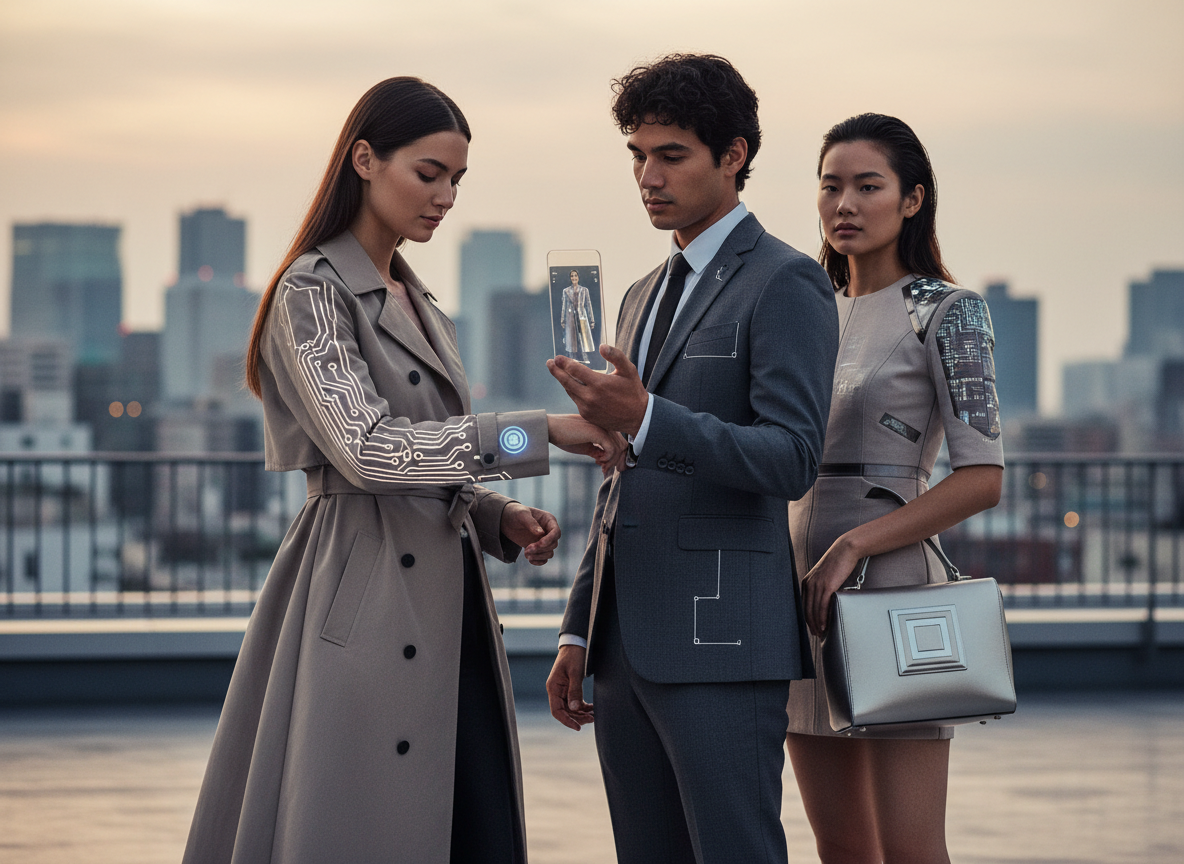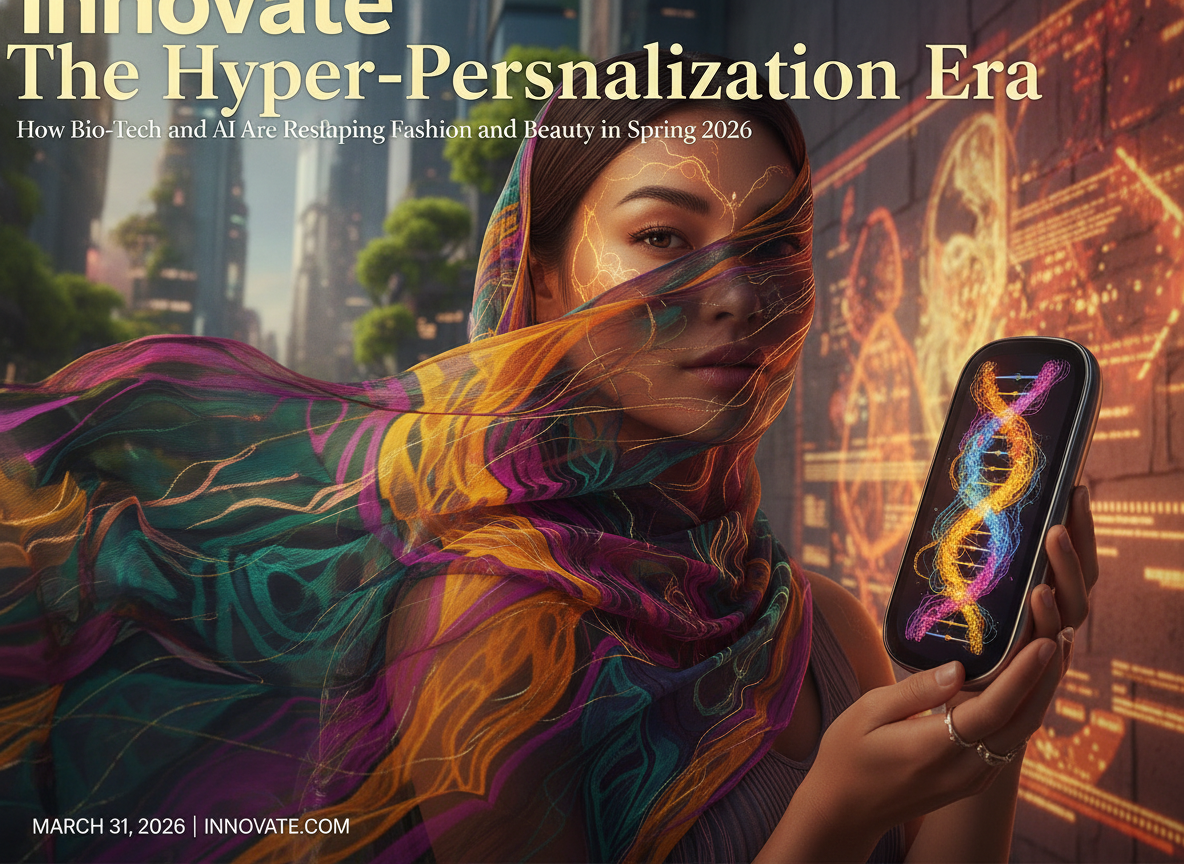
As we close the first quarter of 2026, the global fashion and beauty landscape has moved beyond traditional seasonal cycles toward a model of hyper-personalization and real-time responsiveness. The integration of advanced artificial intelligence with biological manufacturing has reached a tipping point, fundamentally altering how products are conceived, created, and consumed. No longer is luxury defined merely by a brand name; today, it is defined by a product’s ability to adapt to the individual biological and environmental needs of the wearer. This March has seen the commercial debut of 'Adaptive Silks,' fabrics embedded with microbial sensors that adjust their breathability based on the wearer's skin temperature and humidity levels.
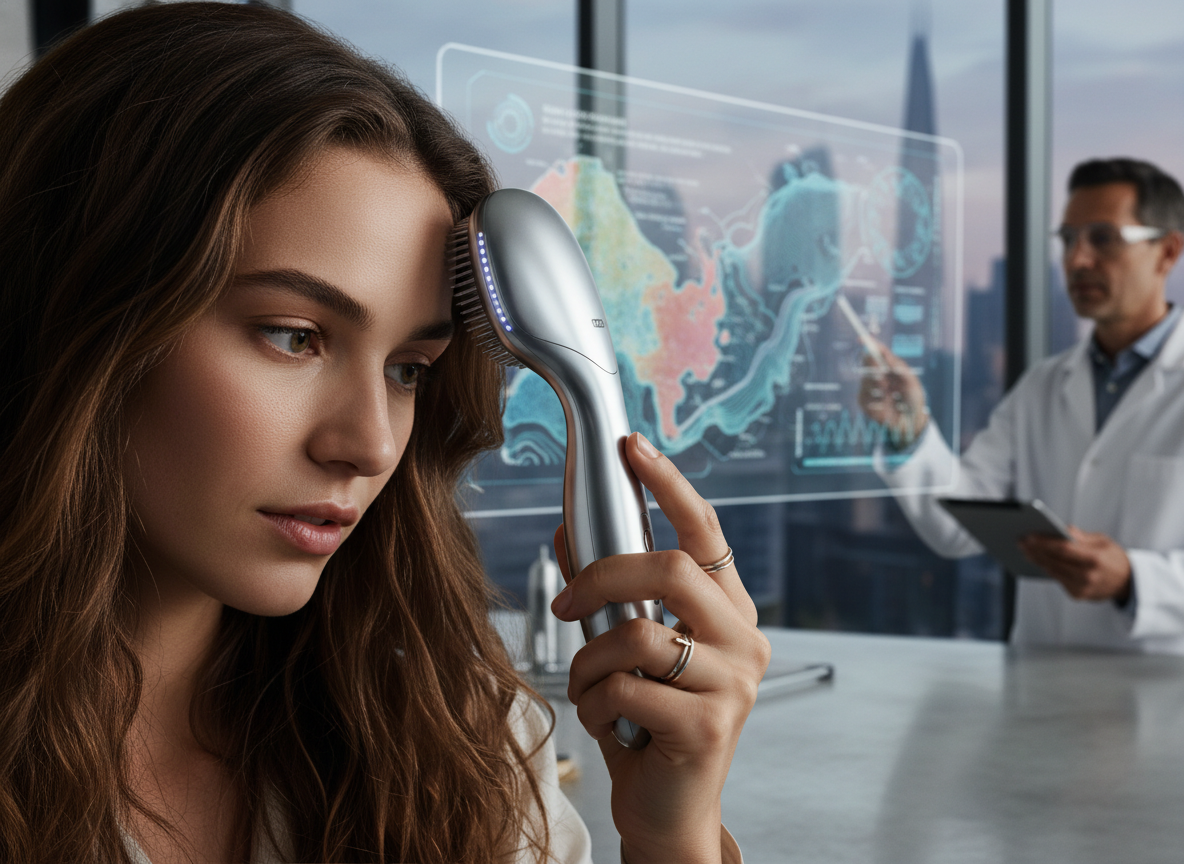
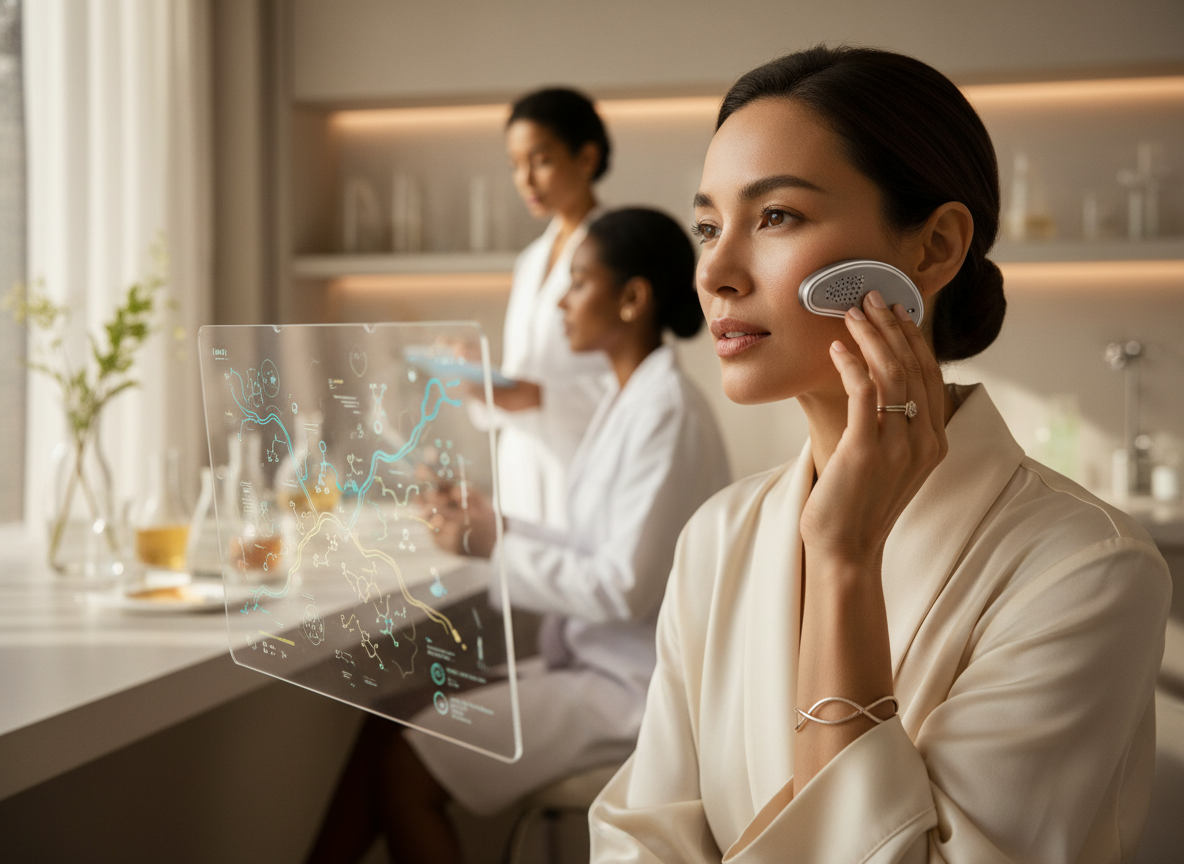
In the realm of beauty, the industry has shifted away from generalized skin types toward 'Genomic Skincare.' As of late March 2026, major luxury conglomerates have launched in-home biometric scanners that analyze a user's DNA and current microbiome status to 3D-print customized serums on a daily basis. This level of precision ensures that active ingredients like retinol or stabilized Vitamin C are delivered at the exact concentration needed for that day's environmental stressors. This 'micro-dosing' approach has drastically reduced product waste and skin irritation, signaling a definitive end to the era of over-the-counter trial and error that dominated the early 2020s.
Sustainability has also evolved from a marketing buzzword into a strictly regulated reality. With the European Union's Digital Product Passport (DPP) mandate entering its second phase this month, every garment sold in 2026 must now feature a blockchain-verified history. Consumers can scan a discreetly embedded NFC chip to view the entire lifecycle of a piece, from the lab-grown mycelium leather vats in Italy to the solar-powered assembly lines in Southeast Asia. This transparency has fostered a new 'Resale-First' mentality, where the secondary market value of a garment is calculated instantly by AI algorithms based on its provenance and condition data recorded on the chain.
The aesthetic trend of 'Fluid Sculpting' has dominated the Spring/Summer 2026 runways in Paris and Milan. This movement leverages 4D-printing technology to create garments that possess 'shape memory.' Designers are moving away from static silhouettes, opting instead for structures that evolve as the wearer moves. These pieces utilize nitinol-infused threads that allow a dress to transition from a structured, architectural form during the day to a soft, draped silhouette for evening wear, triggered by specific light frequencies or heat signatures. It represents a fusion of high-art engineering and wearable utility that was previously restricted to experimental laboratories.
Artificial Intelligence has also revolutionized the retail experience through 'Neural Fitting Rooms.' By March 2026, high-end boutiques have replaced traditional mirrors with high-fidelity holographic interfaces that simulate the 'tactile drape' of clothing on a digital twin of the customer. These systems use predictive modeling to show how a fabric will age over five years or how it will react to different global climates. This technology has seen a 40% reduction in return rates for luxury e-commerce, as customers can now experience the physical weight and texture of a garment through haptic feedback gloves before making a purchase.
On the inclusivity front, the beauty industry has made significant strides with 'Neuro-Cosmetics.' These are products designed specifically for individuals with sensory processing sensitivities, utilizing scentless, non-reactive formulas and ergonomic packaging developed through neuro-mapping. The focus has moved toward 'Calm Beauty,' where products are formulated with synthesized peptides that mimic the skin's natural response to stress, providing a soothing effect that is both psychological and physiological. This holistic approach reflects a broader societal shift toward mental well-being as the ultimate marker of aesthetic health in 2026.
The footwear industry is currently undergoing a 'Bio-Revolutuon' led by the mainstreaming of lab-grown collagen leather. Major athletic brands have released their first fully circular performance sneakers this month, which are designed to be dissolved in a specific enzyme bath at the end of their life cycle, allowing the raw proteins to be harvested and used for the next production run. This 'Cradle-to-Cradle' manufacturing process has eliminated the need for toxic glues and mixed-material components that once made footwear the most difficult category to recycle, proving that high-performance gear does not have to come at an environmental cost.
Looking forward to the remainder of 2026, the convergence of the digital and physical selves continues to accelerate. We are seeing the rise of 'Phygital' twins, where a physical luxury purchase automatically grants the owner a verified digital version for use in high-fidelity spatial computing environments. As we move into April, the focus will likely shift toward 'Atmospheric Fashion'—garments designed to filter urban pollutants and provide a localized 'clean-air' bubble for the wearer. In this brave new world of fashion and beauty, technology is no longer an add-on; it is the very fabric of our identity, providing a seamless interface between our bodies and the rapidly changing world around us.