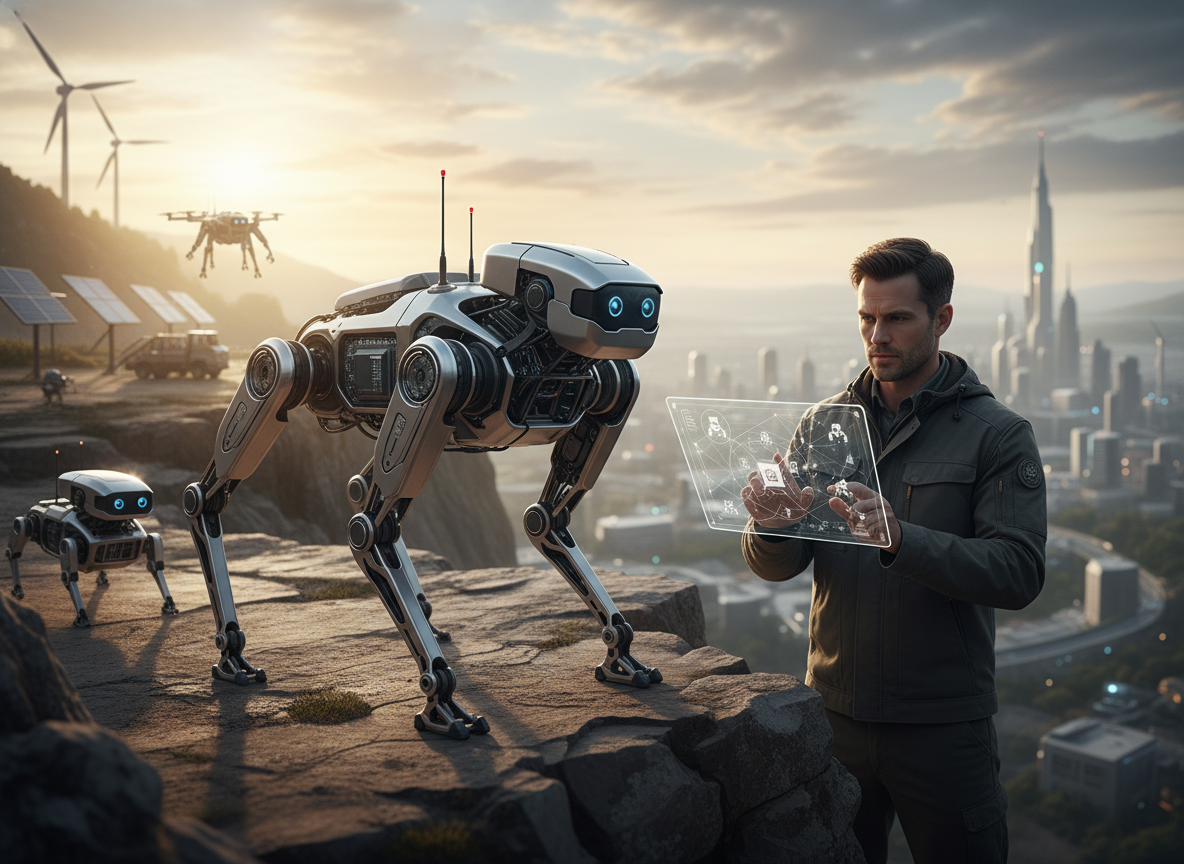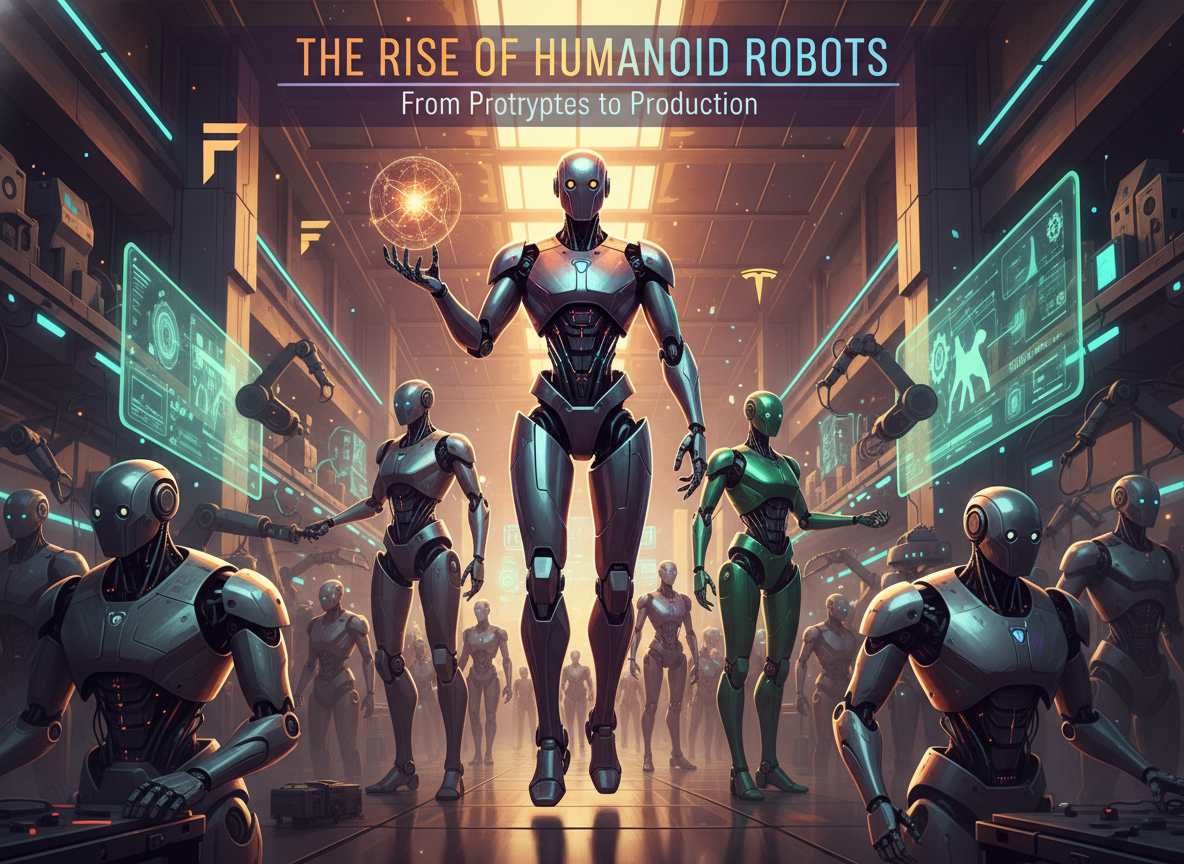
The dream of general-purpose humanoid robots is rapidly becoming a reality. Figure AI recently demonstrated its Figure 02 robot operating autonomously on a BMW assembly line, performing tasks that require high dexterity. Unlike traditional industrial robots bolted to the floor, these humanoids can navigate human-centric environments and use existing tools.
Tesla's Optimus Gen 2 has also shown significant progress, with improved tactile sensing in its fingers and a more fluid gait. Elon Musk has suggested that these robots could eventually cost less than a car, potentially solving labor shortages in dangerous or repetitive industries. The integration of large vision-language models allows these robots to learn tasks by observing humans rather than through rigid programming.
Boston Dynamics joined the fray with its all-electric Atlas, moving away from the hydraulic systems of the past. The new Atlas is stronger and more agile, capable of 360-degree joint rotations that allow for movements impossible for a human. As battery density and AI control systems improve, we are nearing a 'ChatGPT moment' for physical embodiment.