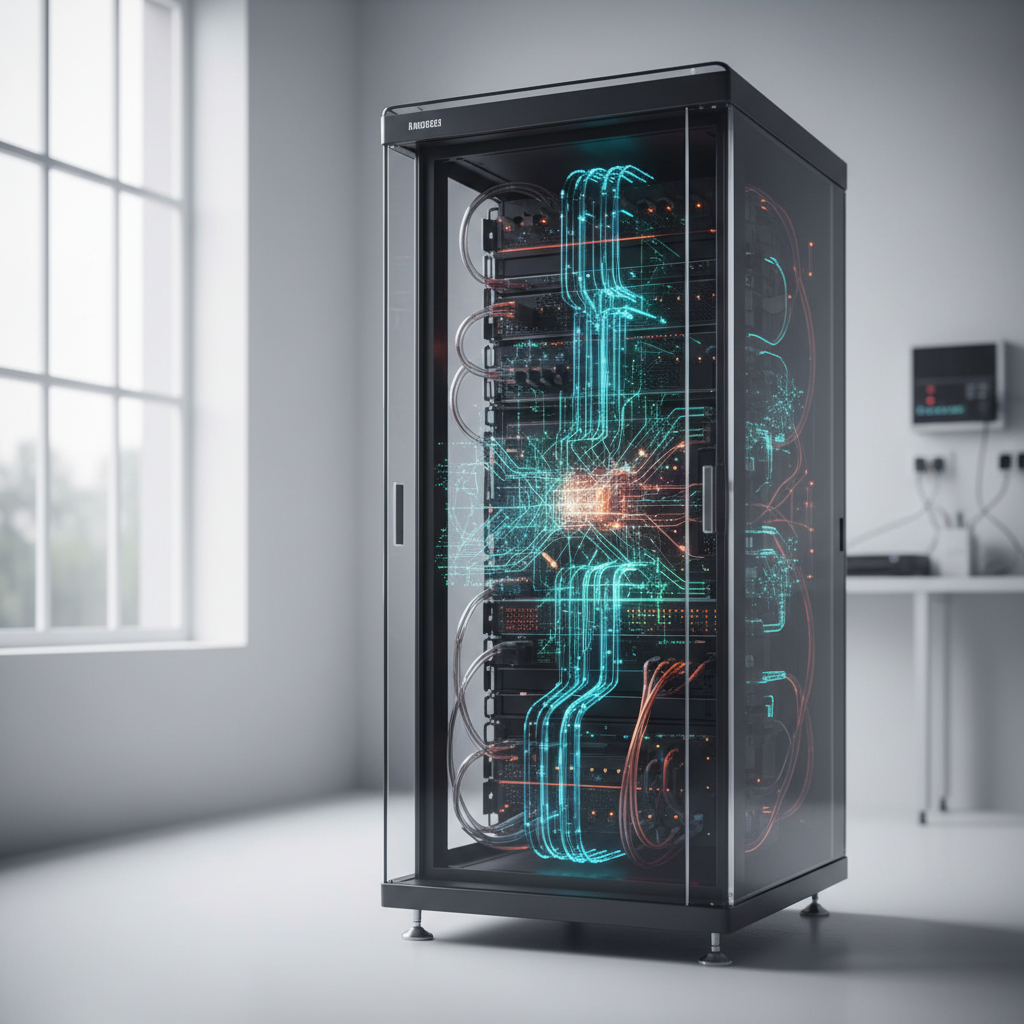
In 2026, the concept of 'passive income' has shifted away from traditional dividend stocks and toward Decentralized Physical Infrastructure Networks (DePIN). These networks allow individuals to earn rewards by contributing their physical resources—such as hard drive space, CPU power, GPS data, or even specialized sensor readings—to a global, decentralized grid. It is the 'Uber-ization' of infrastructure, and it's becoming a primary income stream for tech-savvy side hustlers.
The most successful DePIN project of the year is the 'Global AI Compute Grid.' With the insatiable demand for AI training power, individuals are earning significant tokens by allowing their idle GPU (Graphics Processing Unit) power to be used for model training during the night. Software like 'ComputeShare' automatically detects when a computer is not in use and contributes its power to a decentralized pool, rewarding the owner in liquid crypto-tokens that can be swapped for stablecoins.
Another major player is the 'Decentralized Weather and Mapping Network.' By installing a small, low-power sensor on their balcony or roof, users contribute hyper-local climate and atmospheric data to a global database used by researchers and insurance companies. In 2026, these micro-contributions add up; a well-placed sensor can earn the equivalent of $50 to $150 per month with zero ongoing effort after the initial 10-minute setup.
Connectivity sharing is also hitting its stride. The evolution of the Helium network now includes '5G Micro-Cells' that individuals can host in high-traffic urban areas. As the world moves toward 6G testing, these decentralized cells provide the necessary density for high-speed coverage. Owners earn a 'Relay Fee' every time a device connects to the internet through their hardware. For those living in dense cities, this has become a very reliable monthly payout.
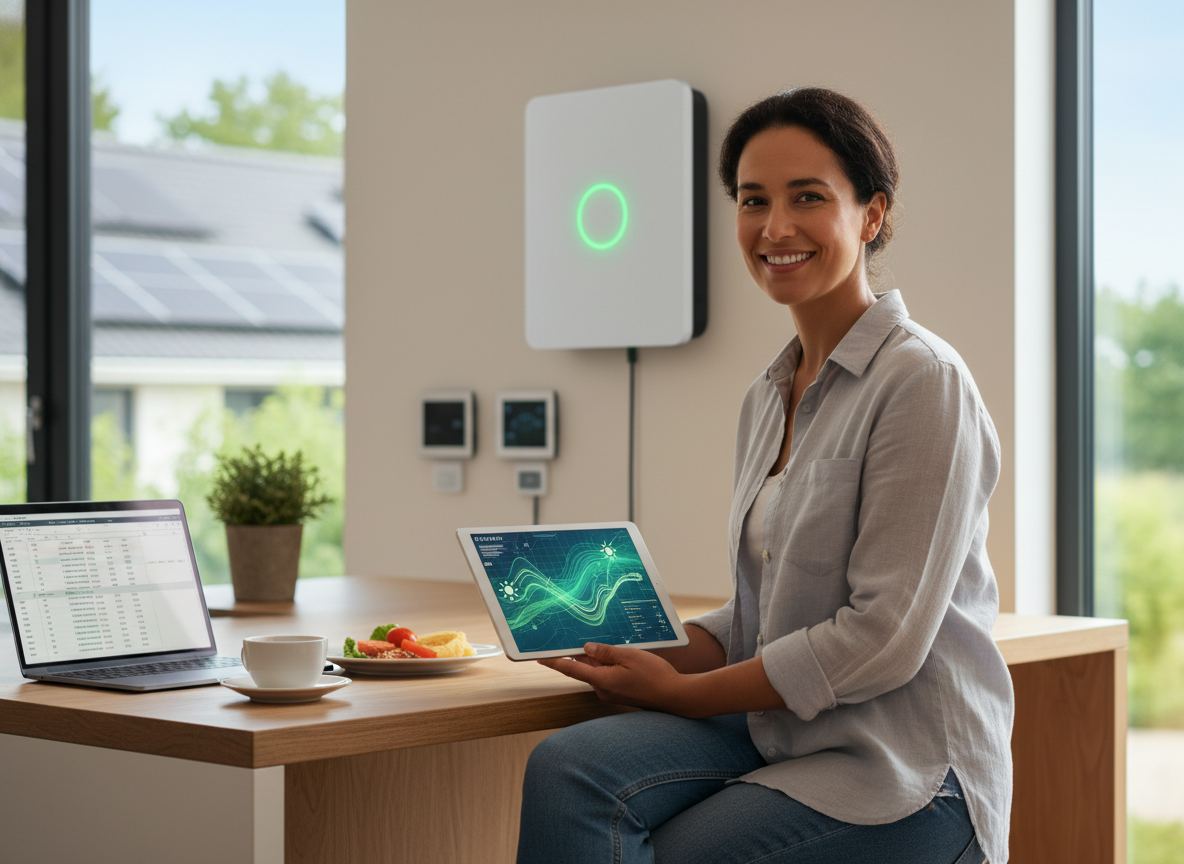
The beauty of DePIN in 2026 is its 'set-and-forget' nature. Unlike the crypto mining crazes of the past, modern DePIN hardware is designed to be energy-efficient and quiet. Many devices are no larger than a Wi-Fi router and consume less power than a standard LED light bulb. This makes them suitable for any home or apartment, democratizing access to infrastructure-based earning.
Data privacy is a core pillar of the 2026 DePIN ecosystem. Through 'Zero-Knowledge Proofs,' these networks can verify that you provided valid data or compute power without ever seeing your personal files or identifying information. This has eased the concerns of mainstream users, leading to a massive influx of participants and, consequently, more liquidity and value in the reward tokens.
For the strategic side hustler, the 'Multi-Node' strategy is the way to go. By running several different DePIN nodes—one for compute, one for storage, and one for environmental data—users can diversify their passive income streams. Most of these devices can be managed from a single mobile app, allowing for real-time monitoring of earnings and hardware health from anywhere in the world.
While the initial hardware costs can range from $200 to $1,000, the 'payback period' in 2026 has shortened considerably due to high corporate demand for decentralized services. Most users see a full return on their investment within 4 to 6 months. As we move deeper into the decade, DePIN is proving to be a foundational element of the digital economy, rewarding the 'crowd' for building the backbone of the internet.