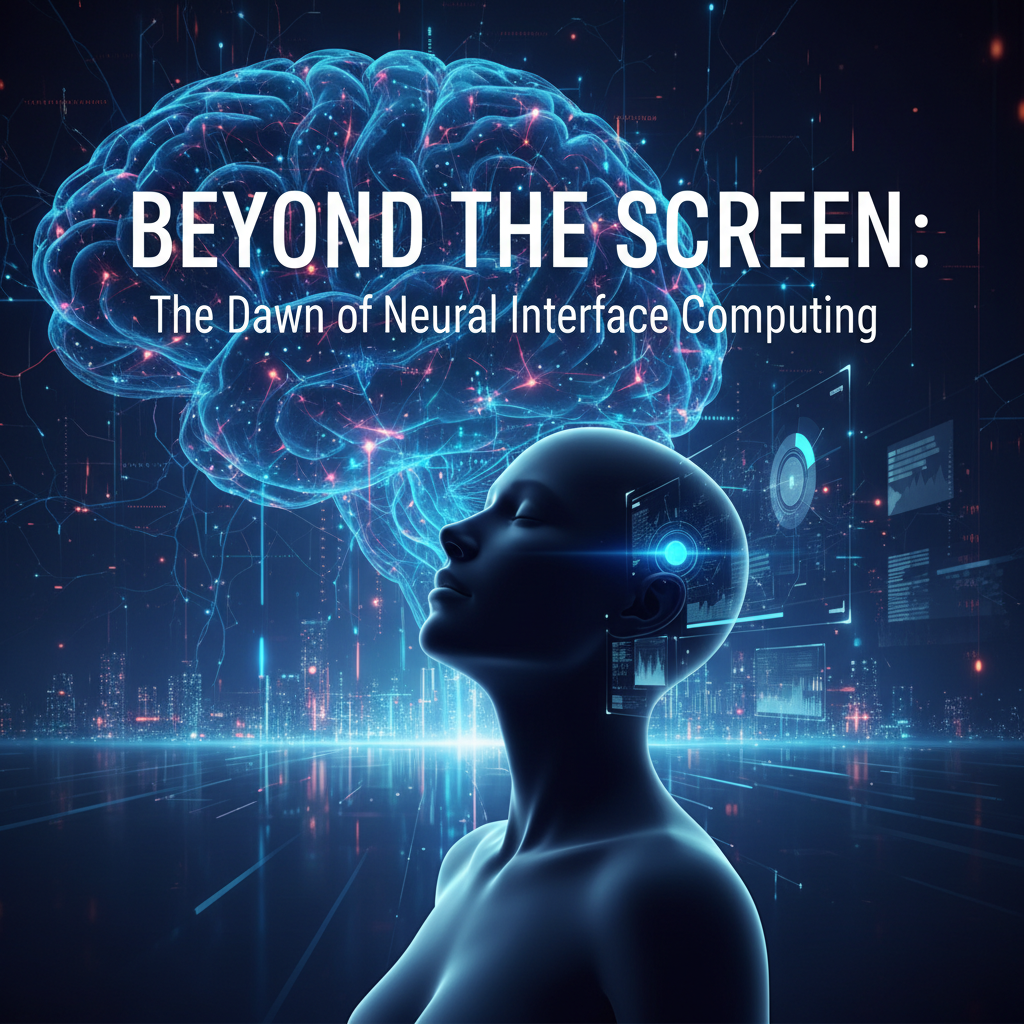
The digital revolution is entering its most intimate phase yet. For decades, our interaction with machines has been mediated through physical peripherals—keyboards, mice, and touchscreens. However, as we approach the mid-2020s, the boundary between biological intent and digital execution is rapidly dissolving. Neural interface computing, once the province of science fiction, is transitioning into a consumer reality that promises to redefine the human experience.
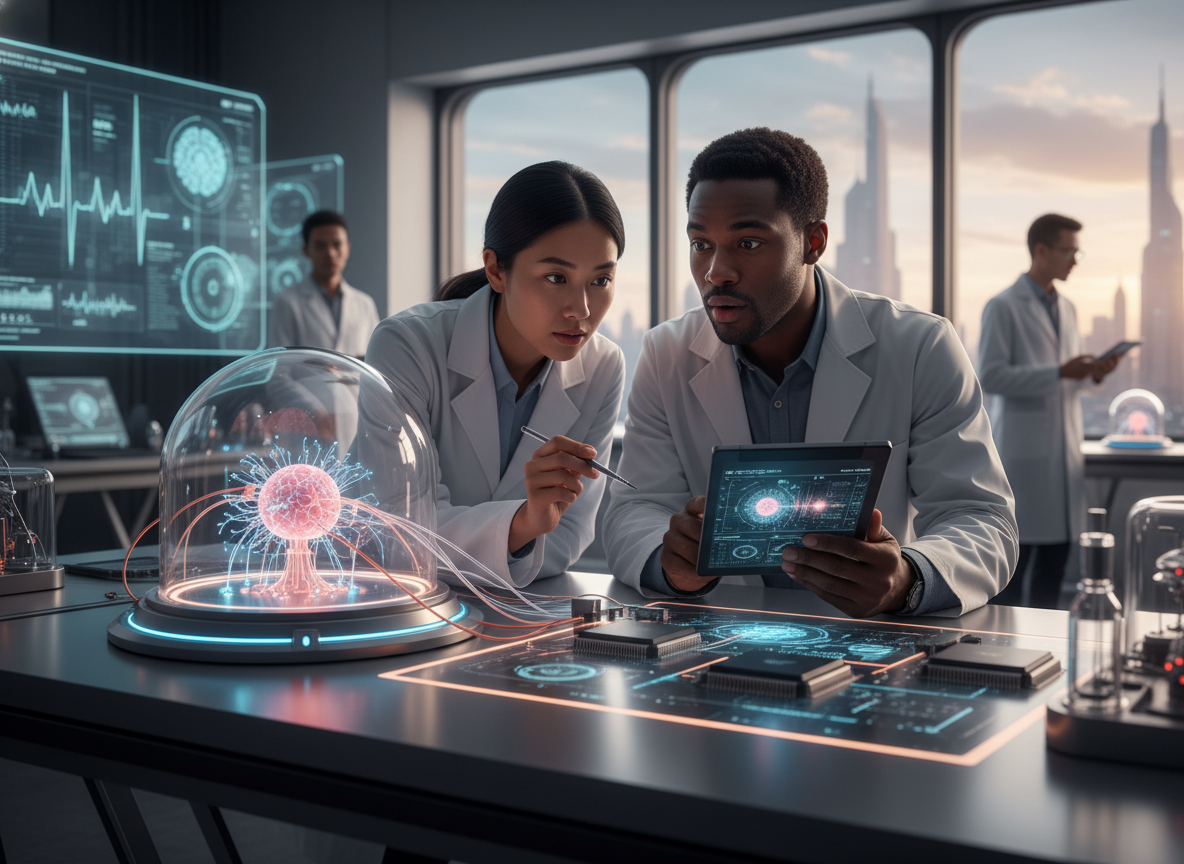
At the heart of this shift is the development of high-fidelity, non-invasive brain-computer interfaces (BCIs). Unlike the surgical implants pioneered by companies like Neuralink for clinical use, these new consumer-grade devices utilize advanced EEG and fNIRS sensors embedded in stylish headwear or even earbuds. By interpreting neural oscillations and blood oxygenation levels in the motor cortex, these devices allow users to navigate virtual environments and control smart home systems through thought alone.
The implications for immersive experiences are staggering. In the realm of spatial computing, the latency between 'thinking' an action and seeing it manifest in a 3D environment is being reduced to milliseconds. This creates a state of 'cognitive flow' where the technology becomes an extension of the self. Beyond gaming, this tech offers unprecedented accessibility for individuals with mobility impairments, restoring autonomy through direct neural control of assistive technologies.
However, this brave new world brings significant ethical challenges. The concept of 'cognitive privacy' has become a central pillar of tech policy debates. As we grant devices access to our neural data, the risk of 'brain-harvesting'—the unauthorized collection of subconscious preferences or emotional states—grows. Establishing robust encryption standards for neural telemetry and 'neurorights' frameworks will be essential to ensure that this technology serves humanity rather than exploiting it.
As we look toward 2030, the trajectory is clear: the most powerful interface is the one we were born with. The transition from 'searching' for information to 'recalling' it via a neural link will likely be the most significant leap in human productivity since the invention of the internet. We are no longer just using tools; we are merging with them.