As of today, April 7, 2026, a paradigm shift in data ownership has reached its tipping point, creating a brand-new category of passive income: Personal Data-as-a-Service (PDaaS). Following the widespread adoption of the 'MyData-MyMoney' protocols late last year, individuals are no longer giving away their digital footprints for free to tech giants. Instead, they are utilizing secure, encrypted 'Data Vaults' to selectively license their information to researchers, marketers, and AI training companies for significant monthly payouts.
The mechanics of this side hustle are remarkably simple yet technologically advanced. By installing verified data-tracking nodes on their devices, users can aggregate their shopping habits, biometric data from wearables, and even their streaming preferences into a decentralized ledger. Companies looking for high-quality, consented data for their R&D departments now bid on these anonymized data packets through automated marketplaces, ensuring the user remains in control and gets paid instantly in stablecoins.
What makes this trend particularly relevant this April is the launch of the 'Health-to-Wealth' initiative by a consortium of pharmaceutical giants. Users who share their anonymized health metrics—collected from smart rings and glucose monitors—are seeing average earnings of $150 to $400 per month. This is not just 'coffee money'; for many in the gig economy, this represents a fundamental shift toward truly passive revenue that requires zero active labor once the initial setup is complete.
Privacy concerns, which were the primary hurdle in years past, have been addressed through Zero-Knowledge Proofs (ZKPs). As of 2026, ZKP technology allows companies to verify that a data point is true (e.g., 'this user is a 30-year-old male who buys organic coffee') without actually seeing the user's identity. This technological breakthrough has satisfied both the strict privacy advocates and the corporations needing data, leading to an explosion in the value of verified individual datasets.
The marketplace for this data is becoming increasingly specialized. We are seeing the rise of 'Data Cooperatives,' where groups of people with similar habits or demographics pool their data to negotiate better rates. For example, a group of 5,000 electric vehicle owners can sell their joint charging and driving data to urban planners for a much higher premium than an individual could alone. Side hustlers are now acting as 'Data Pool Managers,' organizing these groups and taking a commission on the total yield.
Furthermore, the integration of AI-driven 'Data Curators' has helped individuals maximize their earnings. These personal AI assistants scan your digital life and suggest which data points are currently trending or in high demand. If a major fashion brand is looking for insights into Gen Z's sustainable footwear choices this week, your curator will notify you to unlock that specific segment of your vault for a limited-time bonus payout.
Economic experts are calling this the 'Democratization of Big Data.' In the past, the value of data was captured entirely by the platforms that facilitated the interaction. In 2026, the value is being redistributed to the source: the consumer. This has created a more equitable digital economy where personal information is treated as a tangible asset, much like real estate or stocks, that can be leveraged for financial gain without sacrificing personal security.
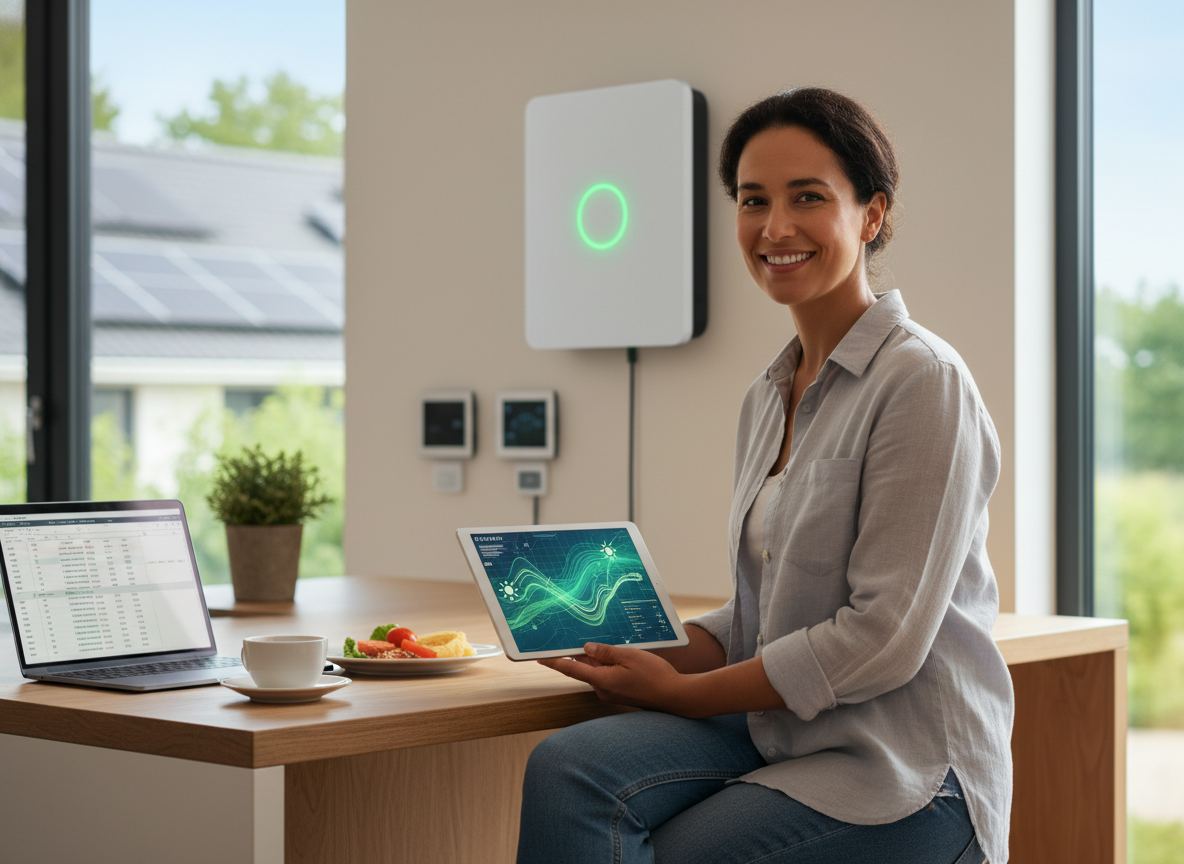
As we look forward to the rest of 2026, the potential for PDaaS is staggering. With the upcoming integration of 'Smart Home Data'—where your refrigerator and thermostat contribute to your earnings—the average household could potentially cover their utility bills solely through data licensing. For anyone looking for a modern side hustle, setting up a Personal Data Vault is no longer a futuristic concept; it is a vital financial strategy in the age of information sovereignty.