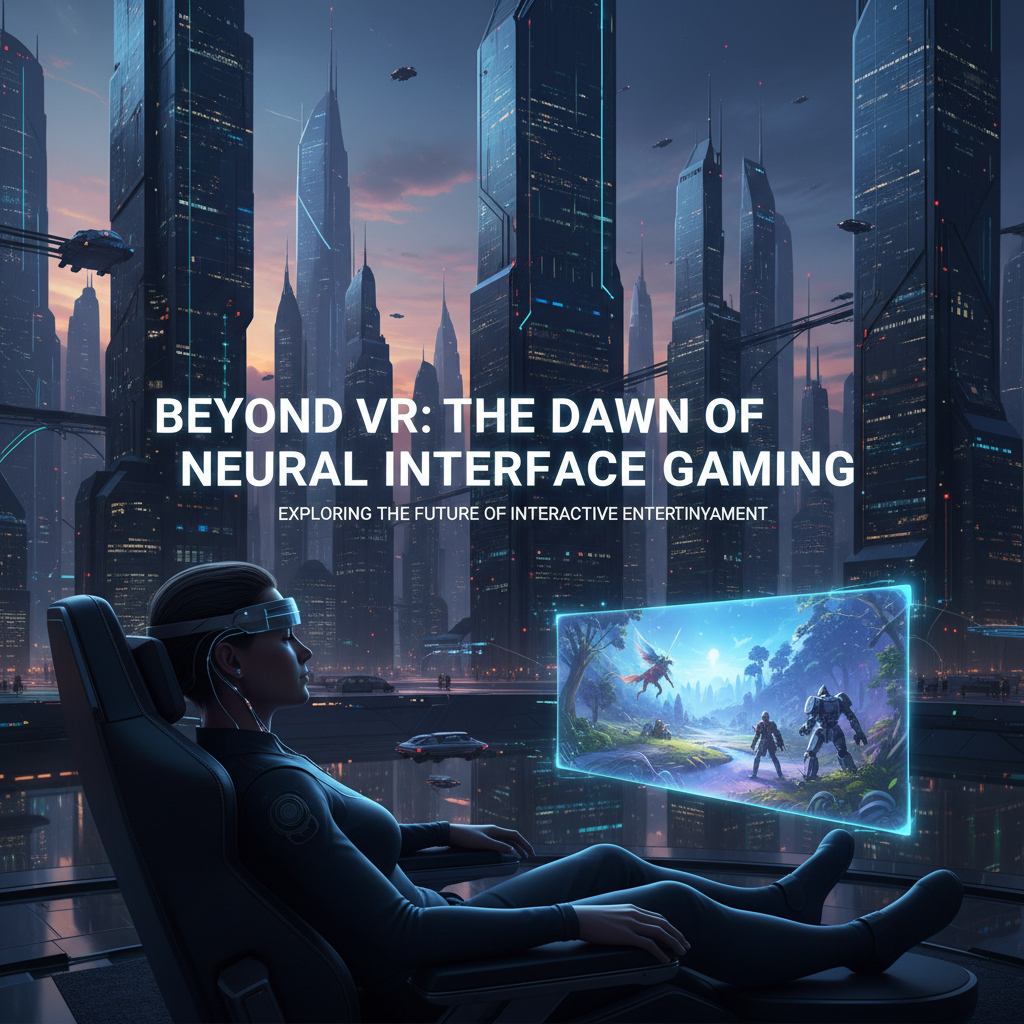
The era of bulky headsets and handheld controllers is rapidly giving way to a more direct form of connection. Neural Interface Gaming (NIG) is no longer a concept confined to science fiction; it is the next logical step in the evolution of immersive experiences. By utilizing non-invasive brain-computer interfaces (BCIs), developers are now able to translate cognitive intent directly into in-game actions, effectively removing the latency of physical input.
One of the most significant breakthroughs in this field involves the use of high-resolution electroencephalography (EEG) combined with machine learning algorithms. These systems can now distinguish between complex mental commands, allowing players to move characters, cast spells, or navigate menus simply by thinking. This shift is not just about convenience; it is about deep immersion, where the boundary between the user's consciousness and the digital environment begins to blur.
Beyond input, we are seeing the rise of bidirectional neural feedback. This technology allows the game to 'talk back' to the player's brain, simulating sensations like texture, temperature, and spatial awareness. Imagine feeling the gentle resistance of a virtual wind or the specific weight of an item in your inventory without any physical haptic suit. This sensory integration is what truly defines the 'beyond VR' experience, creating a presence that feels indistinguishable from reality.
However, this technological leap brings a new set of ethical and security challenges. The privacy of 'brain data' is a paramount concern, as neural patterns can reveal much more about an individual than simple button presses ever could. As we move toward a world where our thoughts are bridged with the cloud, the industry must establish rigorous standards for data encryption and user consent to ensure that the future of gaming remains both safe and exhilarating.