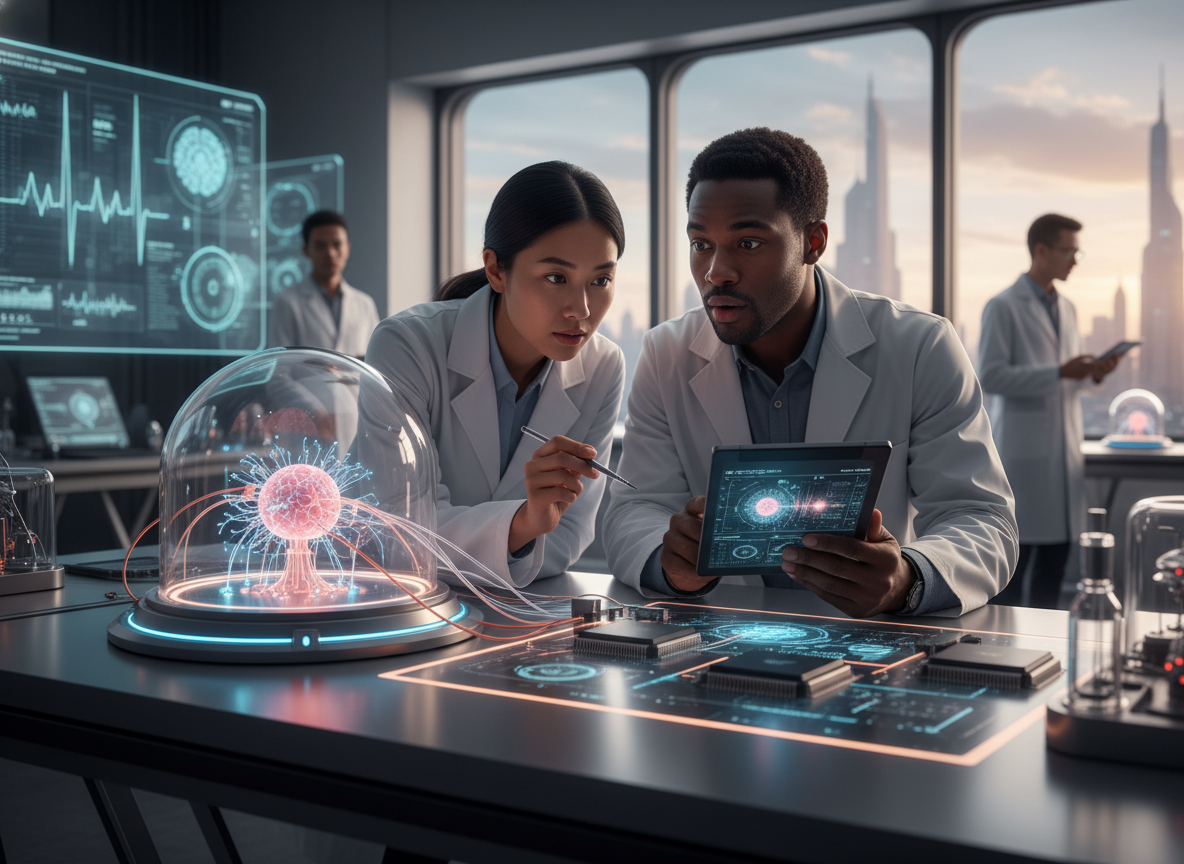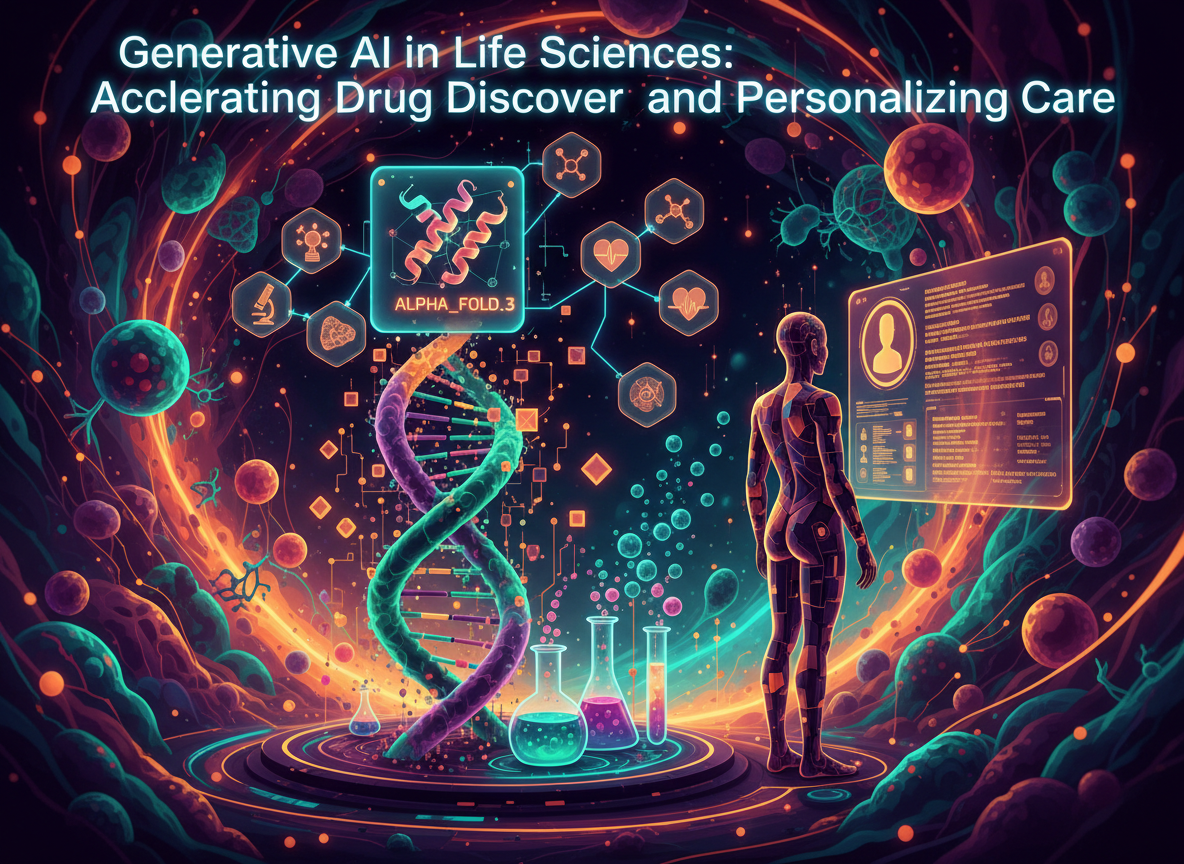
The intersection of artificial intelligence and biological science is perhaps the most consequential technological frontier of our time. Generative AI is not just helping us write emails; it is helping us decode the very building blocks of life. In the pharmaceutical industry, where the development of a single drug can take over a decade and cost billions of dollars, AI is being used to compress these timelines and increase the success rate of clinical trials.
Google DeepMind’s AlphaFold 3 is a prime example of this revolution. While its predecessor, AlphaFold 2, solved the problem of predicting protein structures, the latest version goes much further. AlphaFold 3 can predict the structures and interactions of all life's molecules, including proteins, DNA, RNA, and ligands. This ability to see how molecules bind together is the 'holy grail' of drug design, allowing scientists to simulate how a drug will interact with a target protein before they ever set foot in a lab.
AI is also being used to identify 'undruggable' targets—proteins that are involved in diseases like cancer or Alzheimer’s but have shapes that are difficult for traditional drugs to bind to. By using generative models to design entirely new synthetic proteins or small molecules, researchers can create custom 'keys' for these complex molecular 'locks.' This de novo design process is creating a new pipeline of potential therapies that were previously thought impossible.
Beyond drug discovery, AI is transforming diagnostic accuracy in radiology and pathology. Machine learning models, trained on millions of medical images, can now detect early-stage cancers, fractures, and neurological disorders with a precision that often exceeds human experts. These tools act as a 'second set of eyes' for doctors, highlighting areas of concern and reducing the rate of false negatives, which is crucial for early intervention and better patient outcomes.
The move toward 'Precision Medicine' is another major trend powered by AI. Instead of a one-size-fits-all approach to treatment, AI can analyze a patient’s genetic makeup, lifestyle, and environment to recommend a personalized care plan. This is particularly effective in oncology, where AI can help select the specific immunotherapy or chemotherapy drug that is most likely to work for a patient’s unique tumor profile, minimizing side effects and maximizing efficacy.
In the clinical setting, AI-powered virtual nursing assistants and administrative tools are helping to combat healthcare worker burnout. These systems can handle routine patient queries, monitor vitals in real-time through wearable devices, and automate the tedious task of medical charting. By freeing up clinicians from paperwork, AI allows them to spend more quality time with their patients, restoring the human element to healthcare.
The integration of AI in healthcare does not come without significant hurdles. Data privacy is paramount, as medical records are incredibly sensitive. Ensuring that AI models are trained on diverse datasets to avoid algorithmic bias is also critical; a model trained only on one demographic may not perform accurately for others. Regulatory bodies like the FDA are currently working on new frameworks to validate and monitor AI-based medical devices throughout their lifecycle.
Looking ahead, the synergy between AI and biotechnology will likely lead to some of the most important medical breakthroughs of the century. From personalized cancer vaccines to the rapid development of antivirals for future pandemics, the speed and precision of AI are becoming indispensable tools for modern medicine. We are moving from a reactive healthcare system to a proactive one, where diseases are caught and treated long before they become life-threatening.