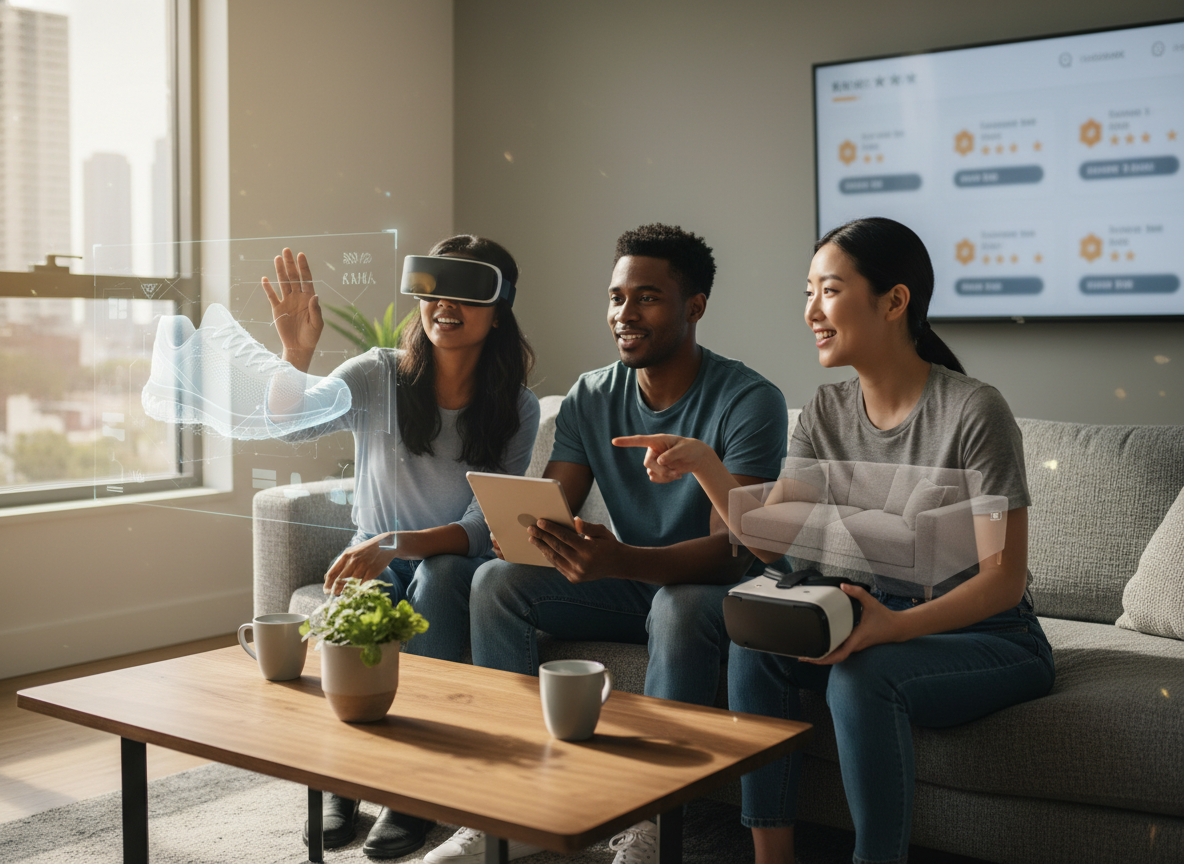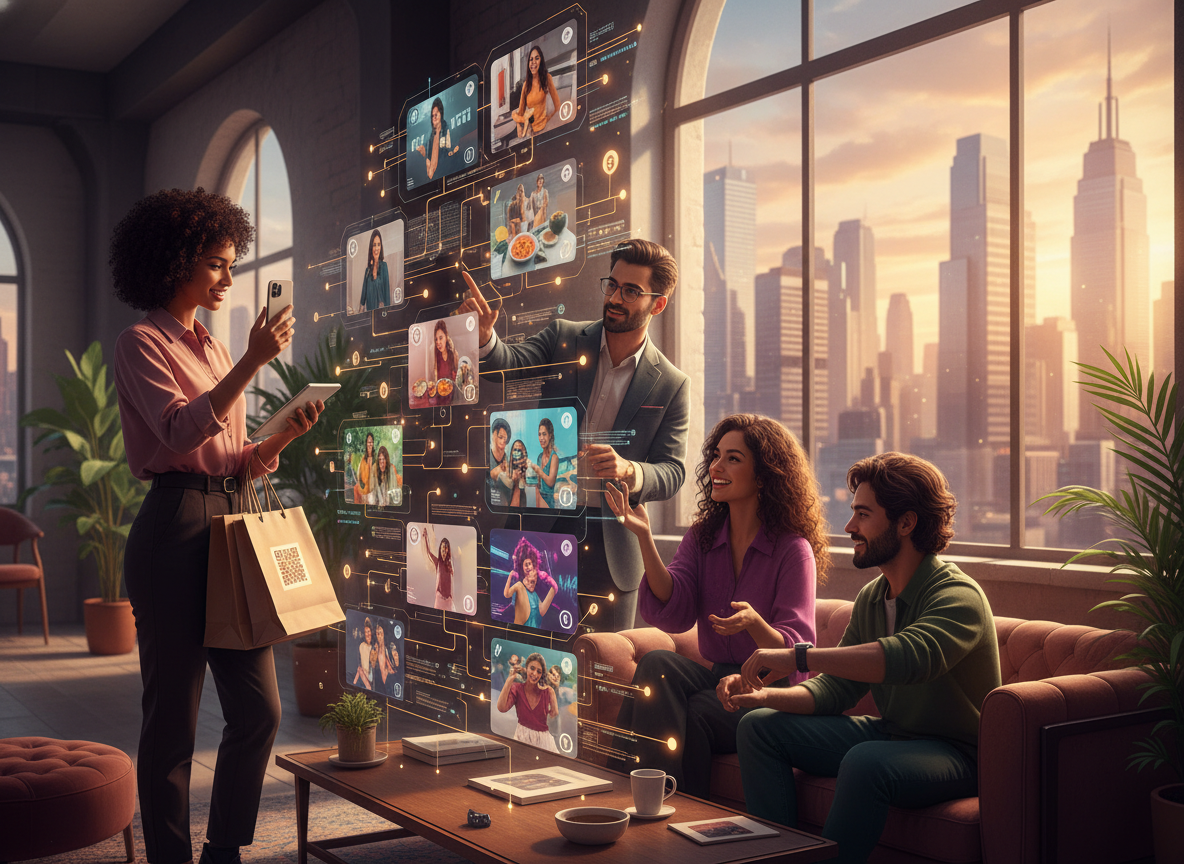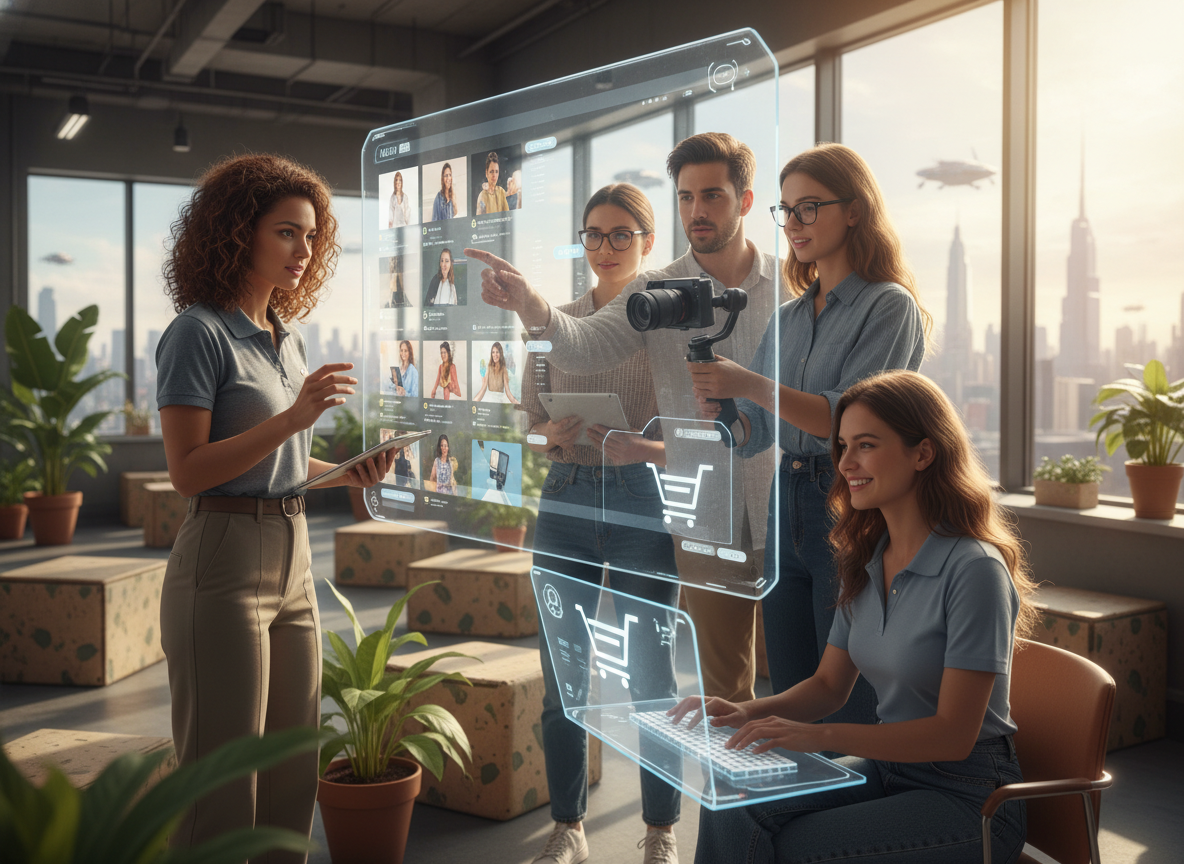
By April 2026, the shift toward video-first affiliate marketing is complete. Text-based reviews, while still relevant for deep SEO, now serve as the foundation for a much larger video ecosystem. Short-form, shoppable videos on platforms like TikTok, YouTube Shorts, and Instagram Reels have become the primary way consumers discover and purchase new products. The 'See it, Click it, Own it' loop has been refined to a point where a purchase can be completed in under three seconds without ever leaving the video feed.
The most significant advancement in 2026 is the 'Interactive Overlay.' Modern video reviews allow users to tap on any item they see on screen—whether it's the main product being reviewed or a piece of decor in the background—to see a price, specs, and an affiliate link. This has turned every frame of a video into a potential point of sale, dramatically increasing the earning potential for lifestyle and 'aesthetic' creators who may not be doing traditional tech reviews.
Live stream shopping has also evolved into a multi-billion dollar affiliate channel. In April 2026, 'Flash Affiliates' participate in high-energy, limited-time live events where they showcase products to thousands of viewers simultaneously. These events often feature exclusive 'Live-Only' discounts, creating a sense of urgency that drives massive conversion spikes. The technology supporting these streams now allows for lag-free interaction, enabling creators to answer questions and demonstrate features in real-time.
Video SEO has become more complex and essential. Search engines in 2026 are capable of 'Deep-Frame Indexing,' meaning they can understand the context of what is happening inside a video without relying on titles or descriptions. Affiliate marketers must now ensure their videos are visually optimized for these AI crawlers, using clear product shots and consistent branding to ensure their content appears in the 'Visual Answer' boxes at the top of search results.
The rise of 'Micro-Video Networks' is another key trend. Rather than relying solely on major social platforms, many top affiliates are building their own private video apps or hosting interactive video galleries on their websites. This allows for better data collection and avoids the 'algorithm anxiety' that comes with relying on third-party platforms. These self-hosted videos often feature higher-quality 8K resolution and spatial audio, providing a premium experience for dedicated followers.
Collaboration between creators has also moved into the video space through 'Split-Screen Affiliates.' Two or more creators can now co-host a review video, with the affiliate commission being split automatically by the platform's backend. This allows a tech expert and a design expert to review the same product from different angles, providing a more holistic view to the consumer and reaching a wider combined audience.
Authenticity in video content is more scrutinized than ever. In 2026, the 'Unfiltered' movement has taken hold, with audiences preferring raw, unedited footage over highly produced commercials. 'Stress Testing' videos—where products are pushed to their absolute limits—have become particularly popular. Affiliates who are willing to show a product failing or underperforming in certain conditions are seeing much higher trust levels than those who only show the positives.
As we conclude this look at the April 2026 landscape, it's clear that video is no longer just a supplement to affiliate marketing; it is the core. The ability to demonstrate a product's value in a fast, engaging, and interactive format is the ultimate competitive advantage. For the modern affiliate, the camera is just as important as the keyboard, and the ability to tell a compelling story in 60 seconds or less is the key to financial success.