As of April 2026, the landscape of affiliate marketing has shifted from broad-spectrum targeting to ultra-precise hyper-personalization powered by agentic AI workflows. No longer are marketers relying on static banners or generic product recommendations; instead, sophisticated algorithms are now capable of predicting consumer needs before the user even articulates them. This shift has been driven by the integration of large behavior models that analyze cross-platform interactions in real-time, allowing affiliate partners to present products that align perfectly with a user's current context and emotional state.
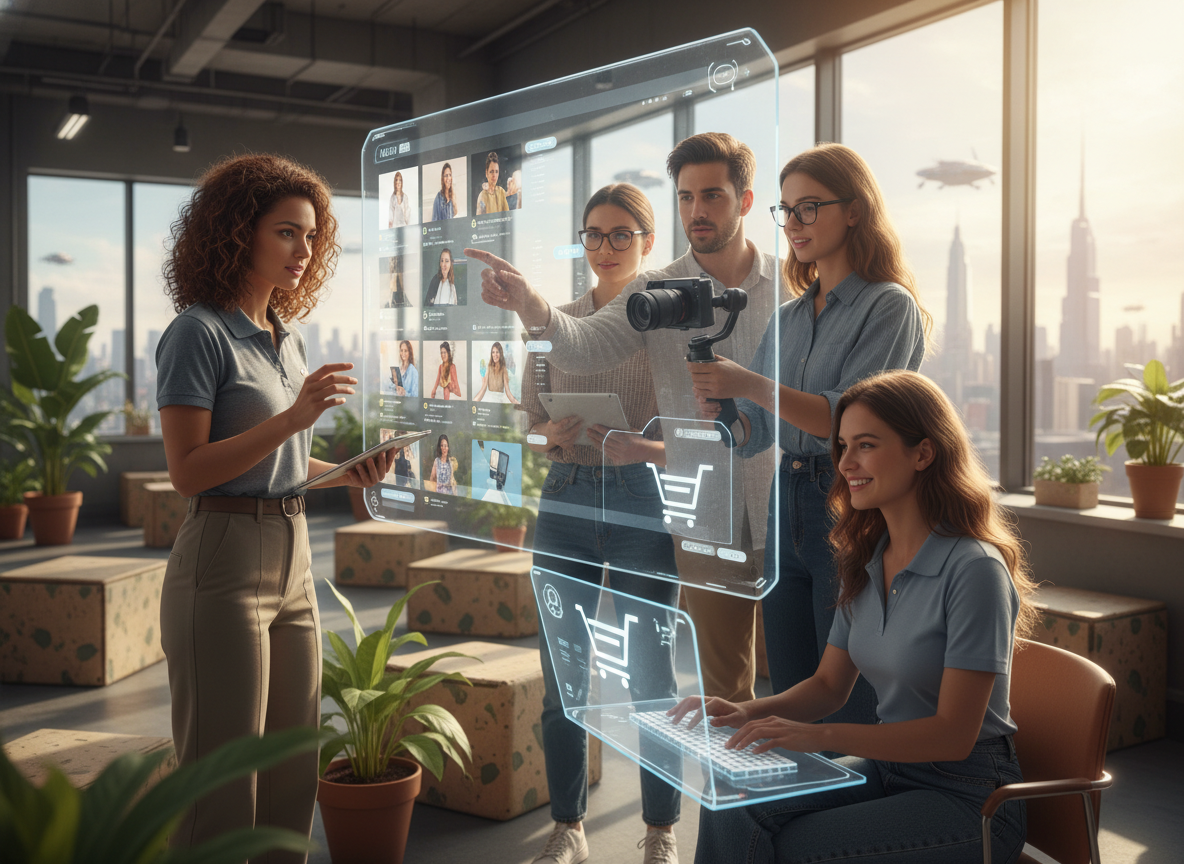
The role of the traditional product reviewer has evolved into that of a data-driven curator. In this new ecosystem, high-quality content is judged not just by its prose, but by its ability to integrate dynamic elements that change based on who is viewing the page. For instance, a single review for a high-end camera might highlight its cinematic capabilities for a professional filmmaker while simultaneously emphasizing its durability for an adventure traveler, all within the same URL through AI-generated modular content blocks.
Furthermore, the introduction of 'Affiliate Agents'—autonomous AI entities that act on behalf of the consumer—has changed how products are discovered. These agents scan the web for the best deals, authentic reviews, and compatible ecosystems, making the job of the affiliate marketer one of 'Agent Optimization.' To succeed in 2026, content must be structured in a way that these AI agents can easily parse and verify the authenticity of the recommendations provided.
Transparency remains a cornerstone of success in this automated era. With the April 2026 update to global advertising standards, affiliate disclosures must now be as intelligent as the marketing themselves. Dynamic disclosure labels that explain exactly why a product is being recommended based on the user's data have become the industry standard. This level of honesty has surprisingly led to higher trust scores and, subsequently, higher conversion rates among Gen Alpha and Gen Z demographics.
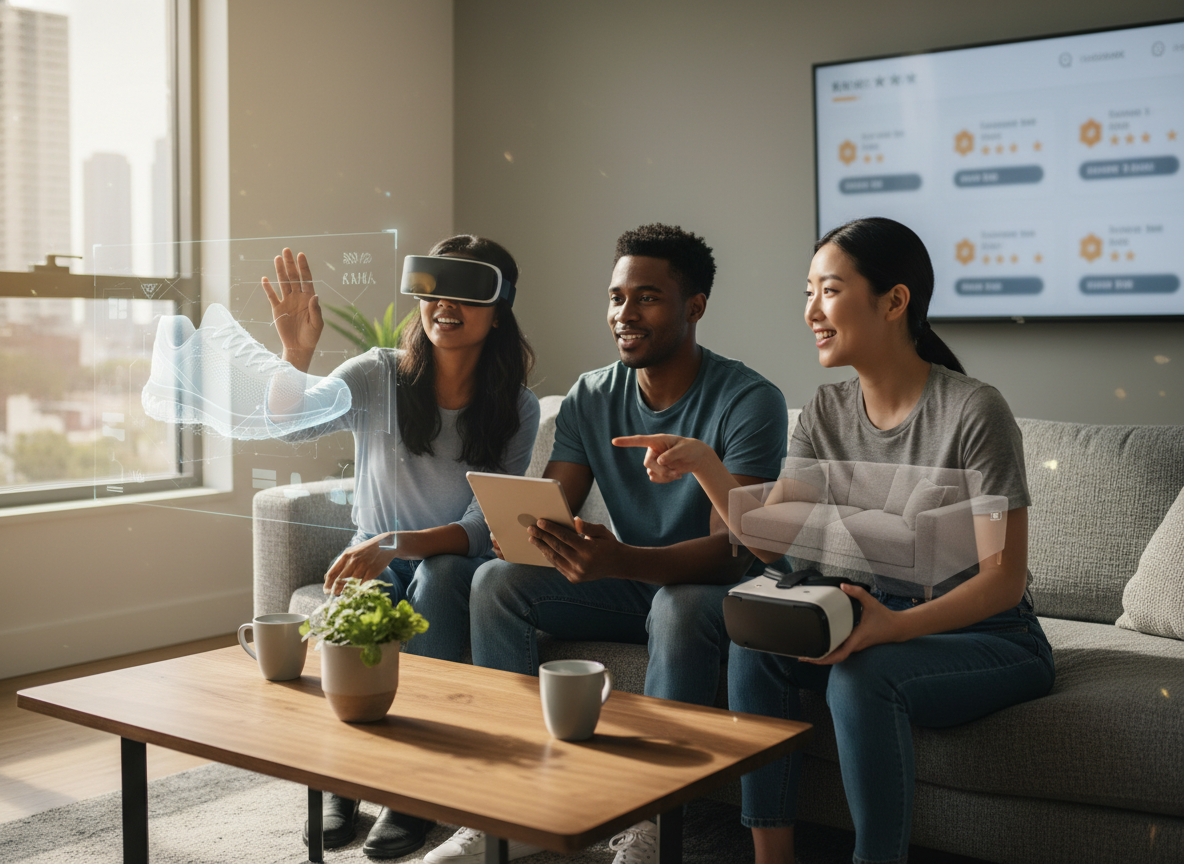
The technical infrastructure supporting these strategies has also seen a massive upgrade. Edge computing now allows for instantaneous content delivery, ensuring that personalized affiliate links and interactive 3D product previews load without a millisecond of latency. This is particularly crucial for the growing segment of wearable technology users who interact with affiliate content through augmented reality interfaces where speed is directly linked to user retention.
Niche authority has become more valuable than ever before. While broad marketplaces still exist, the 2026 market favors specialists who utilize AI to deepen their expertise rather than just scale their output. By focusing on micro-segments and employing deep-learning tools to identify emerging trends in those segments, affiliate marketers are finding that smaller, highly engaged audiences yield significantly better ROI than massive, disinterested ones.
Data privacy in 2026 has reached a point of 'Consent-as-a-Service.' Affiliate marketers must now navigate a landscape where zero-party data is the only viable currency. Strategies have shifted toward interactive quizzes, gamified reviews, and value-exchange models where consumers willingly share their preferences in exchange for hyper-tailored advice. This shift has effectively eliminated the 'creep factor' of old-school tracking cookies, replacing it with a collaborative shopping experience.
In conclusion, the state of affiliate marketing on April 11, 2026, is one of sophisticated technological integration and radical transparency. Those who embrace AI not as a replacement for human insight, but as a tool for extreme personalization, are seeing unprecedented growth. The future belongs to those who can balance the efficiency of automation with the irreplaceable trust of a verified human expert, creating a symbiotic relationship that benefits the brand, the affiliate, and the consumer alike.