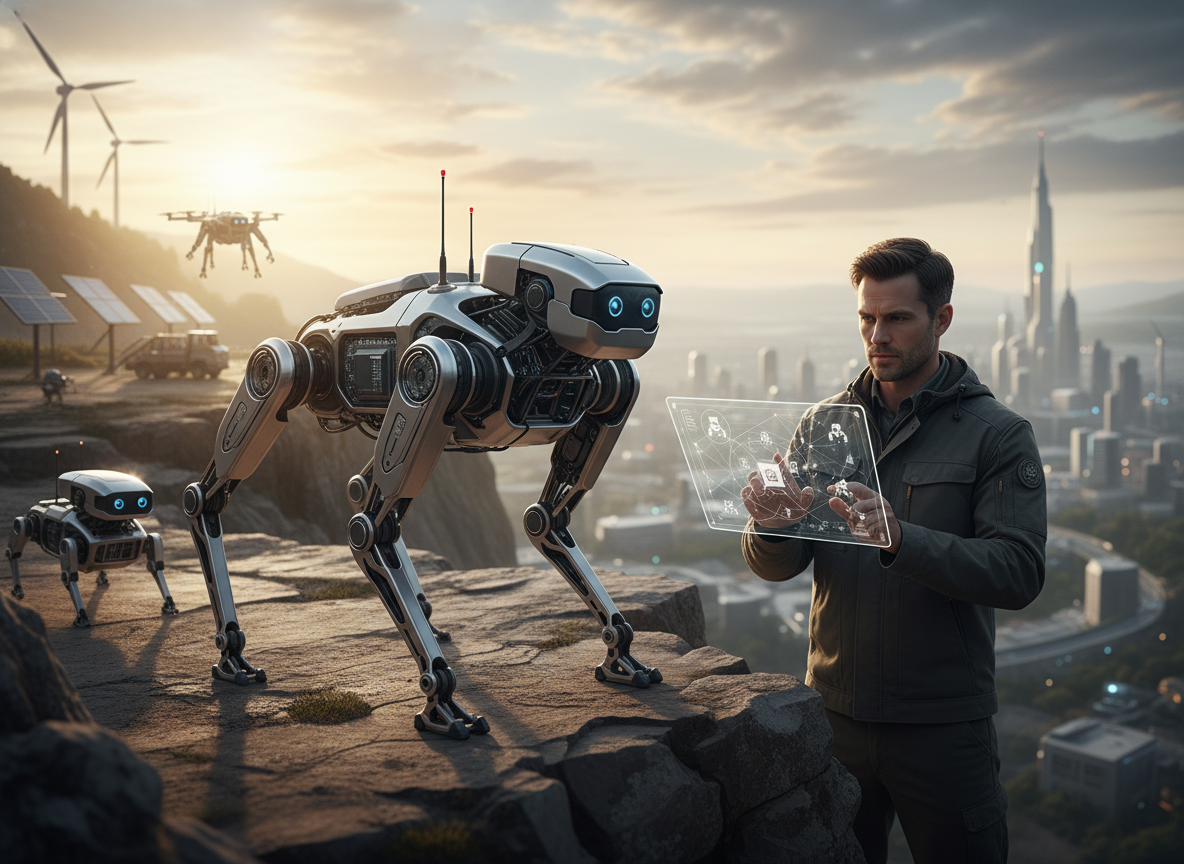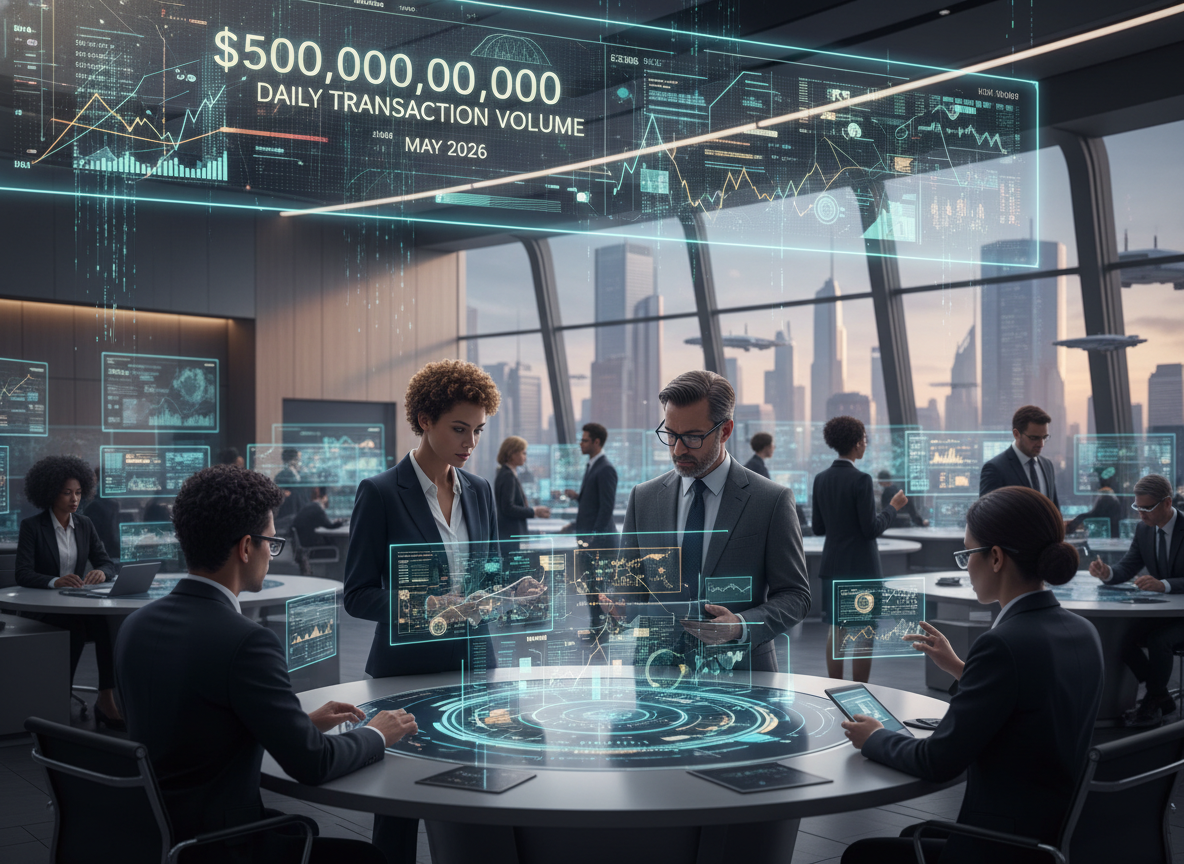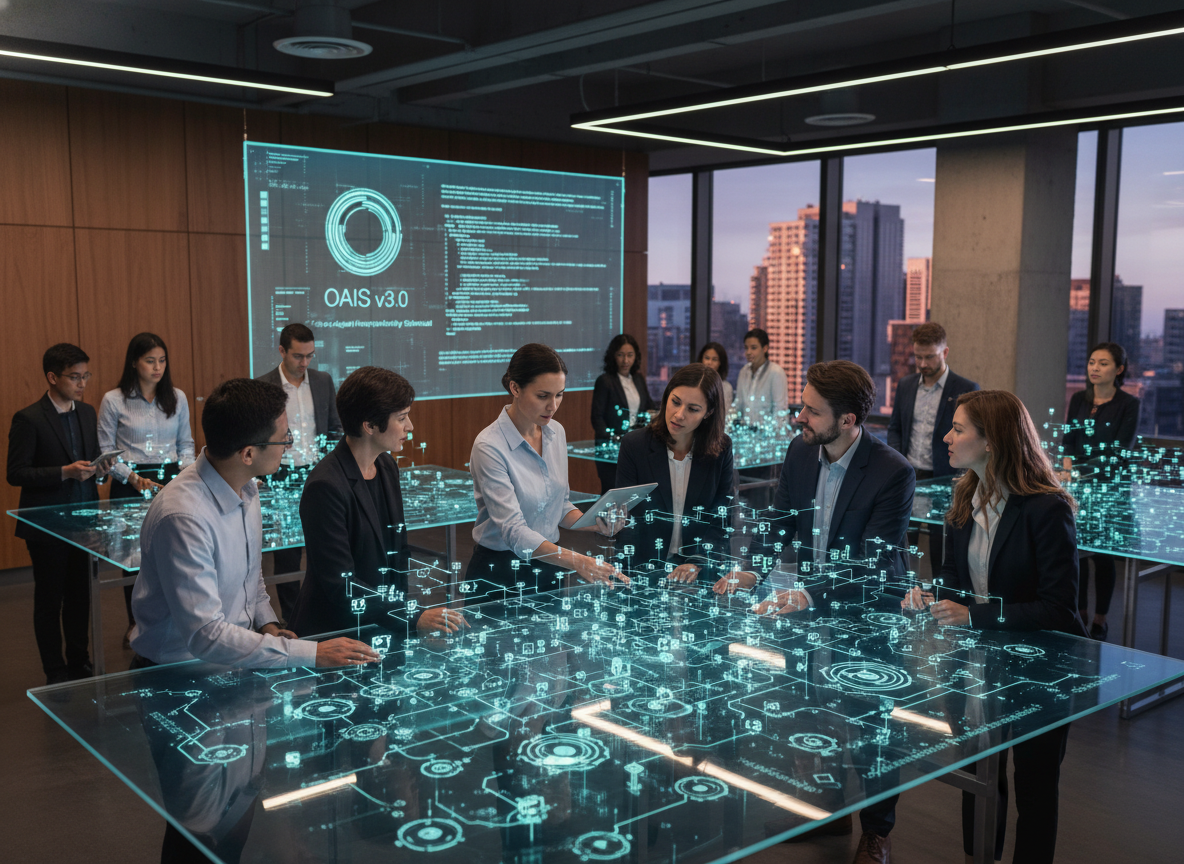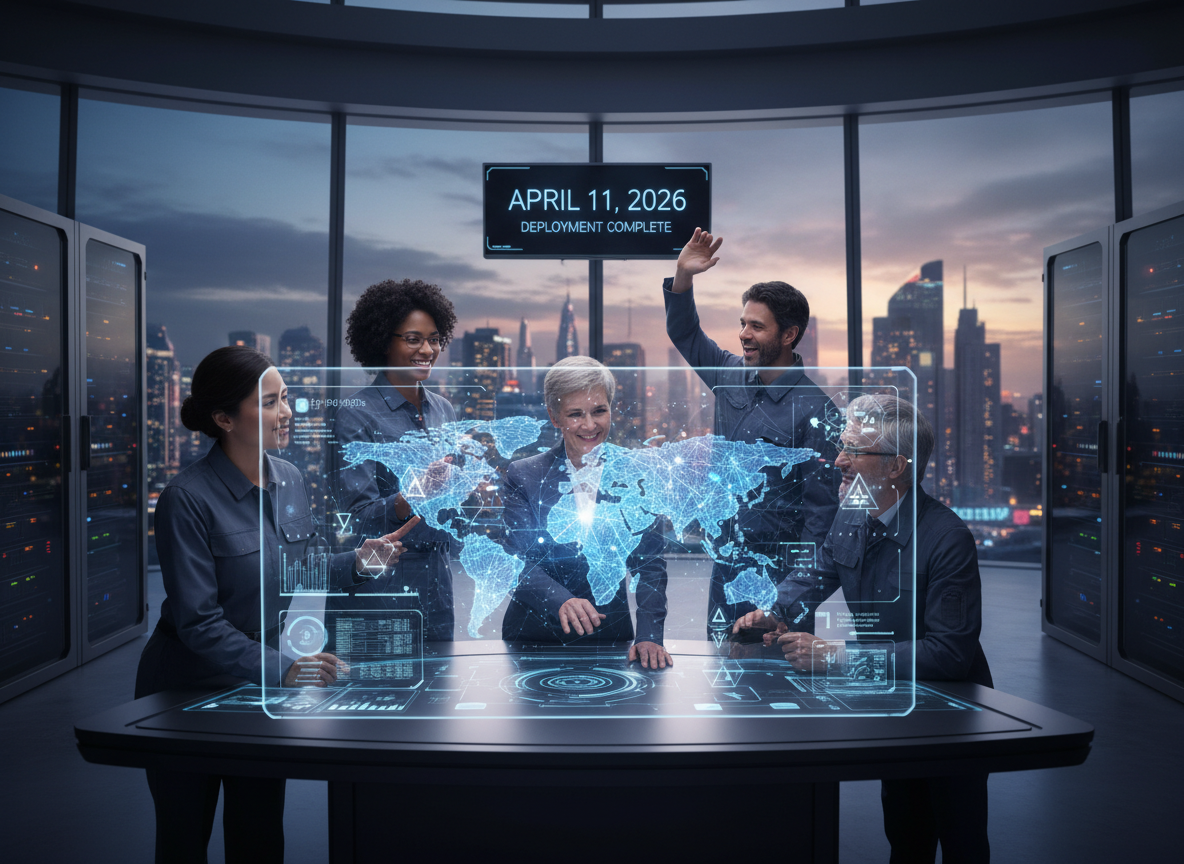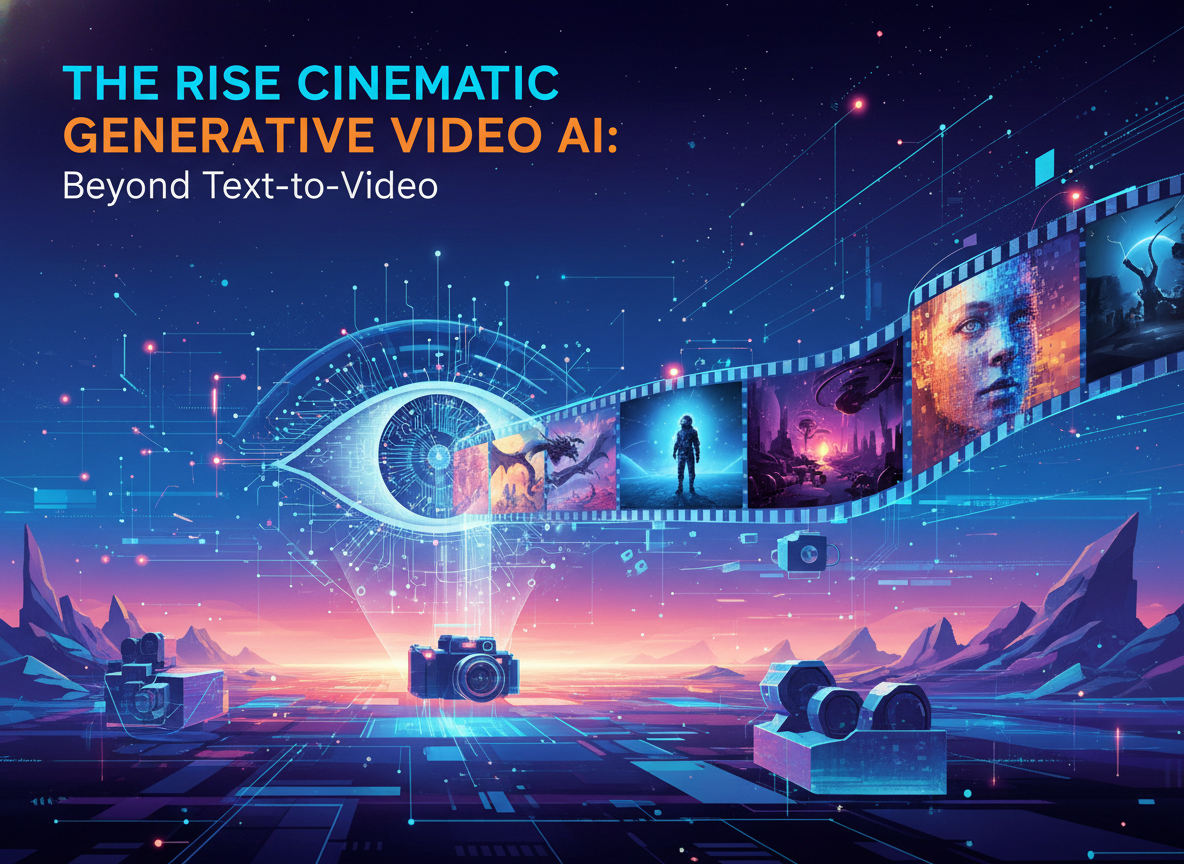
The landscape of artificial intelligence has undergone a seismic shift with the emergence of high-fidelity generative video models that bridge the gap between imagination and cinematic reality. Unlike the rudimentary animations of the past, contemporary AI video tools are leveraging advanced diffusion transformers to simulate complex physical interactions and light dynamics with startling accuracy. This evolution represents a pivotal moment in media history, where the barriers to high-quality visual storytelling are being dismantled by algorithmic precision. As these models evolve, they are moving beyond simple text-to-video capabilities into deep temporal consistency and nuanced emotional delivery.
Leading the charge are platforms like OpenAI's Sora and Kuaishou's Kling, which have demonstrated an unprecedented ability to maintain object permanence across long-duration clips. These models do not merely predict pixels; they understand the three-dimensional physics of the world they are rendering, allowing for realistic camera movements and consistent character behavior. This technical breakthrough is significant because it solves the 'hallucination' problem that plagued earlier iterations of AI video, where objects would morph or disappear mid-scene. The result is a visual output that can often pass for professionally shot drone footage or high-budget studio cinematography.
The technical architecture behind these advancements involves massive scale training on diverse video and image datasets, often utilizing temporal attention mechanisms to ensure smoothness. By treating video as a series of patches in space and time, these models can generate complex scenes involving multiple characters and intricate background details. This approach allows the AI to capture the subtle nuances of human motion and the specific textures of different environments, from the bustling streets of a futuristic city to the delicate movement of a butterfly’s wings. The scalability of this architecture suggests that we are only at the beginning of a geometric curve in quality.
For the creative industries, the implications are both exhilarating and disruptive, as the democratization of high-end production tools becomes a reality. Independent filmmakers and small-scale content creators now have access to visual effects and set pieces that were previously reserved for major Hollywood studios with multi-million dollar budgets. This shift is creating a new paradigm in digital marketing, social media, and education, where high-quality visual content can be produced at a fraction of the traditional cost and time. However, this also necessitates a reevaluation of the value of human craftsmanship in the digital age.
Ethical considerations and the risk of misinformation remain at the forefront of the generative video discussion, as the line between reality and synthesis blurs. The potential for 'deepfakes' and high-quality manipulated media to influence public opinion or facilitate fraud is a primary concern for regulators and tech companies alike. Developers are responding by implementing robust watermarking technologies and rigorous content moderation filters to prevent the misuse of their platforms. The industry is currently in a race to balance the creative potential of these tools with the necessity of digital authenticity and security.
The competitive landscape is heating up as tech giants like Google, Meta, and Adobe integrate generative video features into their existing software ecosystems. Adobe's Firefly Video Model, for instance, aims to provide creators with a commercially safe environment where they can generate and edit video assets directly within professional suites like Premiere Pro. This integration ensures that AI is not just an experimental curiosity but a core component of the professional workflow, enhancing rather than replacing the creative process. The battle for market dominance is now centered on reliability, safety, and user-friendly interfaces.
Looking toward the future, the next phase of generative video AI will likely focus on interactive storytelling and real-time generation. We are moving toward a world where viewers can influence the narrative of a film or a video game in real-time, with the AI rendering the changes instantly. This 'infinite media' concept would allow for personalized entertainment experiences that adapt to the preferences and choices of each individual user. The convergence of AI video with spatial computing and virtual reality could redefine how we perceive and interact with digital narratives entirely.
In conclusion, the rise of cinematic generative video AI is not just a technological milestone; it is a cultural transformation that challenges our traditional notions of creativity and reality. As these tools become more accessible and sophisticated, they will empower a new generation of creators to tell stories that were once impossible to visualize. While the challenges of ethics and authenticity must be navigated carefully, the potential for innovation in art, commerce, and communication is boundless. We are standing on the precipice of a new era where the only limit to visual expression is the scope of our own imagination.