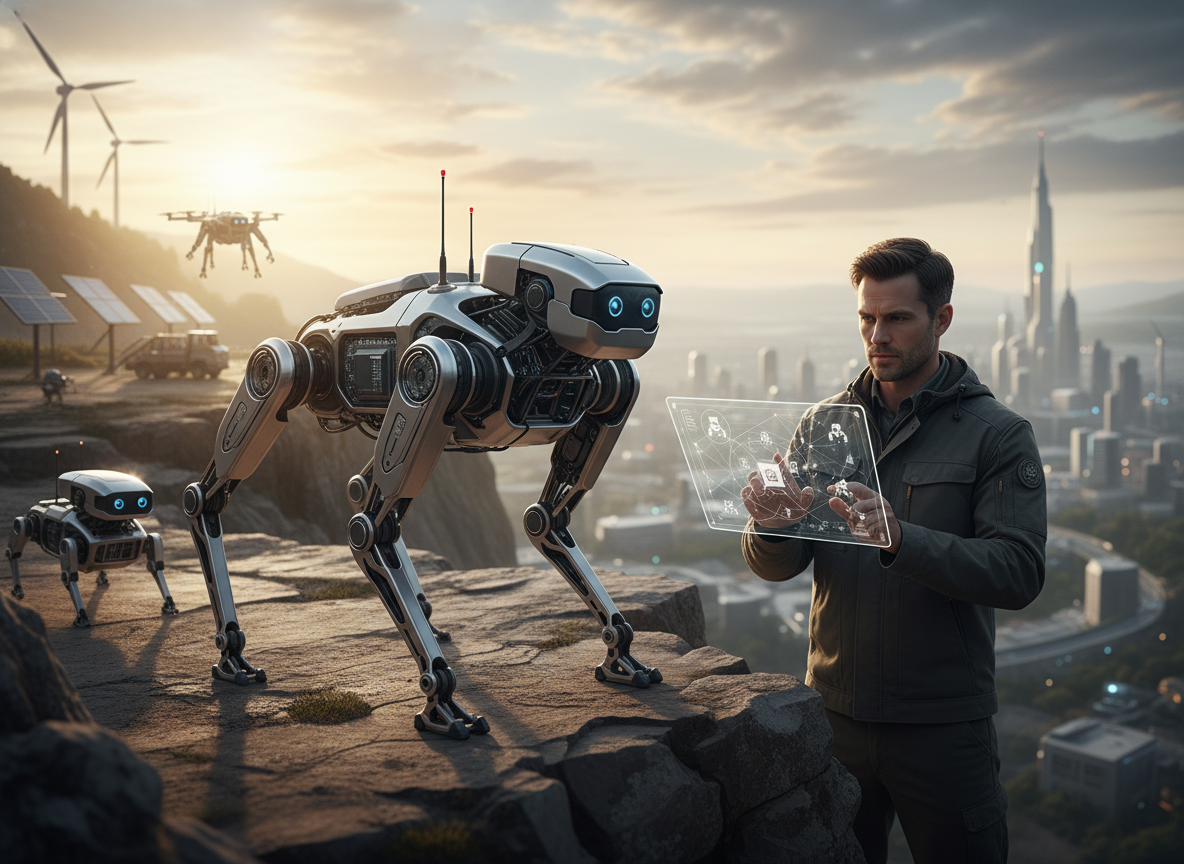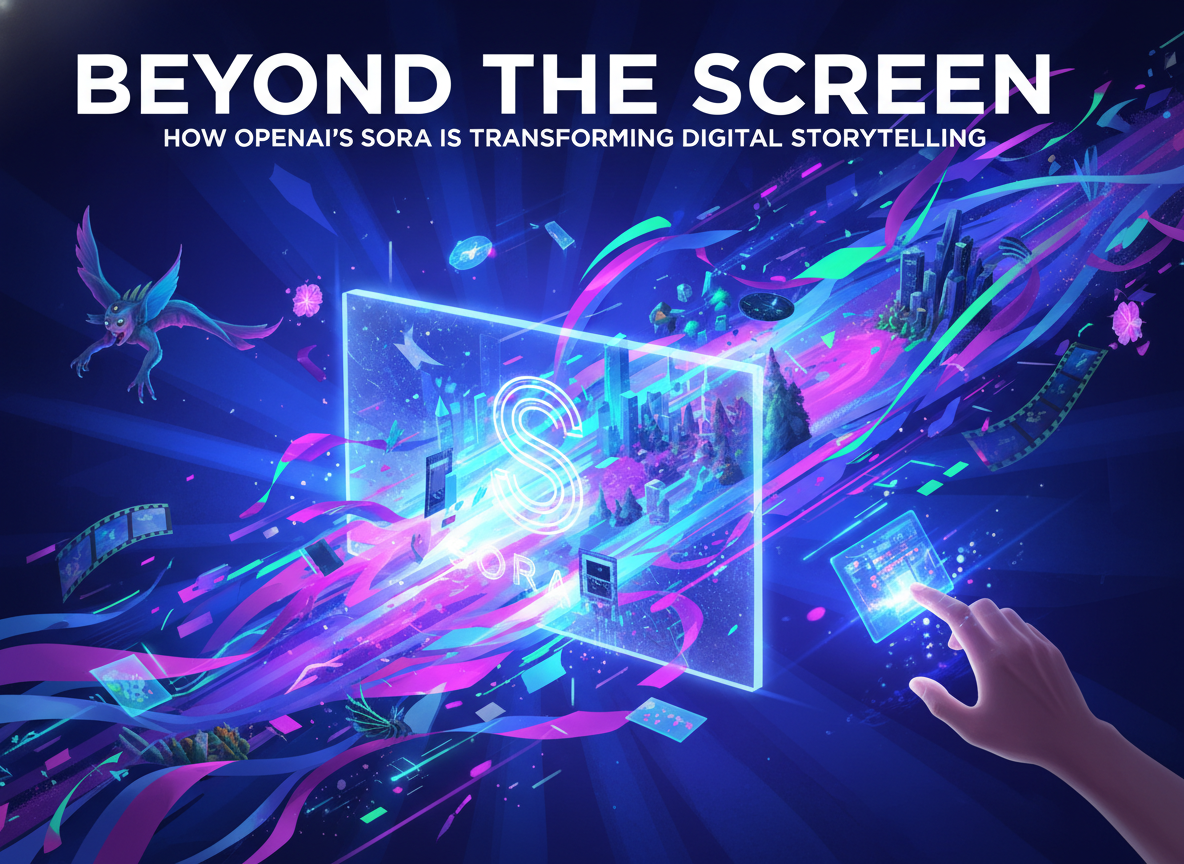
The digital media industry is currently processing the implications of OpenAI's latest model, Sora. Unlike previous video generation tools that often produced jittery or surrealistic imagery, Sora demonstrates a sophisticated understanding of physical properties and temporal consistency. It can generate complex scenes with multiple characters, specific types of motion, and accurate details of the subject and background, all from a simple text prompt.
Technically, Sora is a diffusion model that treats videos as a collection of patches, similar to how LLMs treat tokens. This unified representation allows the model to be trained on a vast array of visual data, from different resolutions and aspect ratios. By leveraging the scaling laws that made GPT-3 so effective, OpenAI has created a system that can simulate aspects of the physical world, such as gravity and reflections, with a level of fidelity previously reserved for high-budget CGI.
However, the emergence of hyper-realistic AI video also brings significant ethical and security challenges. Concerns regarding deepfakes and misinformation are at an all-time high. In response, OpenAI is working with red-teamers and developing tools to detect AI-generated content, such as C2PA metadata. As the technology moves toward a public release, the conversation is shifting from 'can we do this' to 'how can we do this safely' while preserving the creative potential for filmmakers and artists.