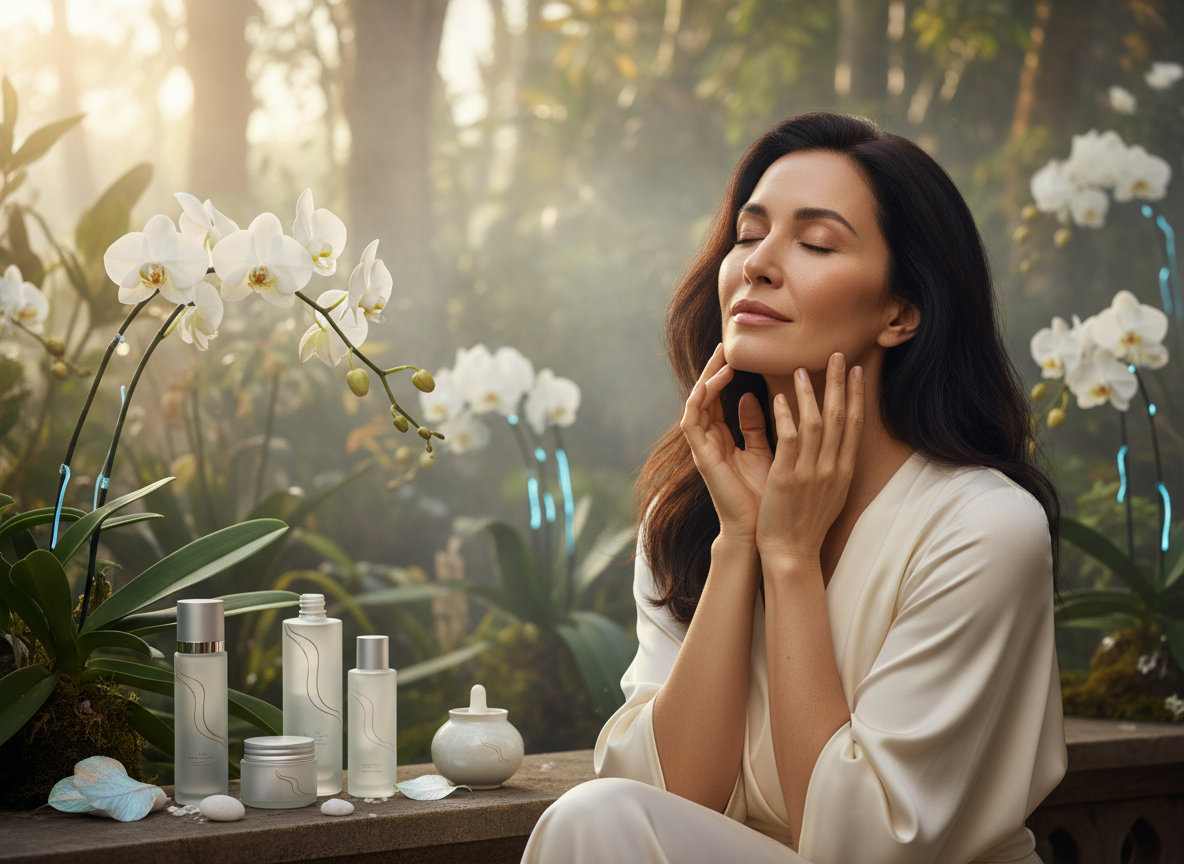
The beauty industry is currently undergoing its most significant transformation in decades with the official launch of the first mass-market 'Neuro-Cosmetic' lines this April. For years, the link between mental stress and skin health was understood but difficult to treat directly. However, as of April 10, 2026, a new generation of skincare products has hit the shelves that do more than just hydrate; they actively communicate with the skin's sensory receptors to modulate the body's response to cortisol. This 'brain-to-skin' approach is redefining the concept of holistic beauty.
At the heart of this breakthrough are neuropeptides that have been engineered to inhibit the inflammatory signals sent by the brain during periods of high stress. When we are anxious, our skin often reacts with redness, breakouts, or accelerated collagen breakdown. The new neuro-creams released this week contain 'calm-active' molecules that bind to these receptors, effectively telling the skin to remain in a state of repair rather than defense. This technology represents the culmination of five years of intensive dermatological and neurological research.
A major highlight of the current beauty cycle is the 'Smart Mirror Sync' integration. Top-tier beauty brands have partnered with tech firms to develop mirrors that analyze a user's facial micro-expressions and skin temperature to determine their stress levels each morning. Based on this data, the mirror recommends a specific dosage of neuro-active serum to counteract the day's predicted physiological strain. This level of personalization was unthinkable just three years ago but is now a reality for the tech-savvy consumer of 2026.
Furthermore, the sensory experience of these products has been meticulously designed to trigger positive neural pathways. The scents used are no longer just pleasant fragrances; they are functional 'neuro-scents' developed through fMRI testing to lower heart rate and induce a state of relaxation. By engaging both the olfactory system and the dermal receptors, these products provide a dual-action approach to wellness that traditional skincare simply cannot match. It is beauty that feels good from the inside out.
Clinical trials updated this week show that users of stress-responsive skincare see a 40% reduction in fine lines caused by repetitive facial tension within just thirty days. This is because the ingredients help relax the micro-muscles of the face, acting as a non-invasive alternative to traditional injectables. The market's response has been overwhelmingly positive, with 'Neuro-Glow' becoming the most searched beauty term on social media platforms in the first ten days of April 2026.
The ethical considerations of neuro-cosmetics are also being addressed. Leading brands have committed to using only ethically sourced, bio-identical peptides, ensuring that the advancement in science does not come at the cost of ecological integrity. This commitment to 'clean neuro-science' is crucial for maintaining consumer trust in an era where the origin of ingredients is scrutinized more than ever. As we look at the ingredient labels of 2026, we see a shift away from harsh acids toward soothing, brain-aligned bio-actives.
Retailers are adapting to this trend by transforming their beauty aisles into 'Sensory Zones.' Instead of bright, sterile environments, new beauty boutiques are designed with soft lighting and acoustic dampening to mirror the effects of the products they sell. This creates an immersive experience that reinforces the neuro-cosmetic promise of tranquility and rejuvenation. The goal is to make the act of buying skincare as therapeutic as the application itself, catering to the mental health-conscious demographic.
In conclusion, neuro-cosmetics are not just a passing fad but a fundamental shift in how we perceive the function of skincare. By addressing the neurological roots of skin aging and irritation, the industry is providing more effective and empathetic solutions for the modern world. As of April 10, 2026, the boundary between mental wellness and topical beauty has officially dissolved, ushering in an era of 'Intelligent Beauty' that prioritizes the harmony of mind and body.