The global beauty landscape has undergone a seismic shift as of April 7, 2026, with the official commercial debut of 'Corti-Calm' technology. This breakthrough represents the pinnacle of neuro-cosmetics, a field that bridges the gap between neurological health and dermatological excellence. Unlike traditional topical treatments that address surface-level symptoms, these new formulations are designed to interact directly with the skin's nervous system. By targeting the sensory neurons within the dermis, these products aim to mitigate the visible effects of psychological stress, such as chronic inflammation, premature aging, and barrier dysfunction. Experts attending the International Dermatology Congress today have hailed this as the most significant advancement in skincare since the introduction of stabilized retinoids decades ago.
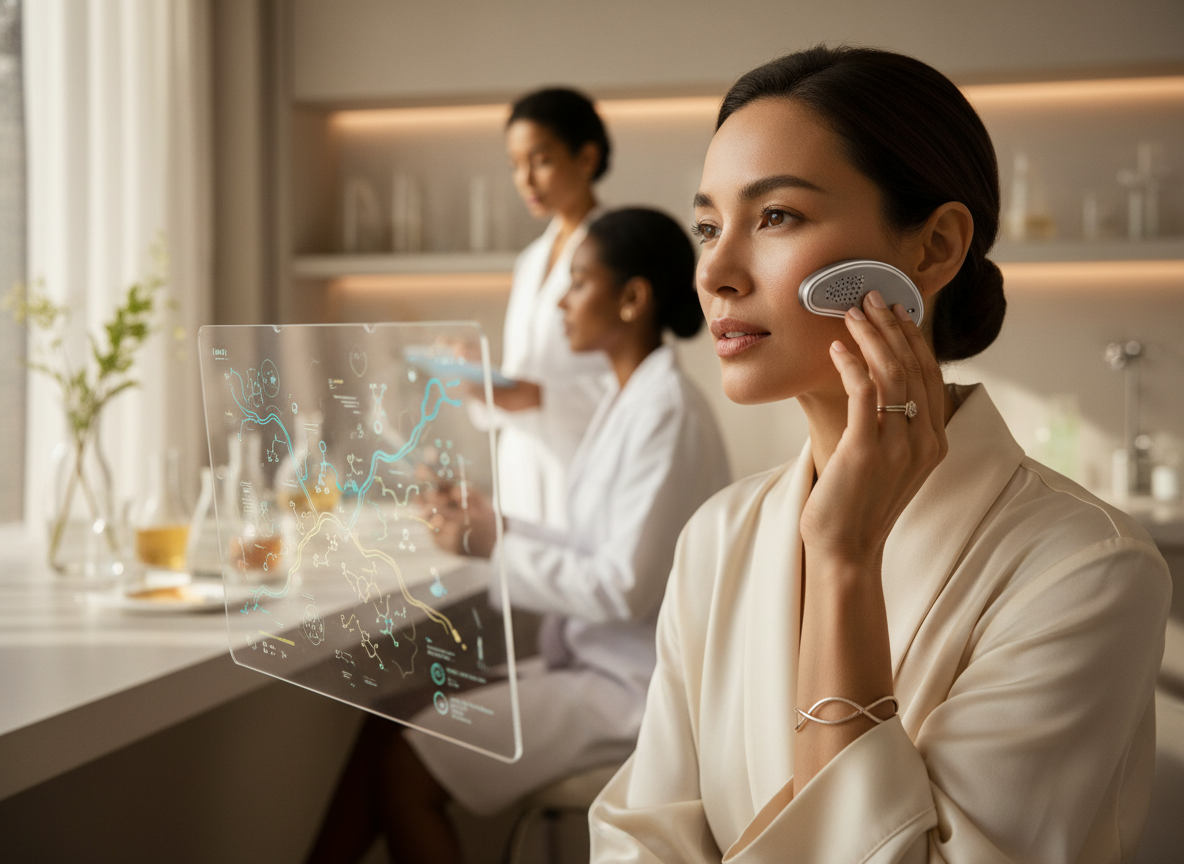
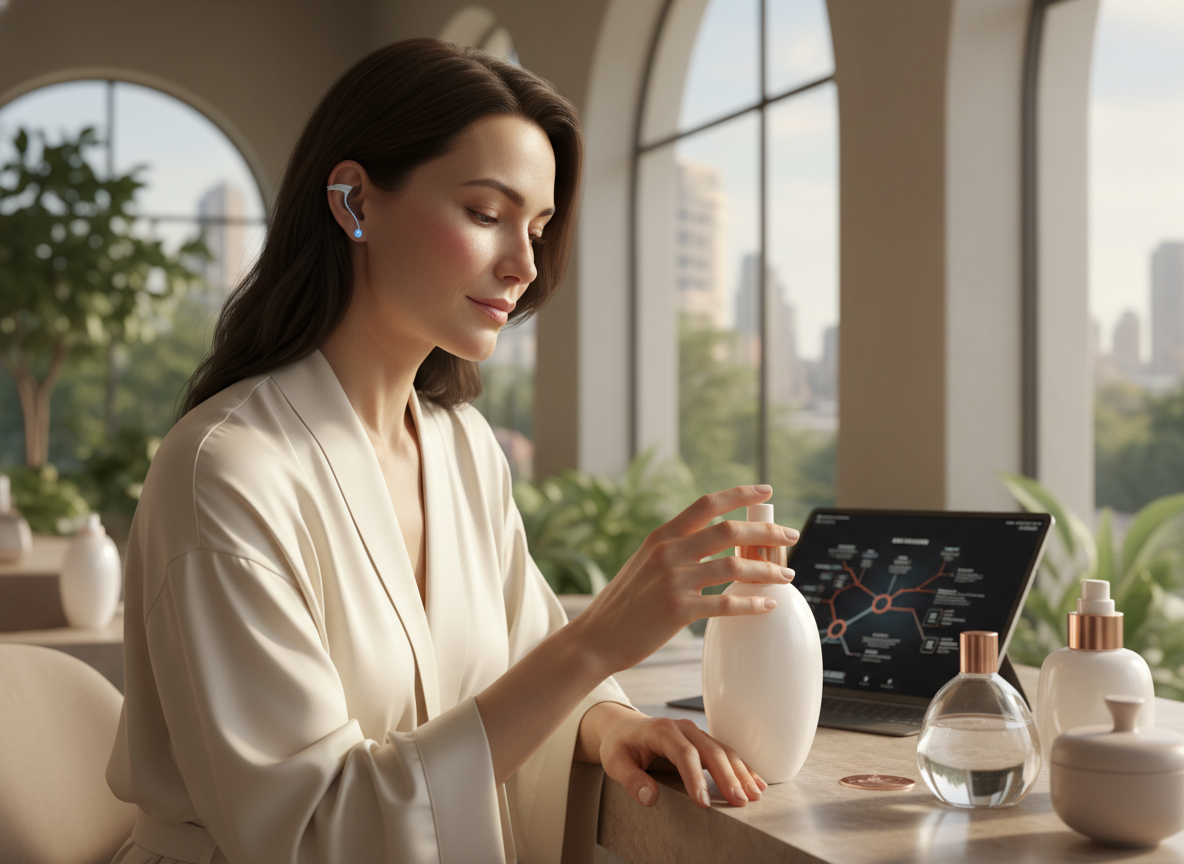
Neuro-cosmetics work by utilizing bio-identical peptides that act as 'stress-blockers' for the skin's cortisol receptors. When the body experiences stress, it releases cortisol, which typically leads to a breakdown of collagen and an increase in sebum production. The new formulas launched today use a patented 'Neural-Lock' mechanism to prevent these hormones from binding to skin cells. This immediate intervention ensures that the skin remains in a state of repair rather than a state of defense. Scientists have noted that consistent use of these neuro-active ingredients can lead to a 40 percent reduction in redness and a significant increase in moisture retention within just seven days of application.
The rise of these products coincides with a broader cultural movement toward 'Emotional Esthetics' in 2026. Consumers are no longer satisfied with superficial results; they are seeking products that reflect their internal state of being. Today's product launches from leading luxury brands like Aetheris and Lumina Lab emphasize the psychological benefits of their regimens, often pairing skincare application with haptic-guided breathing exercises. This holistic approach recognizes that the skin is a direct reflection of the nervous system. The market response has been unprecedented, with pre-orders for neuro-cosmetic serums reaching record highs in the first six hours of their release this morning.
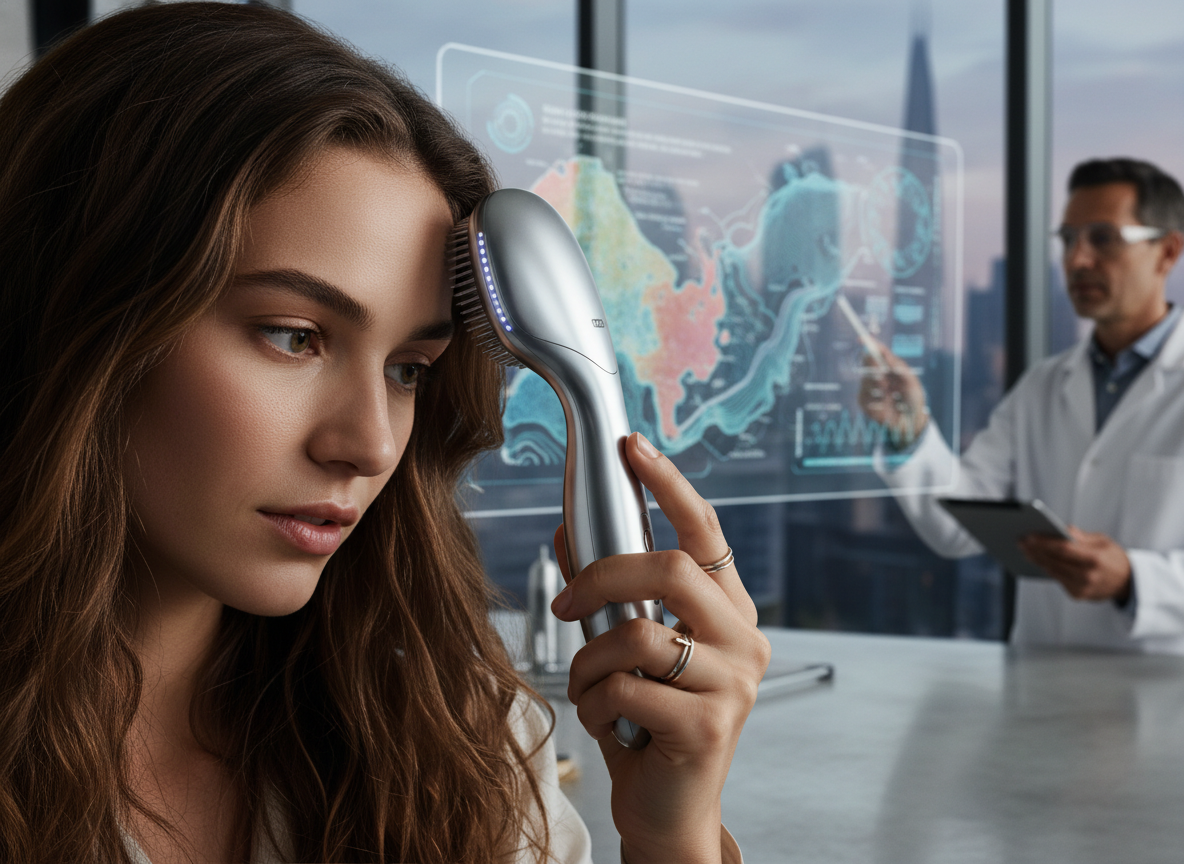
A major factor driving this trend is the integration of AI-powered diagnostic mirrors that have become a staple in modern households by 2026. These mirrors use advanced multispectral imaging to detect 'micro-stress signals' in the skin before they are visible to the naked eye. Upon detection, the AI recommends a specific dosage of neuro-cosmetic active ingredients to neutralize the localized stress response. This level of personalization was unthinkable even two years ago, but it has now become the gold standard for high-end skincare routines. The democratization of this technology is expected to follow as production costs for the sensors continue to drop.
Ethical sourcing and laboratory transparency have also taken center stage in the 2026 beauty industry. The neuro-peptides used in today's newest formulas are entirely lab-grown through precision fermentation, eliminating the need for traditional botanical extraction that can deplete natural resources. This sustainable manufacturing process ensures a 99.9 percent purity rate, reducing the risk of allergic reactions and skin sensitivities. Environmental advocates have praised this move, noting that the carbon footprint of neuro-cosmetic production is nearly 60 percent lower than that of conventional high-performance skincare.
During a press conference held earlier today in Tokyo, leading dermatologists discussed the long-term implications of neuro-cosmetics on aging. They argued that by 'silencing' the skin's stress signals, we are effectively slowing down the biological clock at a cellular level. This 'preventative neuro-aging' strategy is particularly popular among Gen Z and Millennial consumers who are moving away from invasive procedures in favor of sophisticated biochemical solutions. The focus is shifting from 'anti-aging' to 'pro-longevity,' with the goal of maintaining skin health through the optimization of the brain-skin axis.
The retail environment is also evolving to accommodate these high-tech offerings. Today, flagship beauty stores in New York and Paris unveiled 'Sensory Isolation Pods' where customers can test neuro-cosmetics in a controlled, low-stress environment. These pods use ambient lighting and binaural beats to enhance the absorption and efficacy of the products, providing a multisensory experience that reinforces the product's neurological claims. This experiential retail model is designed to educate consumers on the importance of the mind-skin connection while providing an immediate sense of relief and luxury.
In conclusion, the events of April 7, 2026, mark a definitive turning point for the beauty industry. The transition from reactive skincare to proactive neuro-cosmetic intervention reflects a deeper understanding of human biology and its relationship with the modern environment. As stress levels continue to rise globally, the ability to shield our skin from the internal effects of external pressures is becoming a necessity rather than a luxury. The future of beauty is undoubtedly intelligent, empathetic, and deeply rooted in the complexities of the human nervous system, promising a new era where we look as calm as we feel.