The fragrance world is experiencing a paradigm shift this March, moving away from the concept of a 'signature scent' toward what experts are calling 'Neural Scenting.' This new frontier in perfumery uses AI and biometric feedback to create fragrances that aren't just pleasant to smell but are scientifically formulated to regulate the wearer's emotional state. As stress levels continue to be a primary concern for modern consumers, the perfume industry has repositioned itself as a key player in the mental wellness space.
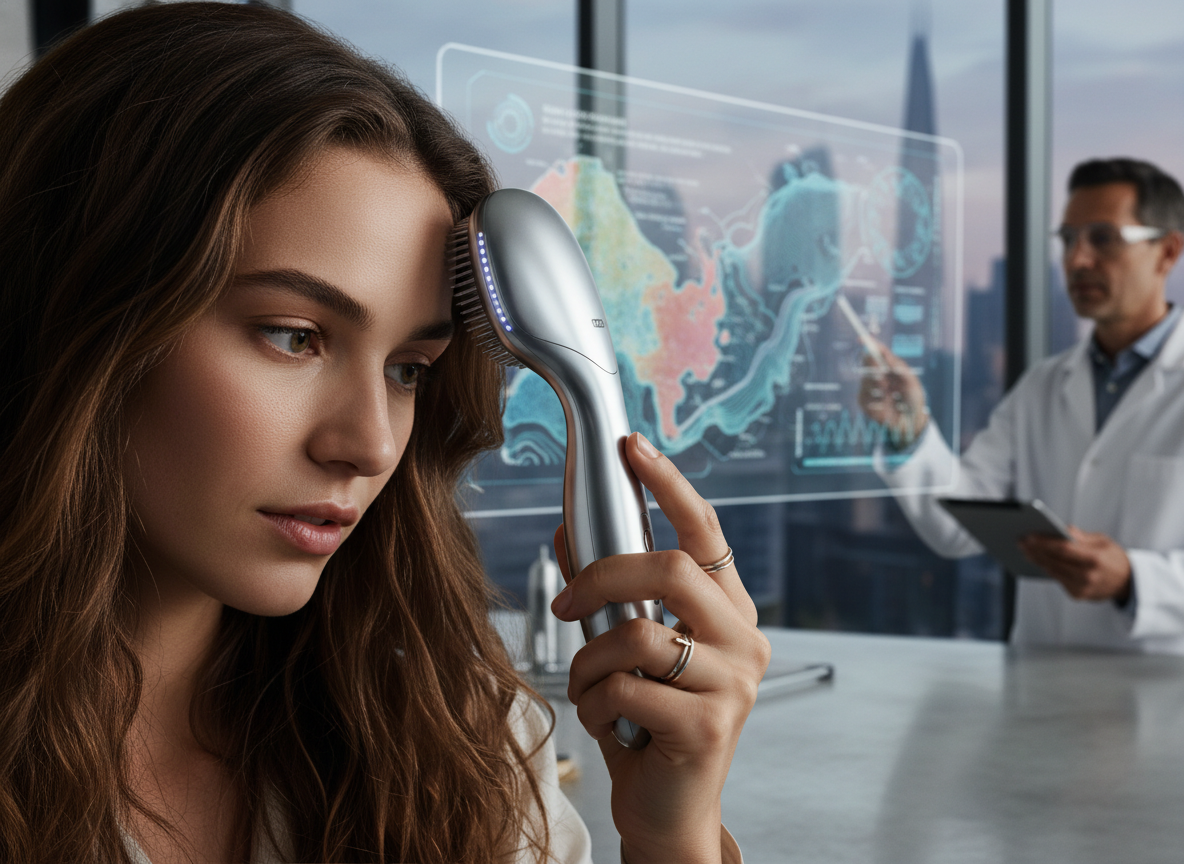
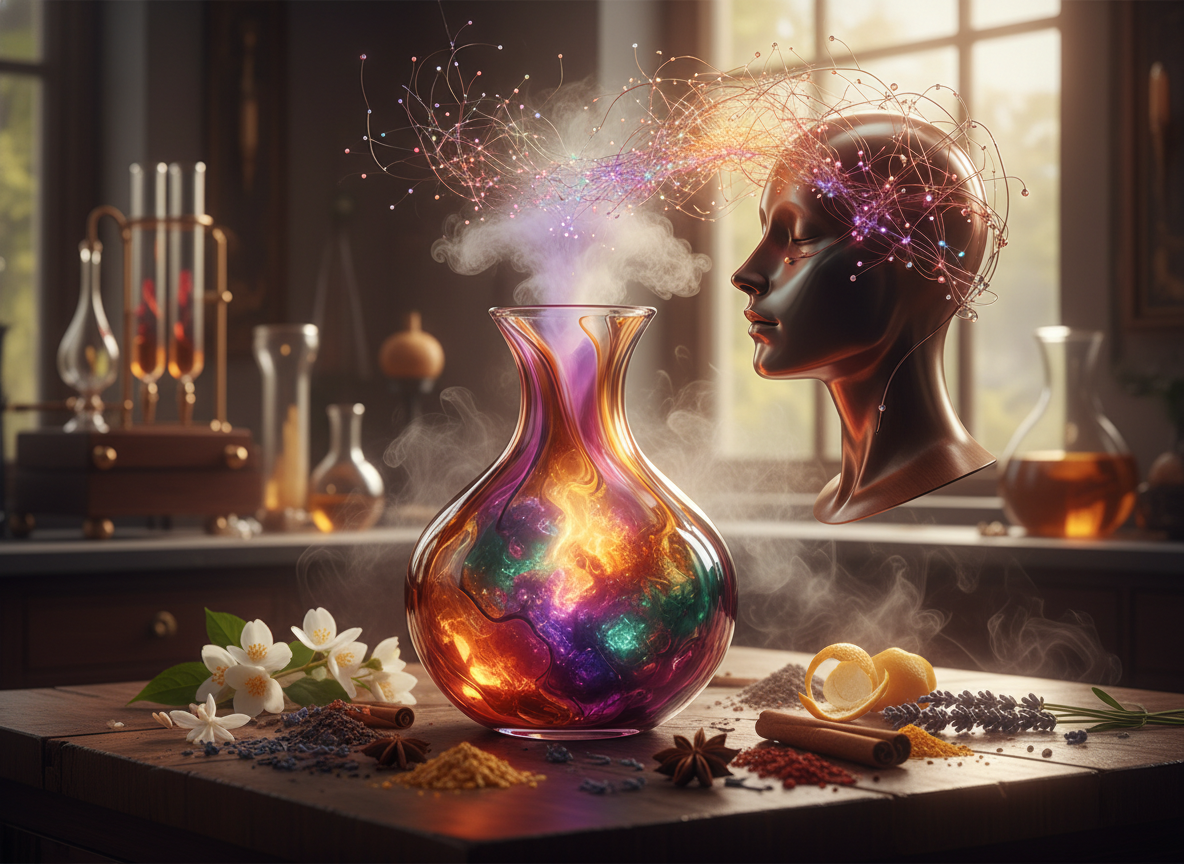
The breakthrough technology, which went mainstream this month, involves a 'Neural Mapping' consultation. Customers wear a lightweight EEG headset while being exposed to various scent molecules. The AI analyzes their brainwave patterns in real-time, identifying which notes trigger relaxation, focus, or euphoria. This data is then used to synthesize a 'Dynamic Fragrance'—a multi-layered perfume that releases different scent profiles throughout the day based on the wearer's physiological cues, such as heart rate or skin conductance.
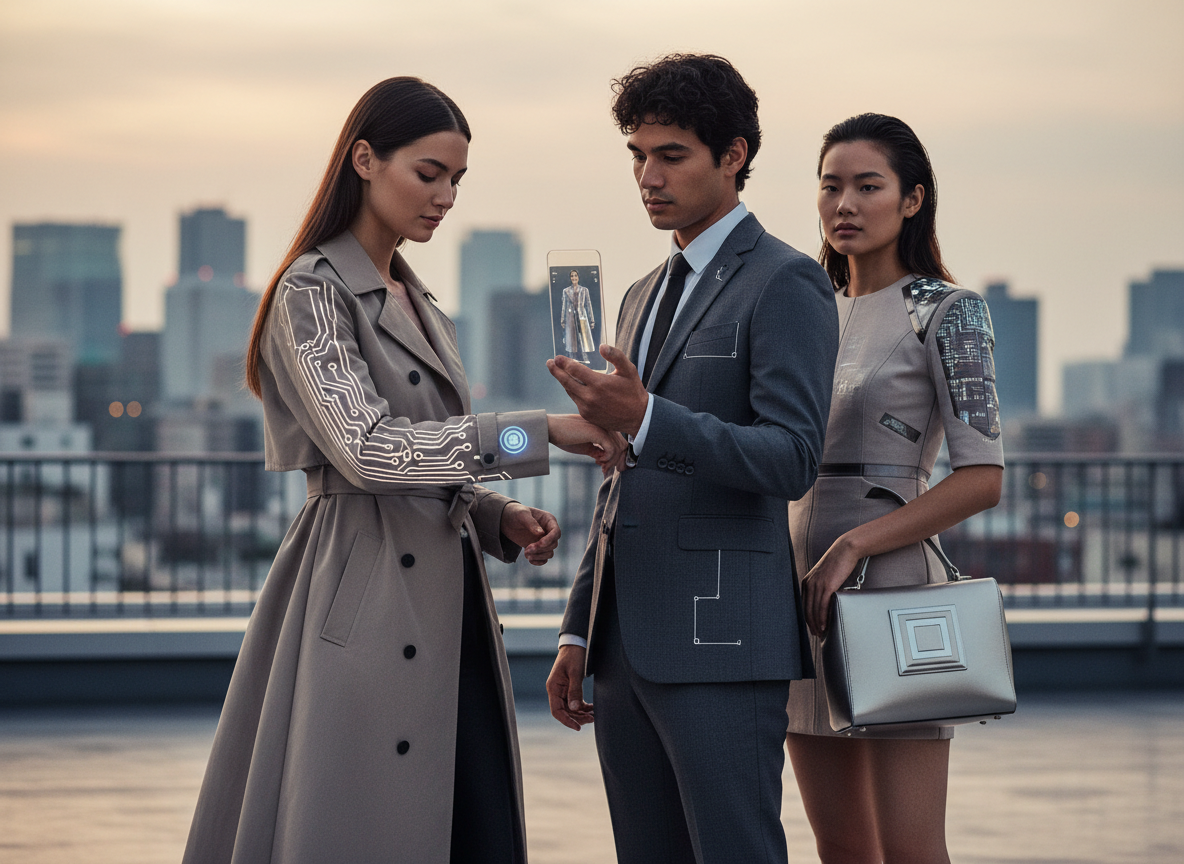
One of the most talked-about launches of March 2026 is the 'Neuro-Sync' collection by a leading tech-beauty startup. Their flagship product is a wearable 'Scent Diffuser' that resembles a high-end piece of jewelry. The device connects to the user's smartwatch and releases a 'Calm Accord' of sandalwood and proprietary synthetic molecules when it detects a spike in cortisol levels. This proactive approach to emotional regulation is transforming how we perceive the role of scent in our daily lives.
The science behind these mood-adjusting scents is grounded in the olfactory bulb's direct connection to the limbic system, the part of the brain responsible for emotion and memory. By leveraging this direct pathway, 'Neural Scenting' bypasses conscious thought to deliver immediate physiological results. In clinical trials released earlier this month, 78% of participants reported a significant reduction in social anxiety when wearing a scent profile optimized for their neural signatures.
Sustainability is also being integrated into this high-tech approach. The ingredients used in these personalized perfumes are increasingly being created through 'Molecular Upscaling'—a process that captures and replicates the scent profiles of rare or endangered botanical species without ever harvesting a single petal. This allows consumers to experience the luxury of exotic scents like wild Himalayan oud or rare Amazonian orchids while remaining entirely ethical and eco-friendly.
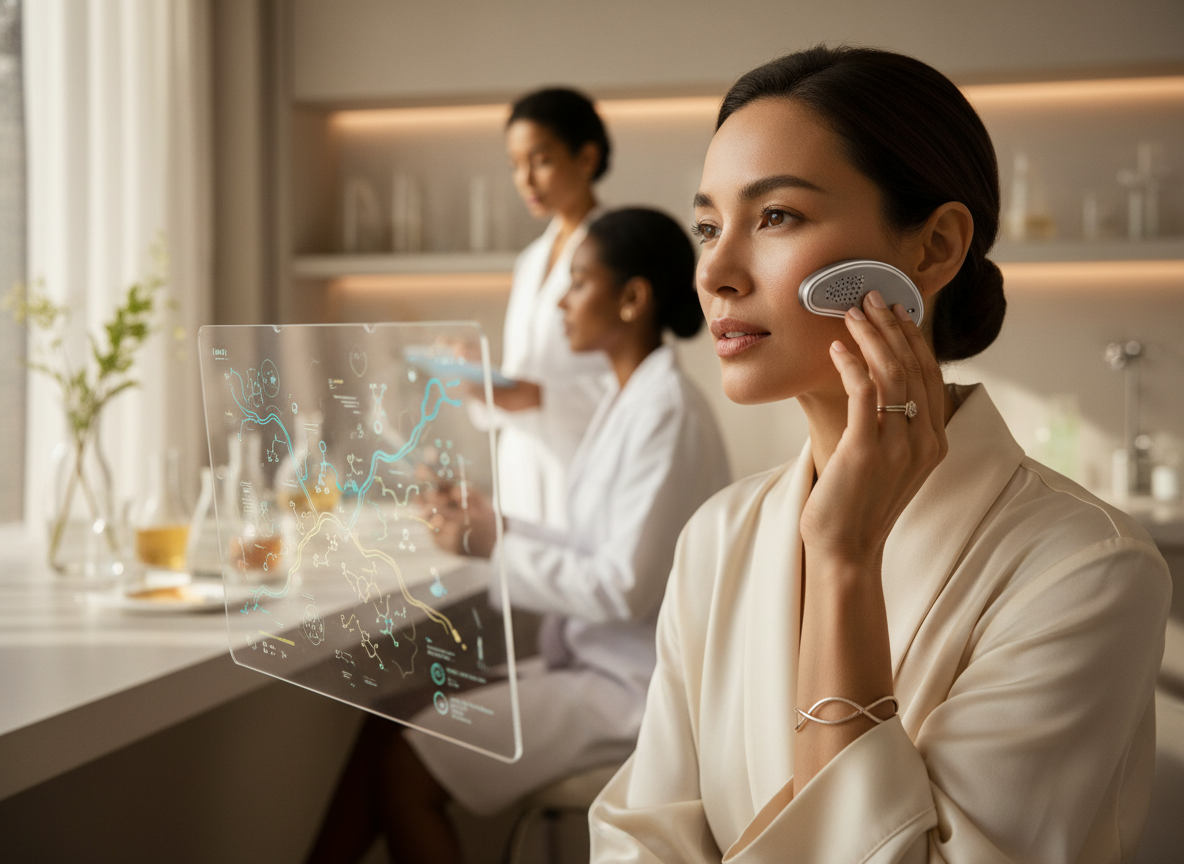
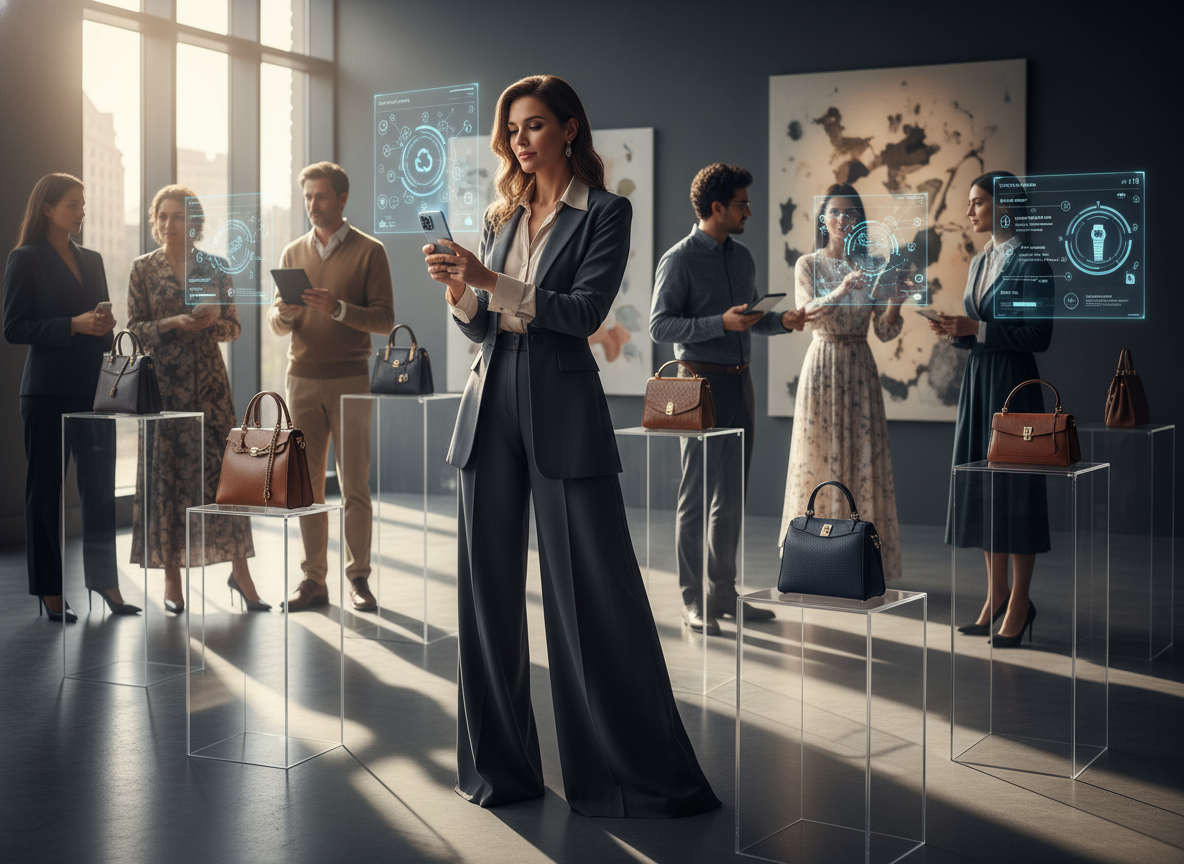
The retail experience for fragrance is also being reimagined. Several high-end department stores have debuted 'Scent Synthesis Ateliers' where the AI-driven mapping process takes place. These futuristic spaces replace the traditional perfume counter with immersive sensory pods. As the AI designs the scent, visual projections and curated soundscapes further enhance the emotional resonance of the experience, creating a multi-sensory journey that ends with a bespoke bottle of 'Neural Gold.'
Critics of the technology point to the potential for over-reliance on external emotional regulation, but proponents argue that it is simply a more sophisticated version of the aromatherapy practices that have existed for centuries. The difference in 2026 is the precision. We are no longer guessing which essential oils might help us sleep; we are using data to prove which molecular structures will trigger the release of melatonin in our specific biological makeup.
As we move further into 2026, the integration of 'Neural Scenting' into home environments is expected to be the next big trend. Imagine a smart home system that adjusts the scent of every room based on the collective mood of its inhabitants. For now, the focus remains on the individual, as personalized, mood-responsive perfumes become the ultimate accessory for the modern, tech-integrated lifestyle. The scent of the future isn't just a smell; it's a feeling.