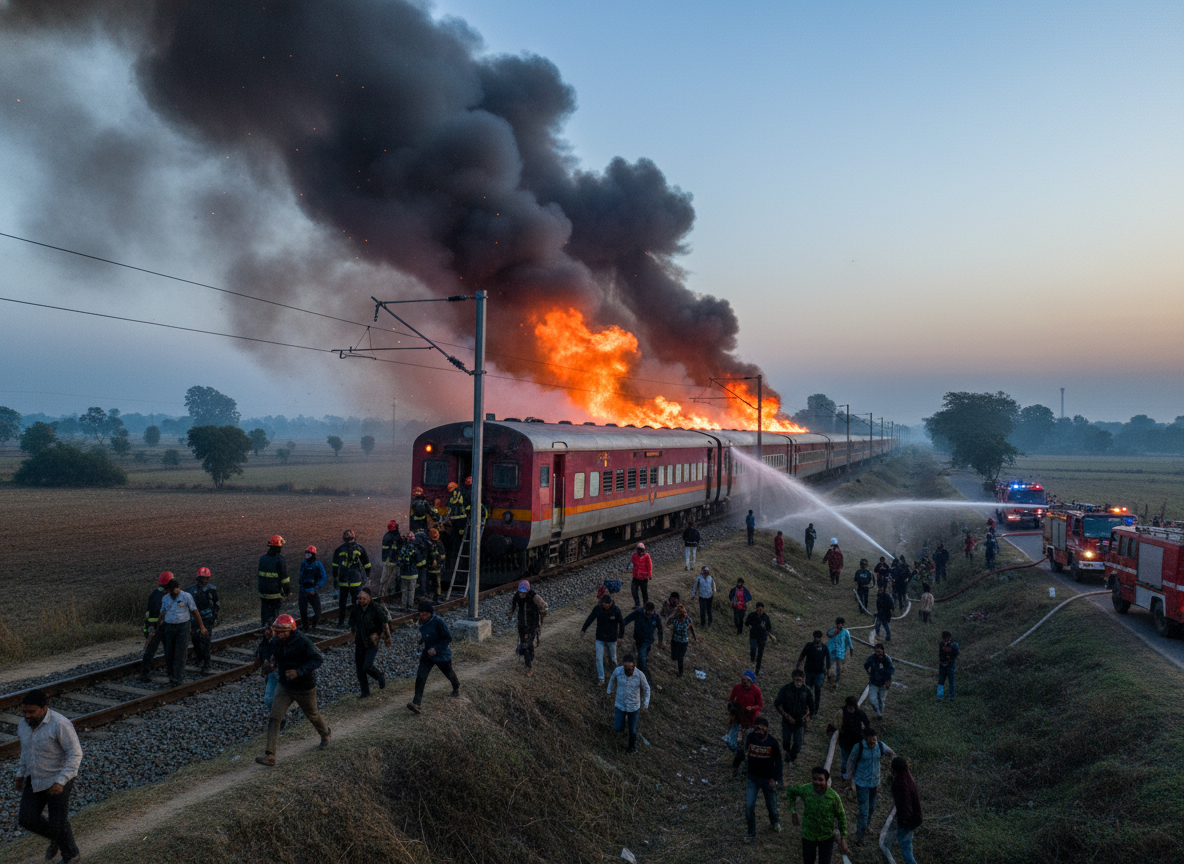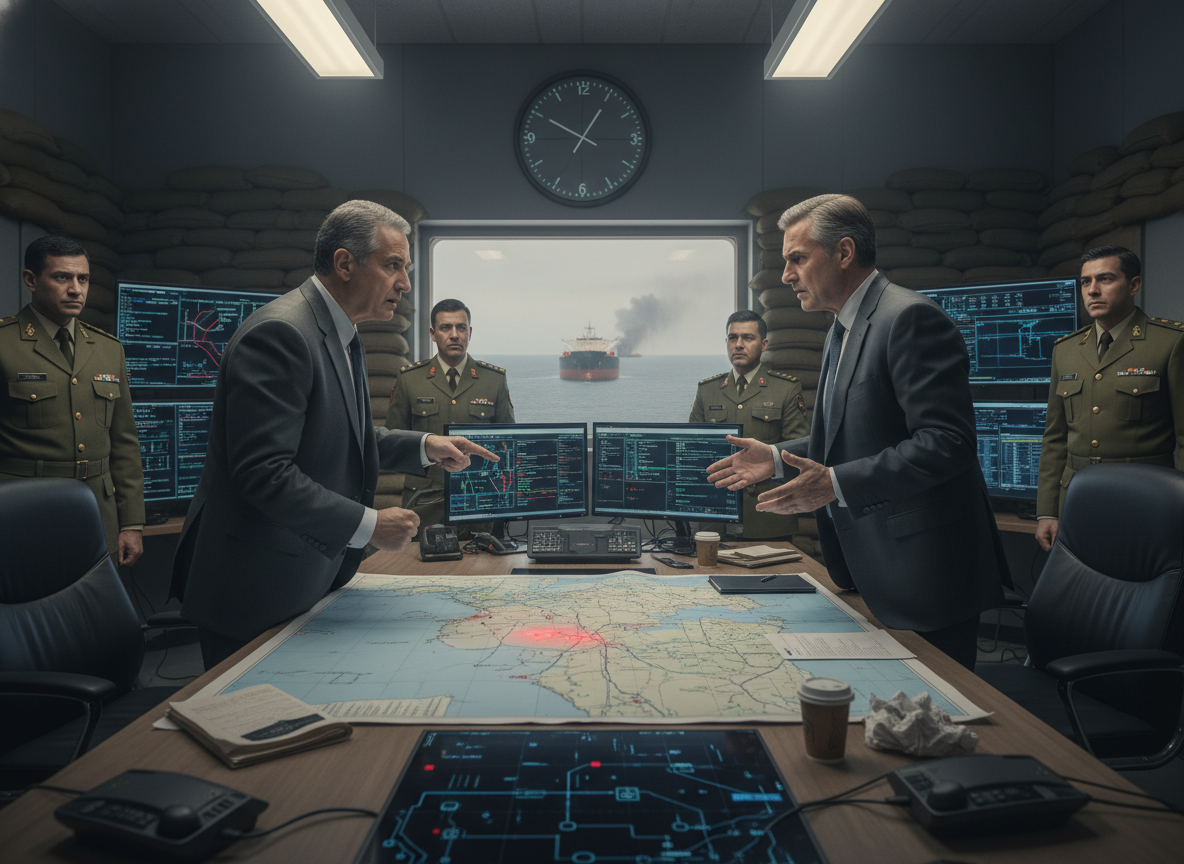
International observers are monitoring the Middle East with increasing alarm today, April 10, 2026, as a series of tactical escalations has brought the region to its most precarious state in a decade. Reports of sophisticated drone incursions and cross-border missile exchanges between major regional rivals have disrupted long-standing diplomatic efforts and triggered emergency sessions at the United Nations. The collapse of several back-channel negotiations has left a power vacuum that many fear could lead to a full-scale regional conflict involving global superpowers.
The situation intensified overnight following a confirmed strike on a strategic communications hub, which military analysts believe was a targeted attempt to blind regional defense networks. This bold maneuver has been met with immediate retaliatory threats, and for the first time in years, the threat of a wider 'Iran war' is being openly discussed by defense officials in Washington and Brussels. The involvement of non-state actors and the deployment of autonomous weapon systems have added a layer of complexity that traditional deterrence strategies seem ill-equipped to handle.
Global energy markets have reacted sharply to the volatility, with Brent crude prices surging past $110 per barrel as traders factor in the risk of supply disruptions through the Strait of Hormuz. Maritime security firms have advised commercial vessels to exercise extreme caution, and several major shipping lines have already rerouted their fleets to avoid the flashpoint zones. This sudden shift in logistics is expected to drive up global inflation just as many economies were beginning to stabilize from previous shocks.
Diplomatic efforts led by a coalition of neutral Arab nations and the European Union are currently underway in a desperate attempt to de-escalate the rhetoric before a point of no return is reached. However, the refusal of key players to engage in direct dialogue has stymied these initiatives, leaving the international community to rely on public statements that grow increasingly more aggressive. The absence of a clear mediator with influence over all parties has made the path to a ceasefire nearly invisible.
Adding to the tension is the reported movement of naval assets from both the United States and Russia into the Eastern Mediterranean, signaling that the regional conflict could quickly become a stage for broader geopolitical competition. Military analysts suggest that the deployment of next-generation electronic warfare suites by all sides has created a 'fog of war' that makes accidental escalation a very real and dangerous possibility. The world is watching to see if a miscalculation by any one party will ignite a broader firestorm.
Humanitarian organizations are also raising the alarm about the potential for massive displacement and civilian casualties if the fighting moves into more densely populated urban centers. Current conflict zones are already seeing a breakdown in essential services, including water and electricity, as infrastructure is increasingly targeted. There are urgent calls for the establishment of humanitarian corridors, but as of today, no agreements have been reached to allow for the safe passage of aid or refugees.
Technology has become a central theme in this conflict, with both sides utilizing advanced AI-driven surveillance and cyber-warfare to gain an upper hand. The frequent disruption of satellite GPS signals and the hacking of critical national infrastructure have shown that the modern battlefield extends far beyond the physical front lines. This digital dimension of the conflict has left civilian populations vulnerable to misinformation campaigns and economic sabotage, complicating the internal stability of the nations involved.
As we enter the mid-point of April 2026, the question remains whether global leaders can find the political will to prioritize stability over strategic gain. The cost of a full-scale war in the Middle East would be catastrophic, not only for the region but for the entire global economic system. The coming hours and days will be critical in determining whether the world moves toward a negotiated settlement or descends into a conflict that could redefine the geopolitical landscape for generations to come.