The global textile industry is currently undergoing its most significant transformation since the Industrial Revolution. This March, a new wave of 'Microbial Chic' has hit the mainstream, as major retailers have finally scaled the use of living organisms to color their Spring 2026 collections. By utilizing bacteria and yeast to produce pigments, the industry is effectively eliminating the need for toxic petrochemical dyes and the massive amounts of water traditionally required in the dyeing process. This isn't just a niche trend; it’s a necessary pivot for an industry under intense environmental scrutiny.
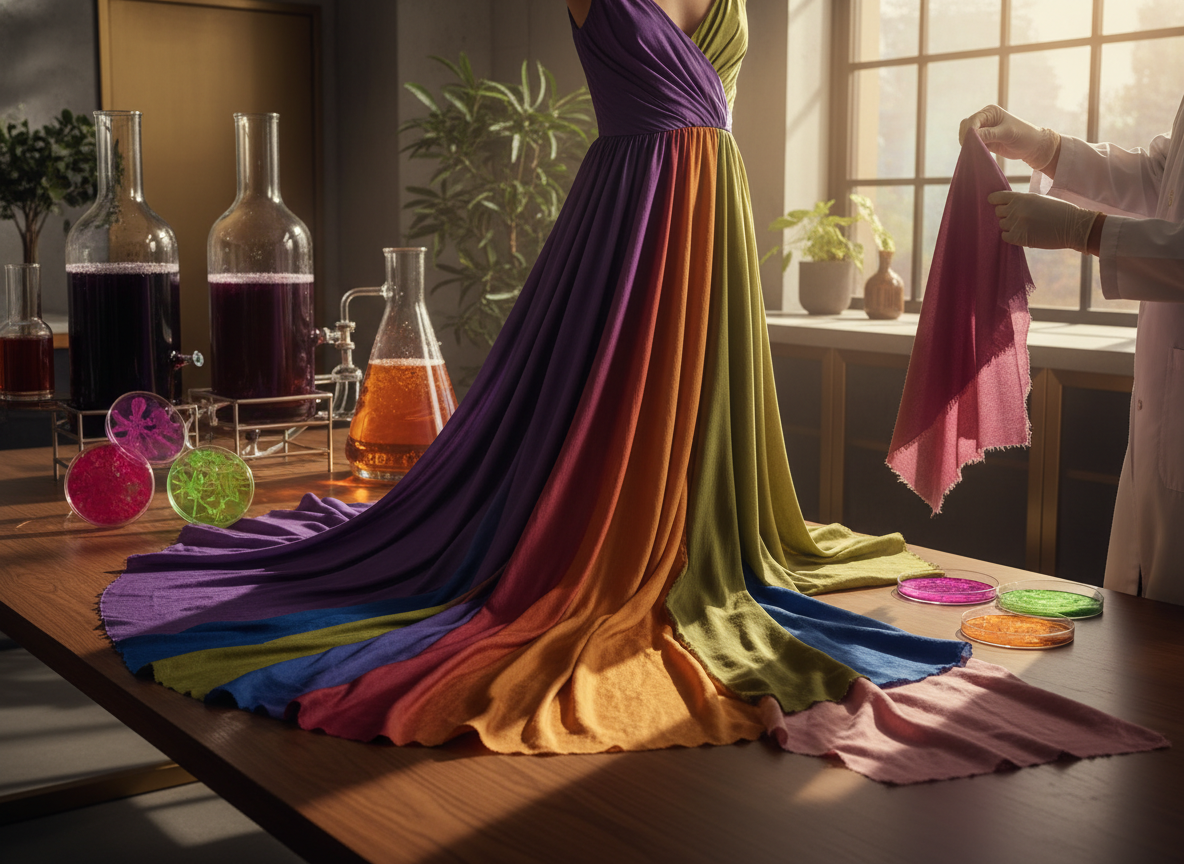
At the heart of this movement is a process known as 'Bio-fabrication.' Scientists have engineered specific strains of bacteria that naturally produce vivid pigments—ranging from deep indigos to vibrant magentas—as they consume sugar or industrial waste. Unlike traditional dyes that sit on the surface of the fiber, these microbial pigments are often integrated into the very structure of the material, resulting in colors that are more resistant to fading and require no harmful fixatives. This month, the first 'Living Color' denim line was released, showcasing a range of blues achieved with 90% less water than traditional indigo.
The aesthetic appeal of microbial dyes is also a major factor in their rapid adoption. These bio-colors have a unique depth and 'organic luminescence' that synthetic dyes struggle to replicate. Fashion critics have noted a subtle shift in the industry's color palette toward 'Earth-Centric Neons'—colors that feel both futuristic and deeply rooted in nature. This visual signature has become a status symbol for eco-conscious consumers, signaling their support for regenerative manufacturing practices.
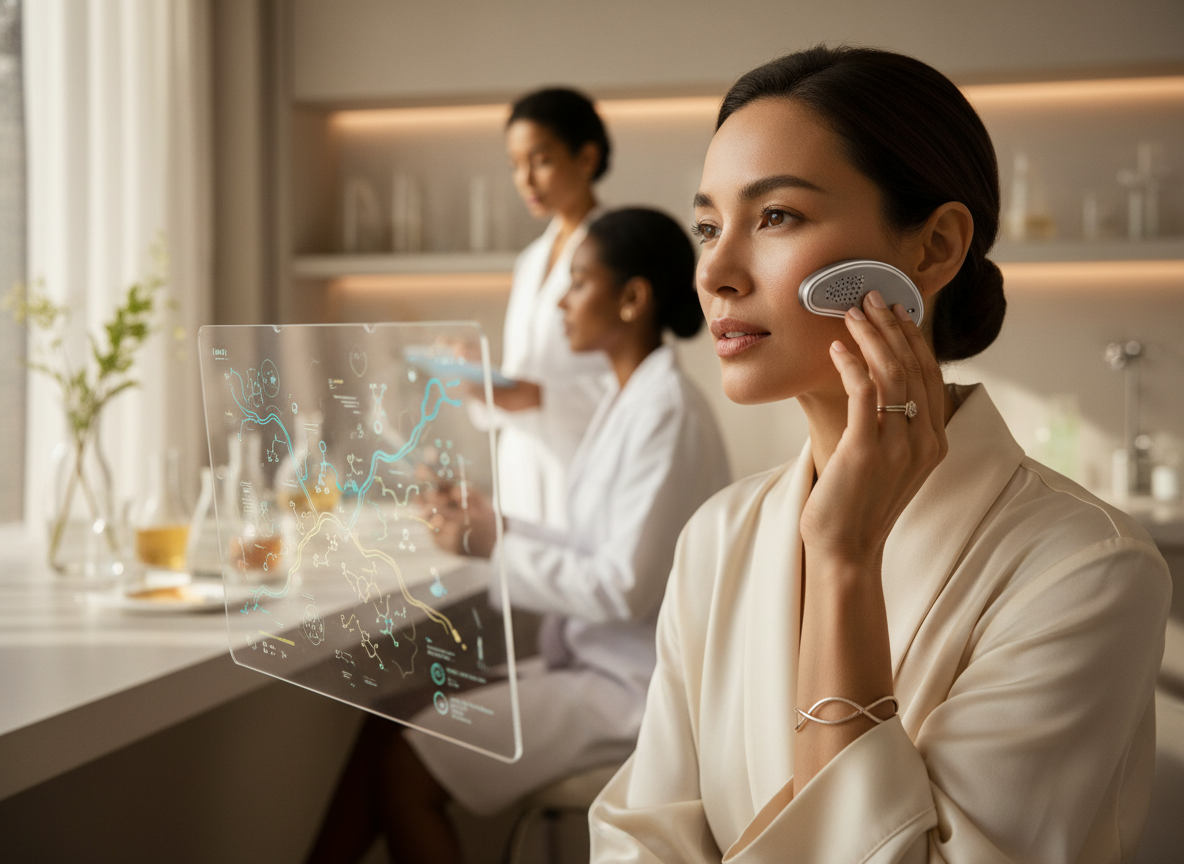
Beyond the environmental benefits, the switch to bio-dyes is also a health-conscious move. Traditional synthetic dyes often contain heavy metals and known allergens that can be absorbed through the skin. In contrast, microbial dyes are intrinsically bio-compatible and non-toxic. Several luxury brands have even begun infusing their bio-dyed fabrics with skin-beneficial compounds, such as vitamins or antioxidants produced by the same microorganisms, turning clothing into a wearable extension of a skincare routine.
Supply chain logistics are also being rewritten. Instead of shipping massive vats of chemical dyes across the globe, brands are now setting up 'Micro-Labs' near their garment factories. These labs grow the necessary bacteria on-site, drastically reducing transportation emissions and allowing for a more agile response to shifting color trends. In March 2026, we saw the first 'Real-Time Color' retail pilot, where customers could choose a custom hue for their garment and have it dyed by bio-reactors in the store's basement within 24 hours.
However, the transition has not been without its challenges. Scaling these biological processes to meet the demands of global fast fashion remains a hurdle. Maintaining the stability of living cultures across large-scale production runs requires sophisticated climate control and expertise. Despite this, the investment from venture capital into bio-textile startups has reached a record high this quarter, suggesting that the industry is fully committed to overcoming these technical barriers in favor of a sustainable future.
Consumer education is the final piece of the puzzle. Labels in 2026 now feature QR codes that allow buyers to trace the exact strain of bacteria used to dye their shirt and view the 'Water Savings Certificate' associated with that specific item. Transparency has become the ultimate luxury, and brands that cannot prove their ecological credentials are quickly losing market share to the 'Bio-Pioneers.' The message is clear: the future of fashion is grown, not manufactured.
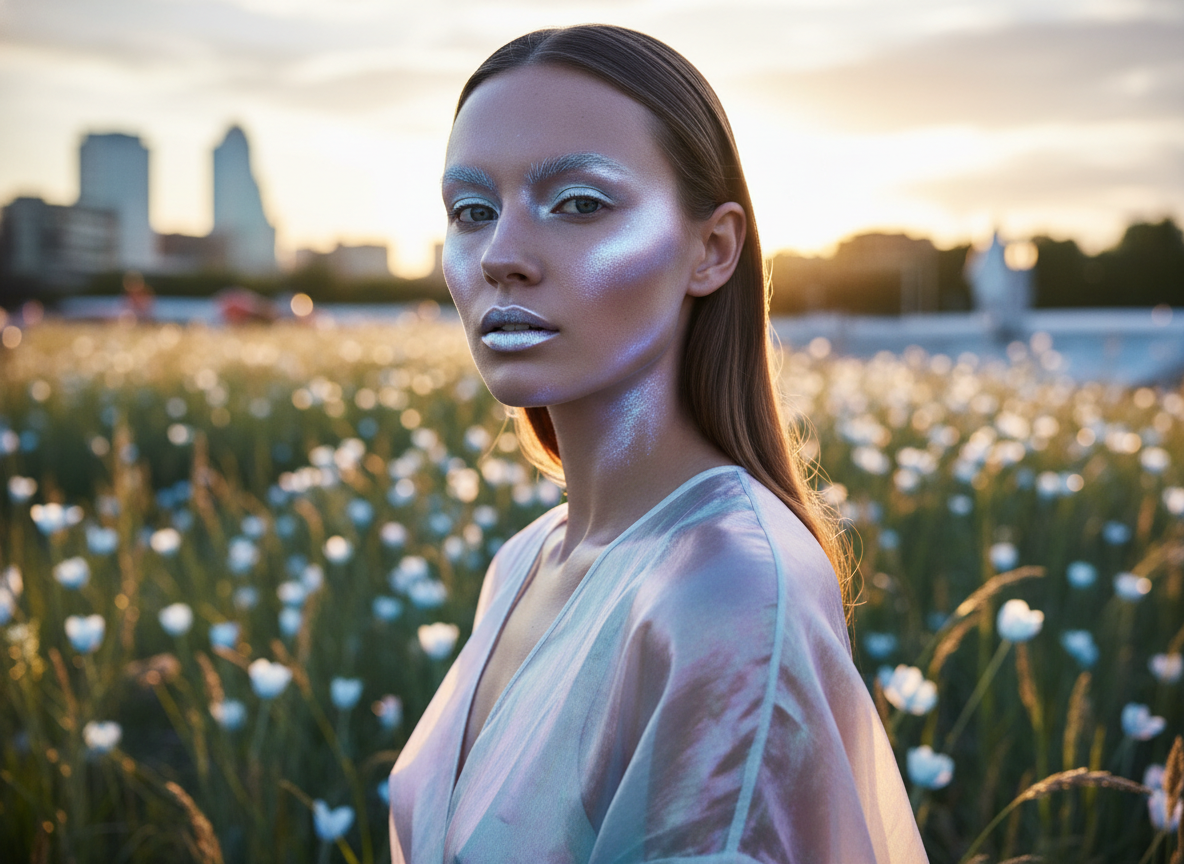
As we look ahead to the summer of 2026, the 'Microbial Chic' movement is expected to expand into the beauty sector, with bio-pigmented lipsticks and eyeshadows set to launch in late April. This cross-industry synergy highlights a broader shift toward 'Biological Harmony,' where our clothes and cosmetics work with the natural world rather than against it. We are no longer just wearing fashion; we are wearing the results of a sophisticated, sustainable biological collaboration.