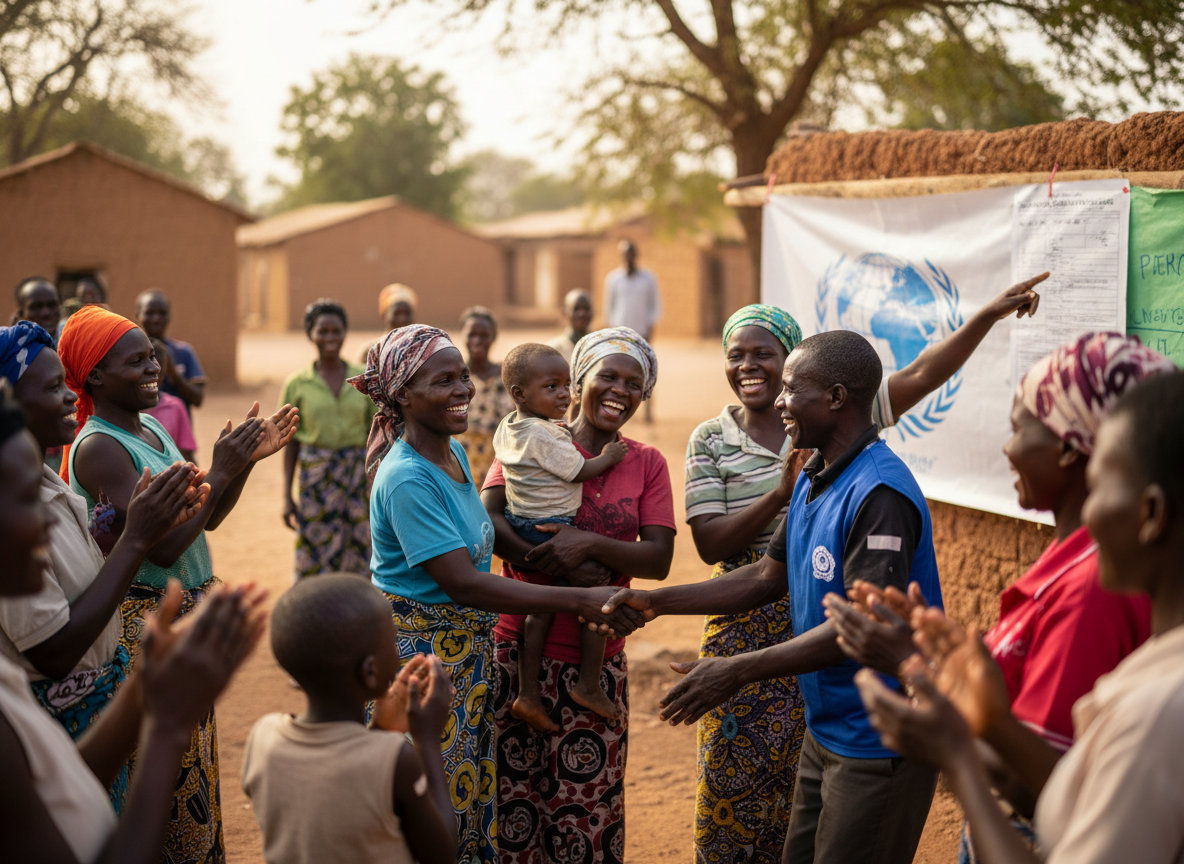
The World Health Organization (WHO) released its 2026 Global Malaria Report today, delivering what many are calling the most significant health news of the century. According to the data, malaria-related deaths and infections have dropped by an unprecedented 90% worldwide over the last 24 months. This historic decline is directly attributed to the mass distribution of the R21/Matrix-M mRNA vaccine across 40 endemic countries in Africa and Southeast Asia.
Dr. Tedros Adhanom Ghebreyesus, Director-General of the WHO, stated that we are 'on the precipice of total eradication.' For decades, malaria was the leading cause of childhood mortality in sub-Saharan Africa. Today’s report confirms that the cycle of transmission has been broken in regions that were once considered the most high-risk. The success of the vaccine rollout has exceeded even the most optimistic projections from 2024.
The mRNA technology, which gained prominence during the COVID-19 pandemic, proved to be the silver bullet for malaria. Unlike older vaccines that offered limited protection, the new mRNA-based shots provide over 95% efficacy by targeting the parasite at multiple stages of its lifecycle. The ease of manufacturing these vaccines locally in facilities in Ghana and Rwanda has ensured a steady supply and lower costs for national health programs.
Beyond the vaccine, the WHO highlighted the role of 'smart' mosquito control measures. Drones equipped with AI sensors have been used to identify and treat breeding grounds with precision, while the release of gene-edited sterile mosquitoes has crashed local populations in critical hotspots. These multi-pronged efforts have created a 'buffer zone' that prevents the disease from re-entering cleared territories.
Economic analysts suggest that the eradication of malaria will provide a massive boost to the GDP of developing nations. By reducing the burden on healthcare systems and decreasing absenteeism in schools and workplaces, the economic 'malaria tax' is being lifted. Estimates suggest that the African economy could see an additional $30 billion in annual growth as a direct result of improved public health outcomes.
Despite the celebration, the WHO warned against complacency. There are still pockets of resistance in conflict-affected regions where healthcare access remains limited. Ensuring that the final 10% of cases are addressed will require continued international funding and diplomatic efforts to reach marginalized populations. 'The last mile is always the hardest,' noted lead epidemiologist Maria Van Kerkhove.
Climate change remains a persistent threat to these gains. As global temperatures rise, the geographical range of malaria-carrying mosquitoes is expanding into previously temperate zones. However, the WHO's new surveillance network, which utilizes real-time satellite data to predict outbreaks, has so far been successful in preempting these shifts and deploying mobile vaccination units to at-risk borders.
Today’s announcement serves as a powerful reminder of what is possible when global science, political will, and philanthropic funding align. The dream of a malaria-free world, which has eluded humanity for millennia, is finally within our grasp. As children across the globe receive their final doses today, they are entering a future where one of history’s greatest killers is nothing more than a memory in a textbook.