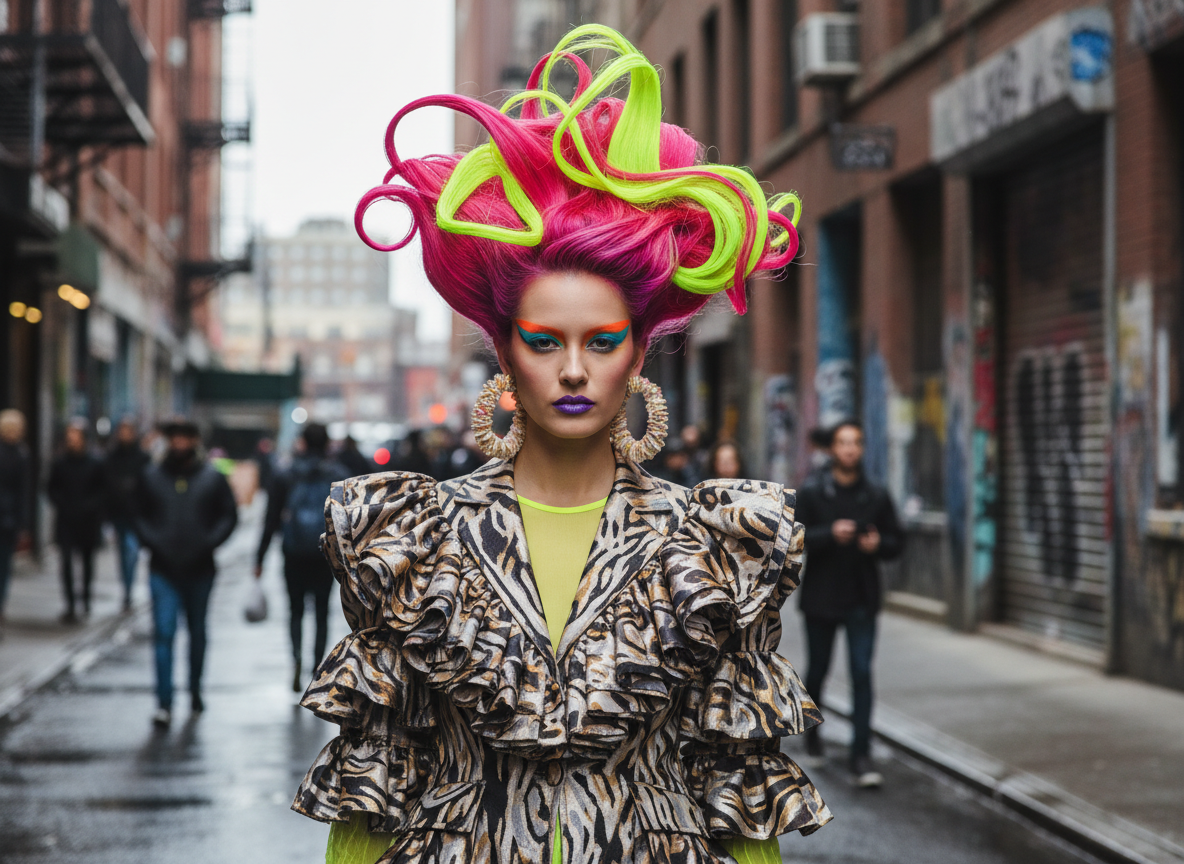
After years of the 'clean girl' aesthetic and quiet luxury dominating the beauty world, April 10, 2026, marks the definitive return of 'Hyper-Maximalism.' This trend is a vibrant explosion of color, texture, and form that draws inspiration from 1990s rave culture, futuristic cyber-punk, and traditional avant-garde artistry. On the streets of Seoul and New York this week, the shift is undeniable: beauty is no longer about looking 'natural'—it's about looking like a work of digital-age art.
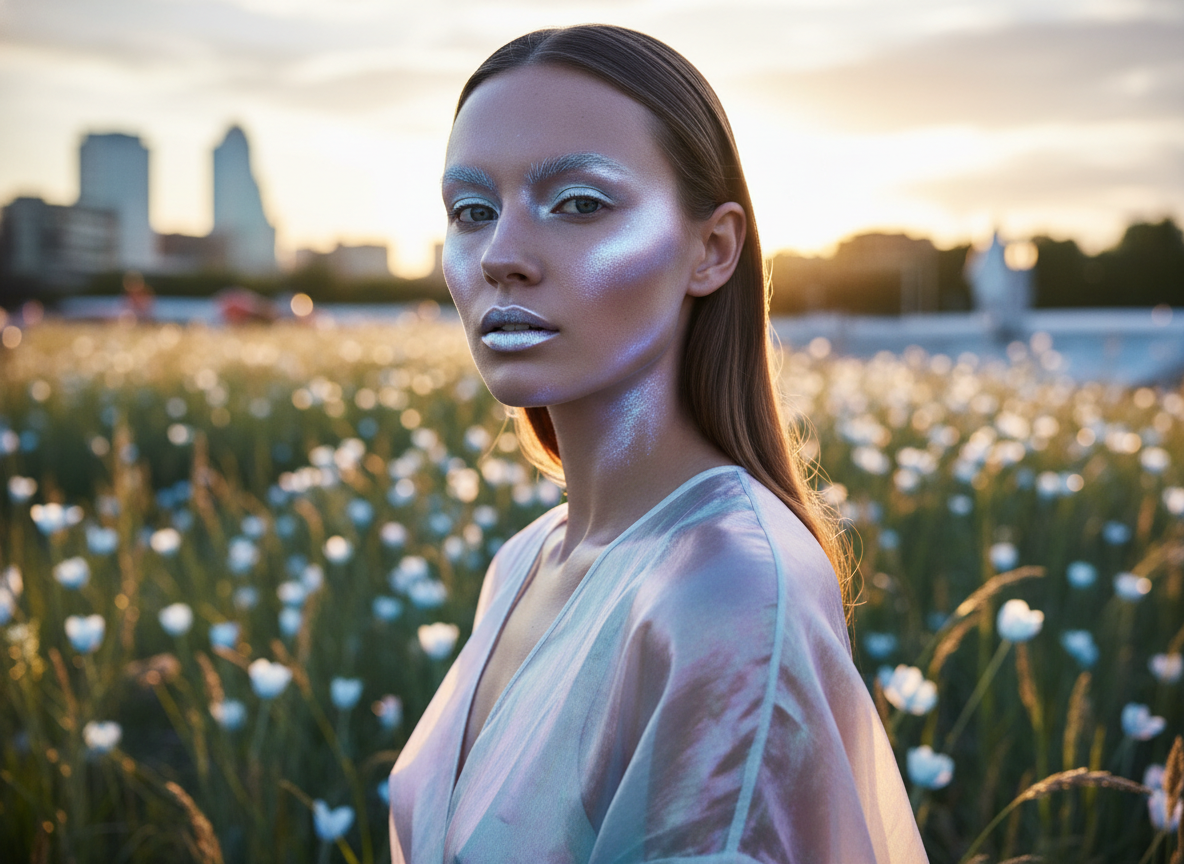
The most prominent feature of this movement is the use of 'Luminous Neon Pigments.' These are not your standard eyeshadows; they are high-intensity, bioluminescent-inspired powders that appear to glow from within. Developed using safe, synthetic fluors, these pigments are being applied in bold, geometric shapes across the eyes and cheekbones. The goal is to create a look that translates perfectly both in person and through the augmented reality (AR) filters that are increasingly integrated into our daily eyewear.
Sculptural hair is the second pillar of the Hyper-Maximalist trend. Moving away from effortless waves, the trend this April involves complex, structural styles that use 3D-printed hair accessories and biodegradable resins to defy gravity. We are seeing 'Hair-Architecture' where the tresses are shaped into crystalline structures or fluid, metallic-looking waves. This trend has been fueled by the recent 'Global Hair Summit' held earlier this week, where stylists showcased the potential of combining biological hair with synthetic structural elements.
Nail art has also taken a turn for the extreme. The 'Micro-Sculpture' trend involves creating tiny, three-dimensional scenes on each fingernail using light-cured gels. These are no longer just patterns but miniature dioramas. By April 2026, the technology for nail printing has advanced so far that these intricate designs can be applied in minutes at automated kiosks, making high-concept nail art accessible to everyone, not just those who can spend hours in a salon chair.
The philosophy behind Hyper-Maximalism is one of radical self-expression and the rejection of 'perfection' in favor of 'personality.' It is a reaction to the standardized beauty tropes of the early 2020s. In 2026, the most fashionable look is the one that is the most unique. This has led to a surge in 'custom-blend' beauty bars where consumers can create their own bespoke shades of neon lipstick or holographic highlighter, ensuring that no two people have the exact same kit.
Skincare is not left out of this maximalist wave. The trend now is 'Glow-Layering,' where multiple textures of skin finishes are used to create a multi-dimensional look. Think matte foreheads paired with 'glass-skin' cheeks and iridescent-finish temples. This creates a contoured effect using light and texture rather than traditional brown-toned bronzers. The result is a face that looks like it has been rendered in a high-end graphics engine, blurring the lines between the physical and the digital.
Critics have noted that this trend is heavily influenced by the 'Virtual Idols' who have become the new icons of the beauty world. These AI-generated celebrities are not bound by the laws of physics or biology, and their fans are increasingly using makeup and styling to emulate their impossible aesthetics. As of April 2026, the 'digital-to-physical' pipeline is the primary driver of beauty innovation, with brands racing to create real-world versions of 'meta-beauty' products.
In conclusion, Hyper-Maximalism is a celebration of the limitless possibilities of modern beauty technology and human creativity. As we move further into April 2026, the trend is expected to evolve even further, incorporating wearable tech and interactive elements into everyday looks. It is a bold, brave new world where beauty has no boundaries, and the only rule is to be as loud and as colorful as possible. The era of minimalism is over; the age of the hyper-expressive is here to stay.