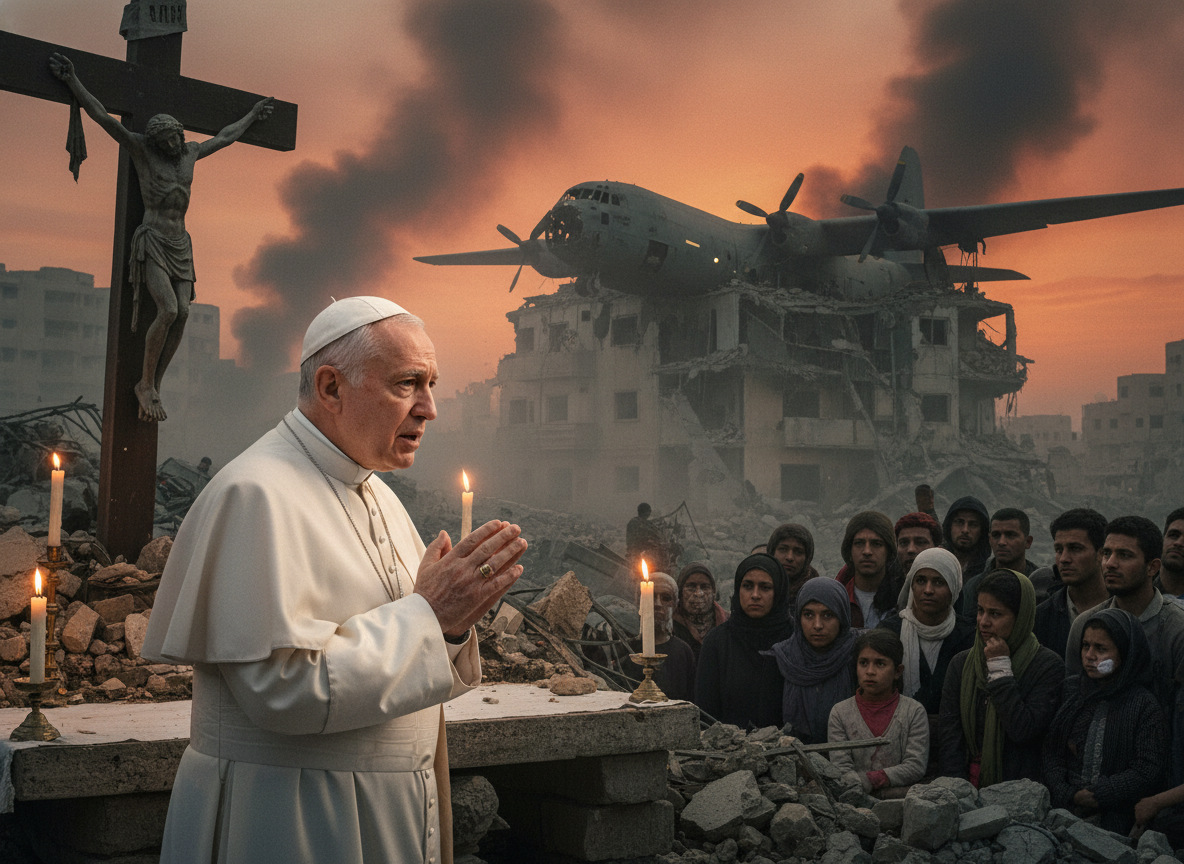
On this Easter Sunday, April 5, 2026, the global community finds itself at a precarious crossroads as the conflict between the United States, Israel, and Iran enters its second devastating month. What should have been a day of reflection and peace has instead been marked by a significant military escalation across the Middle East. Reports confirmed early this morning that a U.S. military Lockheed C-130 Hercules was shot down in the southern Isfahan province of Iran. The aircraft was reportedly engaged in a high-stakes search-and-rescue operation to recover a downed American fighter pilot. While Iranian authorities were quick to broadcast images of the wreckage, U.S. Central Command has confirmed that despite the loss of the transport craft, a Weapon Systems Officer from a previously downed F-15E was successfully recovered by elite commandos under heavy fire.
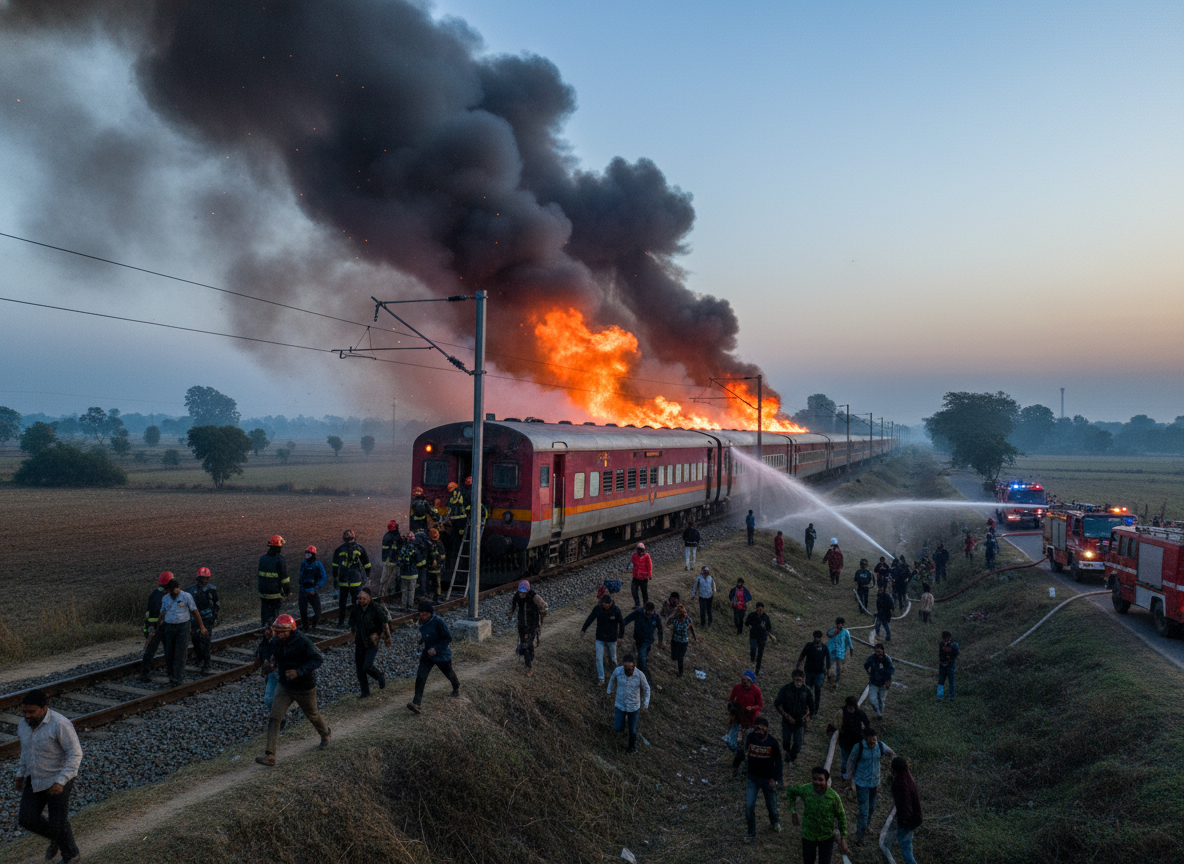
The ripples of the engagement in Isfahan have triggered a wave of retaliatory strikes across the Persian Gulf, targeting critical energy infrastructure and international shipping lanes. In a coordinated series of drone and missile attacks, Iranian forces struck facilities belonging to the Kuwait Petroleum Corporation and the Bapco Energies storage site in Bahrain, leading to massive fires that were visible from satellite imagery. Further south, the United Arab Emirates reported the successful interception of 18 ballistic missiles and dozens of drones over Abu Dhabi, though falling debris tragically caused at least one fatality at the Habshan oil facility. These developments have effectively paralyzed the Strait of Hormuz, through which one-fifth of the world’s oil supply typically flows, sending global energy markets into a state of unprecedented volatility.
In Washington D.C., the domestic atmosphere is equally strained. The Secret Service is currently investigating reports of gunfire near the White House in Lafayette Park that occurred shortly after midnight. While President Donald Trump remained at the executive mansion throughout the incident, security cordons have been tightened across the capital. The administration has reiterated its '48-hour ultimatum' to Tehran, demanding a cessation of hostilities and a return to the negotiating table or face what the President described as 'all-out consequences.' This heightened state of alert comes as the Second Trump Administration navigates internal shifts, including the recent dismissal of the Attorney General and ongoing changes within the Department of Defense leadership.
Amidst this backdrop of fire and steel, Pope Leo XIV, the first American-born pontiff, delivered his historic first Easter Mass from a flower-laden St. Peter's Square. Addressing a crowd of tens of thousands, the Pope used his 'Urbi et Orbi' message to issue a blistering critique of the 'idolatry of profit' and the 'senseless violence' that characterizes the current global landscape. Calling specifically for a ceasefire in both the Middle East and the ongoing campaign in Ukraine, Leo XIV urged world leaders to listen to the 'cry of pain' rising from the most vulnerable populations. His message, which emphasized hope over the 'darkness of war,' resonated deeply with a global audience watching via digital streams, even as connectivity in some conflict zones remains sporadic due to infrastructure damage.
The geopolitical fallout has extended deep into Southeast Asia and Europe. Indonesia has officially called for an urgent United Nations Security Council investigation into attacks on UN peacekeepers in Lebanon, following an explosion that injured several personnel on April 3. Late yesterday, the Indonesian military repatriated the bodies of three fallen peacekeepers, a somber reminder of the human cost of the broadening regional war. Meanwhile, in Europe, Czech authorities have filed terrorism-related charges against suspects linked to an arms factory arson in Pardubice, suggesting that the shadow of the conflict is manifesting in hybrid warfare tactics across the continent. These events have prompted a surge in security measures at major transit hubs and religious sites throughout the Easter weekend.
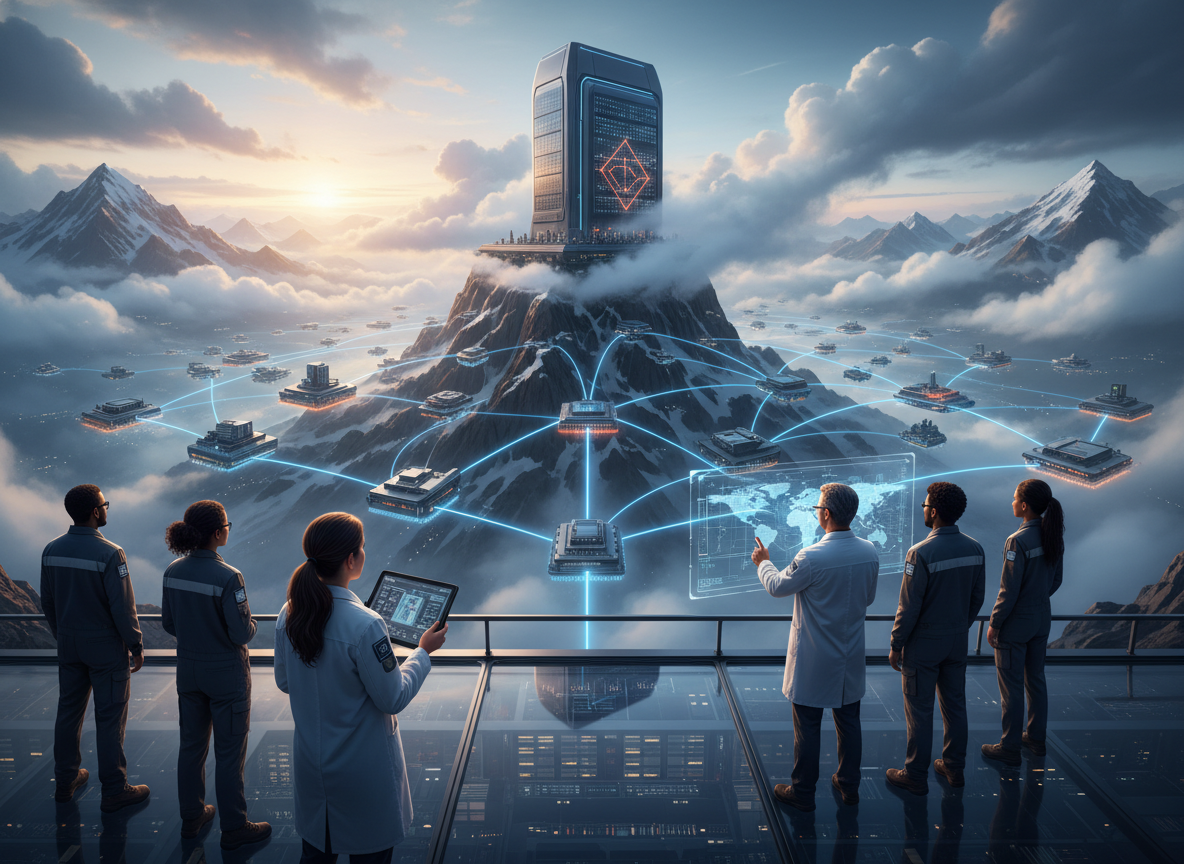
In a surreal juxtaposition to the day's military headlines, the scientific community announced a breakthrough that could fundamentally alter the future of global energy security. Researchers at RMIT University, in collaboration with CSIRO, published findings today on a functional prototype of a 'quantum battery.' Unlike traditional chemical-based batteries, this quantum device utilizes the principles of superposition to achieve near-instantaneous charging. Crucially, the study indicates that these batteries actually become more efficient as they scale up in size, flipping the conventional rules of thermodynamics. While still in the proof-of-concept stage, the timing of the announcement highlights the urgent global push for energy independence as oil-producing regions remain engulfed in active combat.
Sports and cultural events have also been impacted by the prevailing tensions, though many continue as a form of national resilience. In Phoenix, the NCAA Women’s National Championship between South Carolina and UCLA is set to take place this evening under heightened security protocols. The game, which represents the pinnacle of a record-breaking season for women's basketball, serves as a brief distraction for millions of Americans. Similarly, the professional sports world remains active with the MLB season in full swing and the NHL playoffs approaching, though travel schedules for international athletes have been complicated by the closure of various regional airspaces in the Eastern Hemisphere.
As the sun sets on April 5, 2026, the eyes of the world remain fixed on the 48-hour deadline set by the White House. The confluence of a major religious holiday, a historic papal address, and a terrifying escalation in military technology and conflict has created a moment of historical gravity. Whether the coming days will bring a de-escalation through the reported back-channel mediation by regional powers or a descent into a wider global conflagration remains the defining question of the hour. For now, the global public remains on edge, caught between the promise of technological breakthroughs and the immediate reality of a world at war.