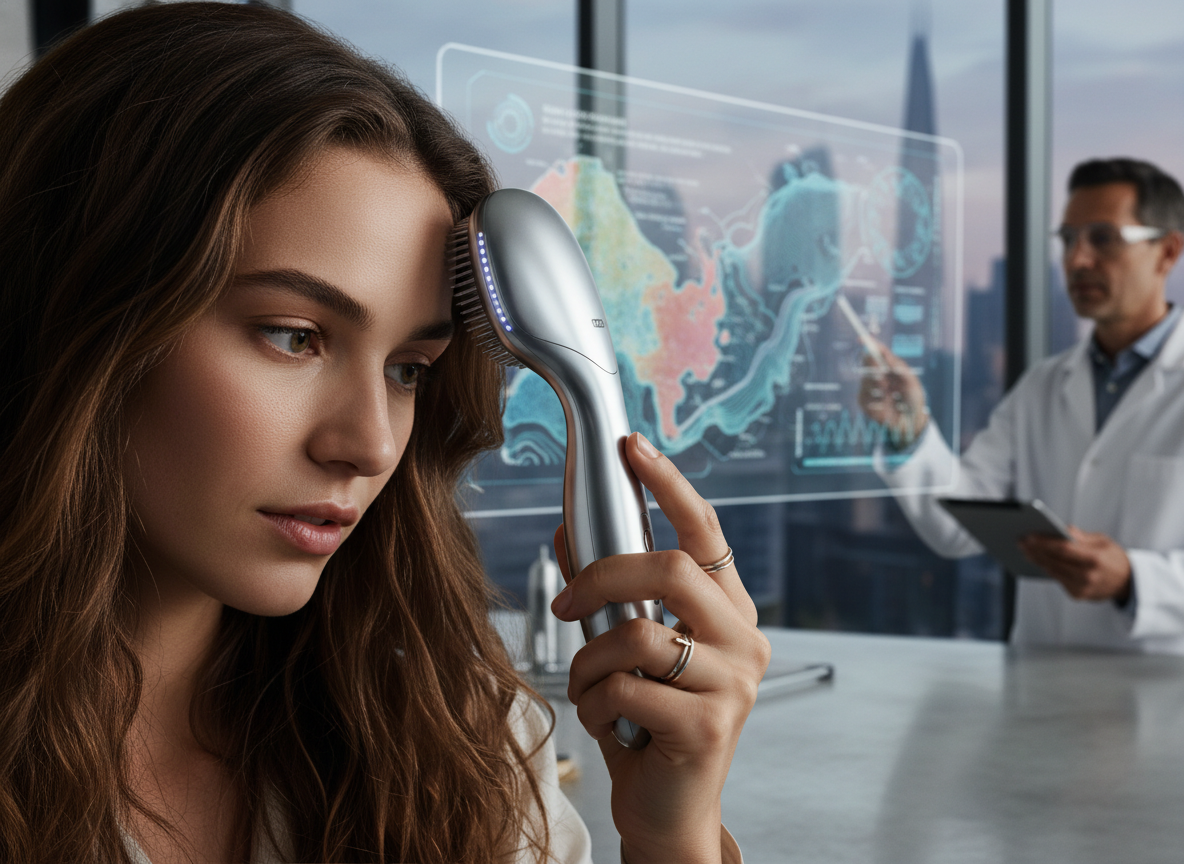
For decades, Retinol reigned supreme as the gold standard of anti-aging. However, as of March 31, 2026, a new titan has emerged in the dermatological landscape: Exosomes. These microscopic extracellular vesicles, which act as the 'messaging system' between cells, are at the heart of the regenerative beauty movement. Unlike traditional ingredients that simply stimulate the surface, exosomes work at a fundamental cellular level to instruct skin cells to behave like their younger, healthier selves. This is the era of biological age-reversal, not just symptom management.
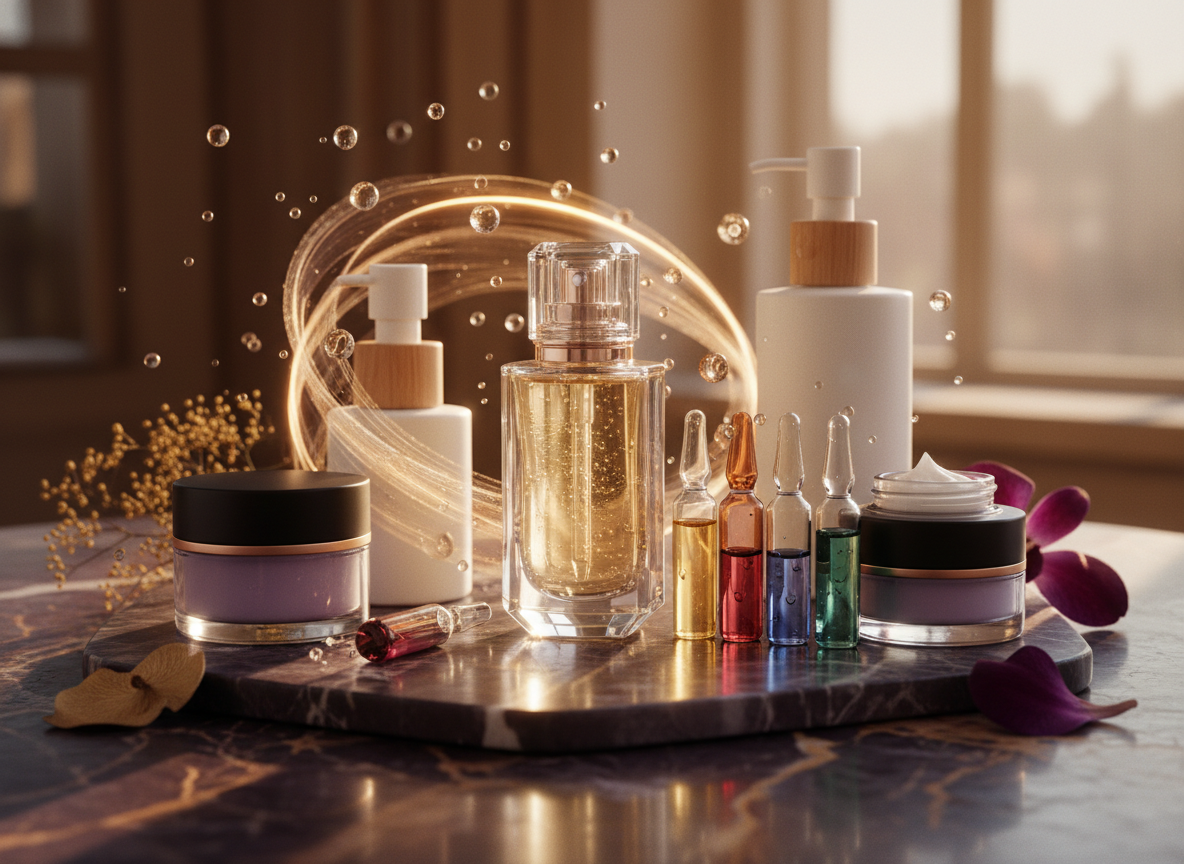
The surge in exosome popularity this month follows the landmark FDA clearance of several 'Shelf-Stable' exosome serums. Previously, these powerful messengers required cryogenic storage and were only available in clinical settings. New breakthroughs in lyophilization (freeze-drying) and nano-encapsulation have allowed luxury brands to bring professional-grade regenerative technology into the consumer’s bathroom. This month's launch of the 'Exo-Glow' line saw record-breaking pre-orders, signaling a massive shift in consumer expectations.
What makes exosomes so revolutionary is their ability to carry a diverse cargo of proteins, lipids, and RNA directly into target cells. While a traditional cream might sit on top of the skin, exosomes are small enough to penetrate the deeper dermal layers. Once there, they deliver 'repair instructions' that can boost collagen production by up to 300% and significantly accelerate the healing of sun-damaged tissue. Dermatologists are calling this 'the most significant advancement in topical therapy since the invention of sun protection.'
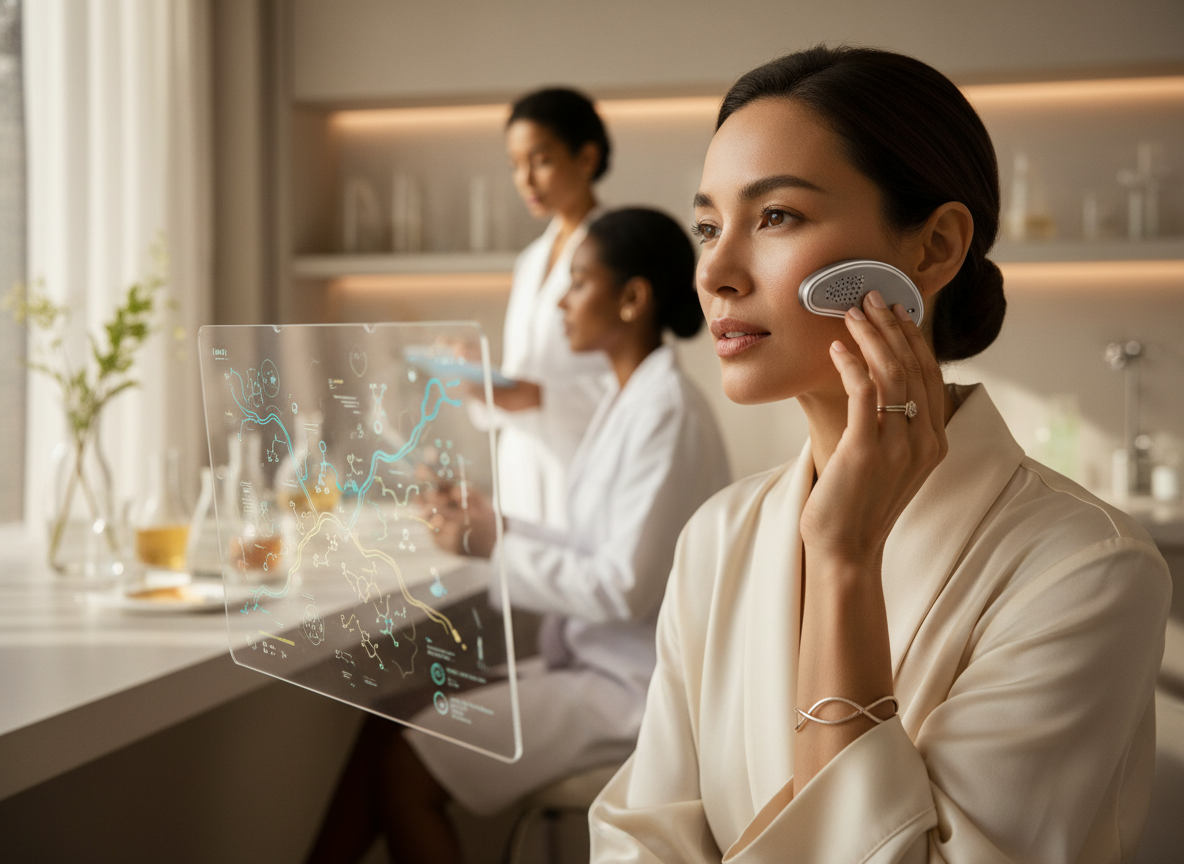
In the professional sector, 'Exosome Facials' have become the most requested treatment in March 2026. These procedures often combine micro-needling with high-concentration exosome serums to maximize absorption. The recovery time for such treatments has been slashed from days to hours, as the exosomes immediately begin the work of down-regulating inflammation and repairing the skin barrier. This 'Instant Recovery' aspect has made regenerative treatments accessible to a much broader demographic of busy professionals.
The source of these exosomes is a major point of discussion in the industry. While early versions were derived from human stem cells, the 2026 market is dominated by 'Plant-Derived Bio-Identical Exosomes.' Scientists have identified specific botanical sources—such as rare alpine roses and resilient desert succulents—that produce vesicles capable of triggering the same regenerative pathways in human skin. This shift has addressed both ethical concerns and potential allergic reactions, making exosome skincare safer and more sustainable.
Beyond anti-aging, exosomes are showing incredible promise in treating chronic skin conditions like rosacea and eczema. By delivering anti-inflammatory signals directly to the immune cells in the skin, these products are providing long-term relief for millions who have previously relied on steroid creams. This crossover between 'Medical' and 'Beauty' is a defining characteristic of the 2026 market, as the line between clinical dermatology and daily skincare continues to blur into a single 'Skin Health' category.
The cost of these high-tech formulas remains high, but prices are beginning to stabilize as production scales. This March, we've seen the first 'Mid-Market' exosome treatments hit the shelves of premium drugstores, making the technology accessible beyond the ultra-luxury segment. Industry analysts predict that within two years, exosomes will be as common an ingredient as hyaluronic acid, completely reshaping the global skincare hierarchy and pushing older ingredients into obsolescence.
As we conclude the first quarter of 2026, the message from the beauty industry is clear: the future is regenerative. We are no longer satisfied with masking the signs of aging; we want to fix the underlying cellular mechanisms that cause them. With exosomes leading the charge, the goal of 'Timeless Skin' is moving from a marketing promise to a biological reality. The next decade of beauty will be defined by how well we can speak the language of our cells, and right now, exosomes are doing the talking.