As of April 7, 2026, the beauty industry has officially moved beyond the era of generic product recommendations into the realm of hyper-personalization powered by real-time biometric data. The traditional method of choosing products based on broad skin types—oily, dry, or combination—is being replaced by sophisticated AI-driven analytics that monitor the skin's physiological state minute-by-minute. These advancements allow consumers to address concerns like oxidative stress and hydration levels before they even become visible to the naked eye.
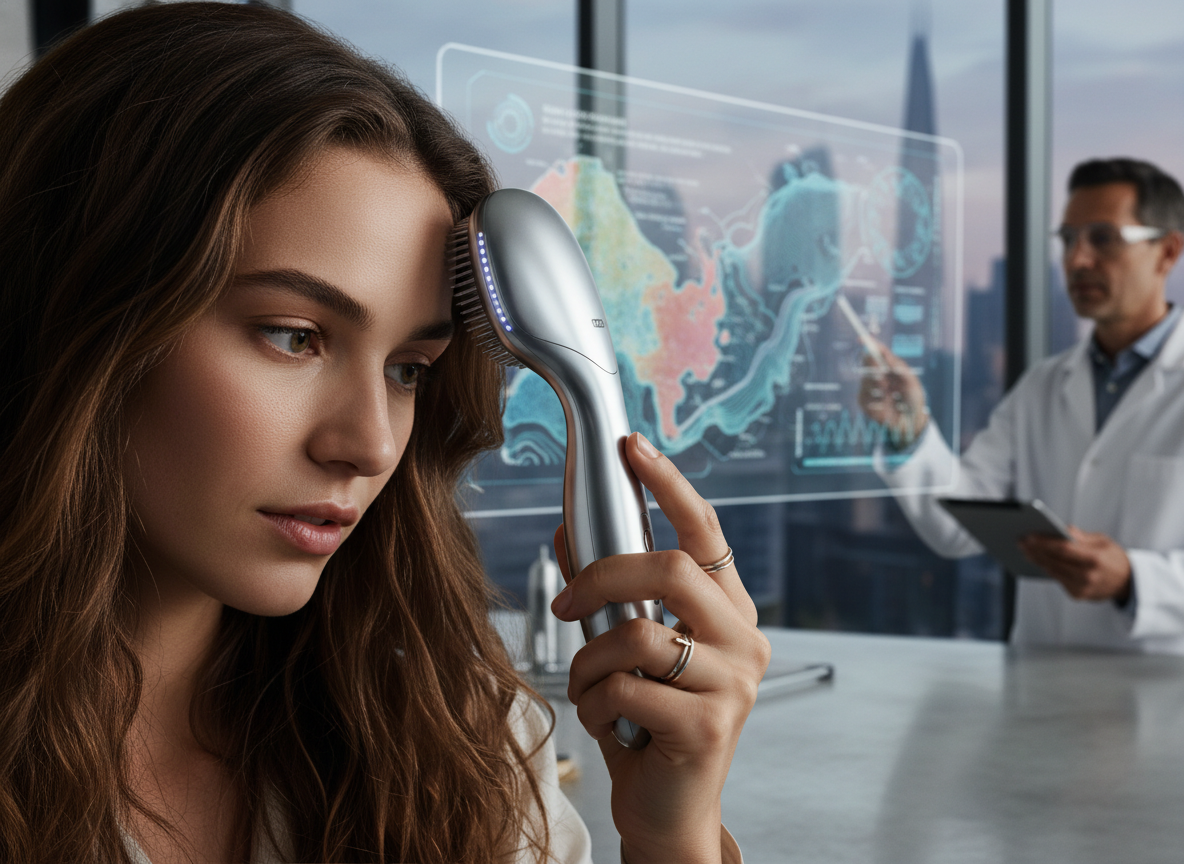
The centerpiece of this revolution is the widespread adoption of 'smart patches' and IoT-integrated vanity mirrors that utilize multispectral imaging. These devices analyze the skin's deeper layers to detect early signs of inflammation and collagen degradation. By syncing this data with a smartphone app, users receive a daily 'Skin Readiness Score,' which dictates exactly which active ingredients should be applied that morning. This level of precision ensures that the skin barrier is never overwhelmed by unnecessary chemicals, focusing instead on what is biologically required at that exact moment.
A major breakthrough announced today by leading biotech firms involves 'Adaptive Peptides' that respond to the skin's pH and temperature. These lab-engineered molecules change their structure to deliver more or less moisture or antioxidant protection based on environmental triggers such as sudden UV spikes or urban pollution levels. This ensures that a single serum can function differently in a climate-controlled office than it does during a humid commute, marking a significant leap in formulation intelligence.
Microbiome mapping has also reached a new pinnacle of accuracy this spring. New consumer kits now provide a genomic breakdown of the skin's bacterial ecosystem within seconds, identifying specific strains that may be causing localized acne or sensitivity. With this information, custom-compounded probiotic mists are generated on-demand at home via compact countertop 'Beauty Lab' devices. This shift toward microbial balance over harsh sterilization is proving to be the most effective way to maintain long-term skin health.
Data privacy remains a central topic in the beauty tech space as of early 2026. With personal biometric data being uploaded to the cloud, manufacturers are implementing decentralized blockchain storage to ensure that a user’s facial scans and health markers remain private. This 'Beauty-ID' system allows consumers to share only the necessary data points with brands to receive personalized products while maintaining full ownership of their biological information, setting a new standard for ethical tech in the vanity.
The sustainability aspect of these technologies is equally impressive. Instead of purchasing multiple bottles of different creams, consumers are now investing in 'Universal Bases' and concentrated 'Active Cartridges.' The smart mirrors tell the dispensing device exactly how many drops of each active ingredient to mix into the base. This reduces plastic waste by an estimated 70% compared to 2024 standards, as the cartridges are fully recyclable and last much longer than traditional pre-mixed products.
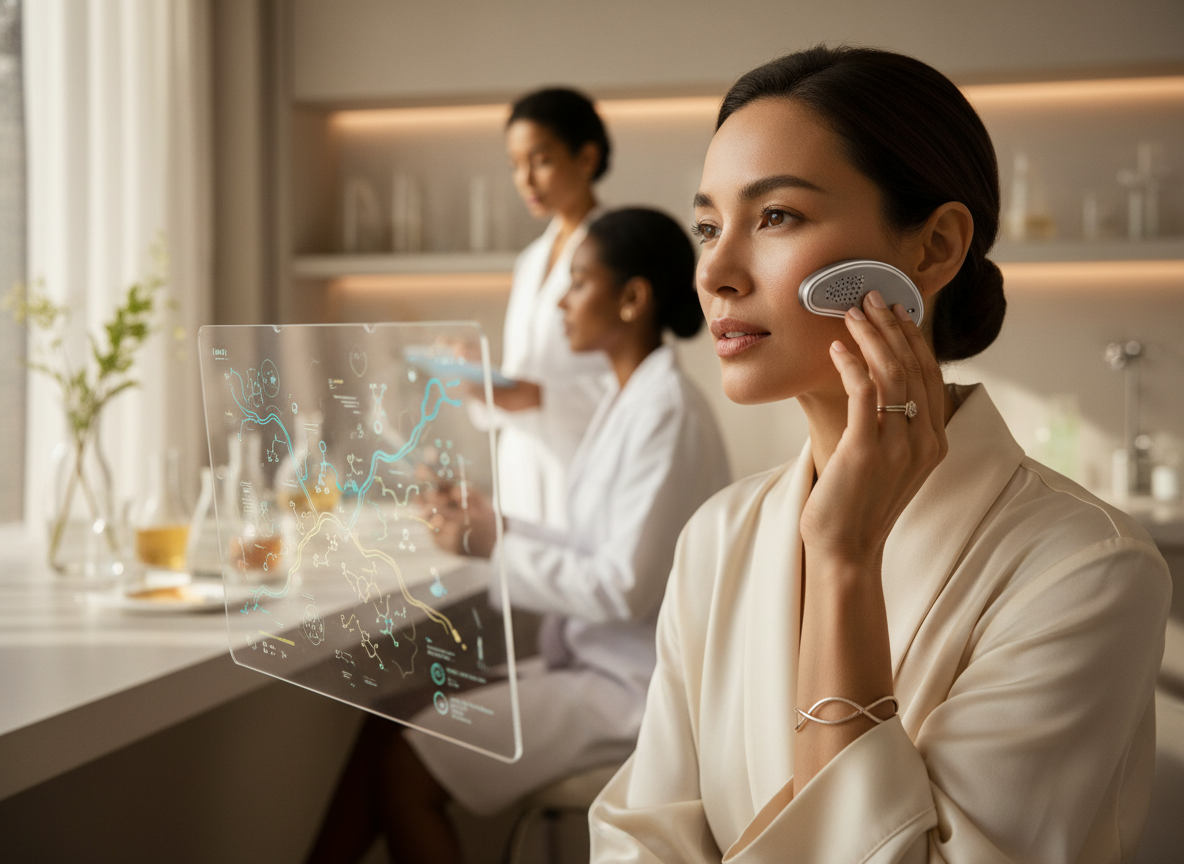
Professional clinical results are now more accessible than ever through the 'Home-Clinic' movement. The launch of localized transdermal delivery devices that use painless micro-pulsations allows high-molecular-weight ingredients like stabilized hyaluronic acid and growth factors to penetrate deeper into the dermis without a visit to the dermatologist. This democratization of high-end skincare treatments is redefining the expectations for daily maintenance and long-term anti-aging strategies.
In conclusion, the landscape of beauty in April 2026 is defined by a seamless integration of biology and technology. We are no longer guessing what our skin needs; we are listening to its digital voice. As these biometric tools become even more affordable, the focus will continue to shift toward preventative wellness, ensuring that the next generation of skincare is not just about looking good, but about the fundamental health of our body's largest organ.