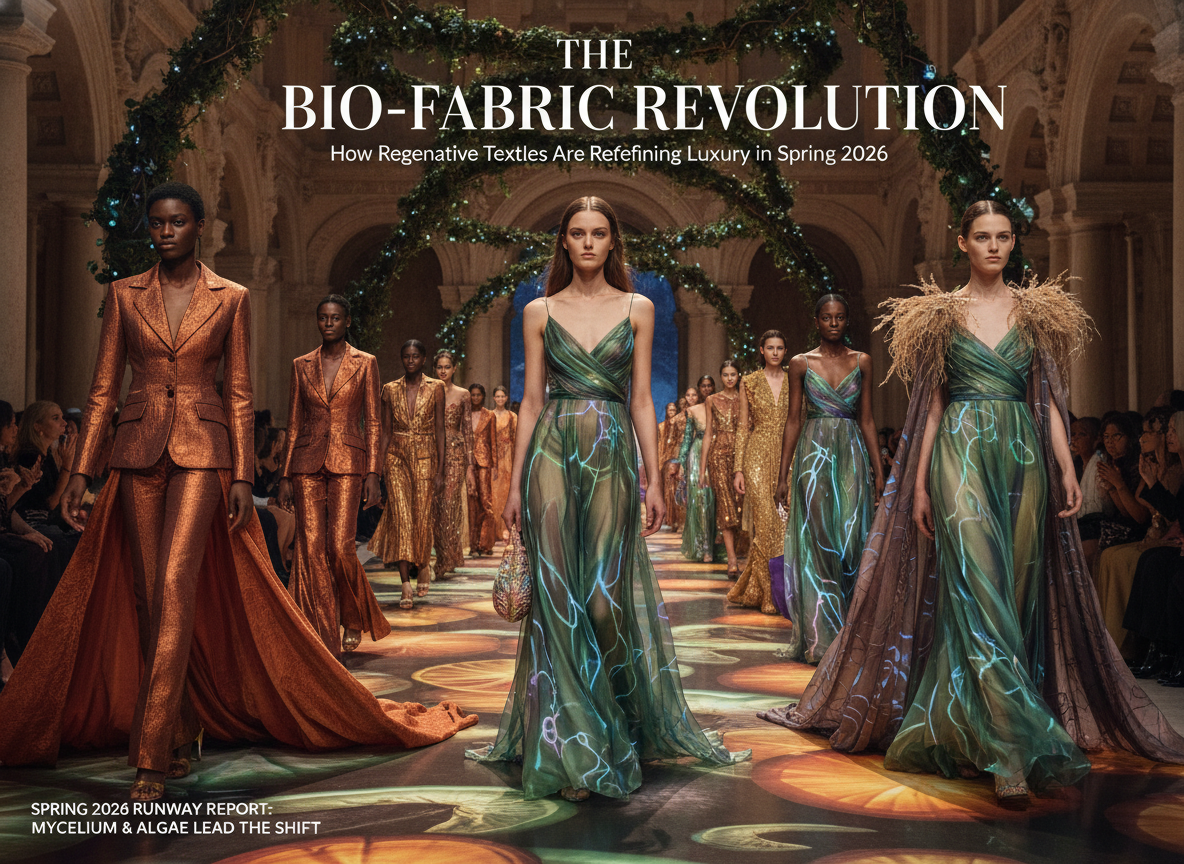
As we transition into the final days of March 2026, the fashion landscape has undergone a tectonic shift that moves beyond mere aesthetics. This season's Spring/Summer collections have solidified a trend that was once a niche experiment: the total integration of bio-fabricated materials into high-end luxury. No longer are terms like 'vegan leather' enough; the industry has moved toward 'regenerative textiles,' where garments are grown in labs using mycelium, bacterial cellulose, and protein-based fibers that mimic silk but offer superior durability. The prestige once associated with rare animal skins has been replaced by the technical prowess of molecularly engineered fabrics that are as kind to the planet as they are to the touch.
The standout star of the March 2026 runways in Paris and Milan has undoubtedly been 'Reishi-plus,' a second-generation mycelium material that offers a grain and suppleness indistinguishable from traditional calfskin. Leading heritage houses have pivoted their entire handbag lines to these fungal alternatives, citing not only the ethical benefits but the incredible customization options. Because these materials are grown to a specific pattern, the waste generated during the cutting process has been reduced by a staggering 90% compared to traditional leather manufacturing. This efficiency is the new hallmark of luxury, where precision and sustainability intersect.
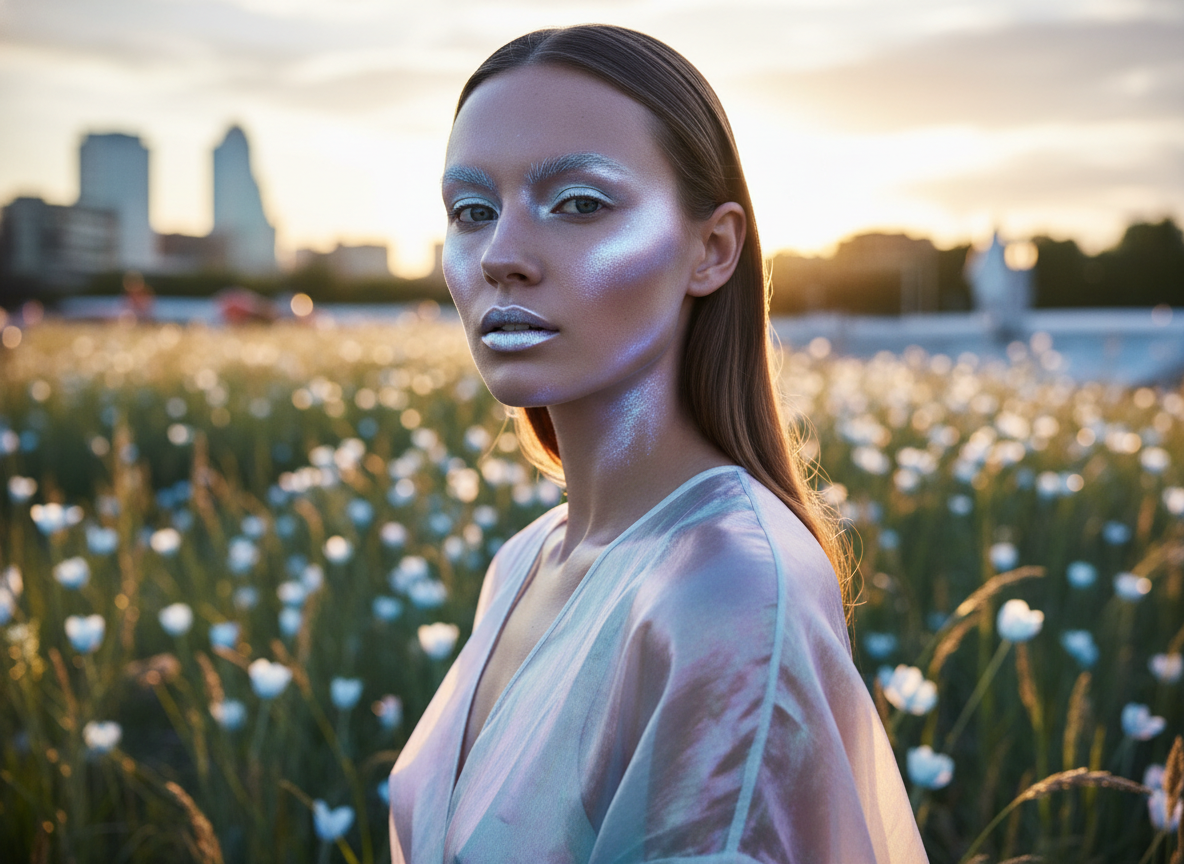
Beyond leather alternatives, the beauty of the Spring 2026 season lies in its vibrant, nature-derived palette. We are seeing a massive departure from synthetic dyes, which have long been a source of significant water pollution. Instead, designers are utilizing 'living colors'—pigments produced by bacteria and algae that can be programmed to change hue slightly based on the wearer’s body temperature or the surrounding light. This creates a dynamic, interactive experience with the garment, making each piece a unique expression of the environment. These bio-pigments are also hypoallergenic, catering to a growing consumer base that prioritizes skin health alongside style.
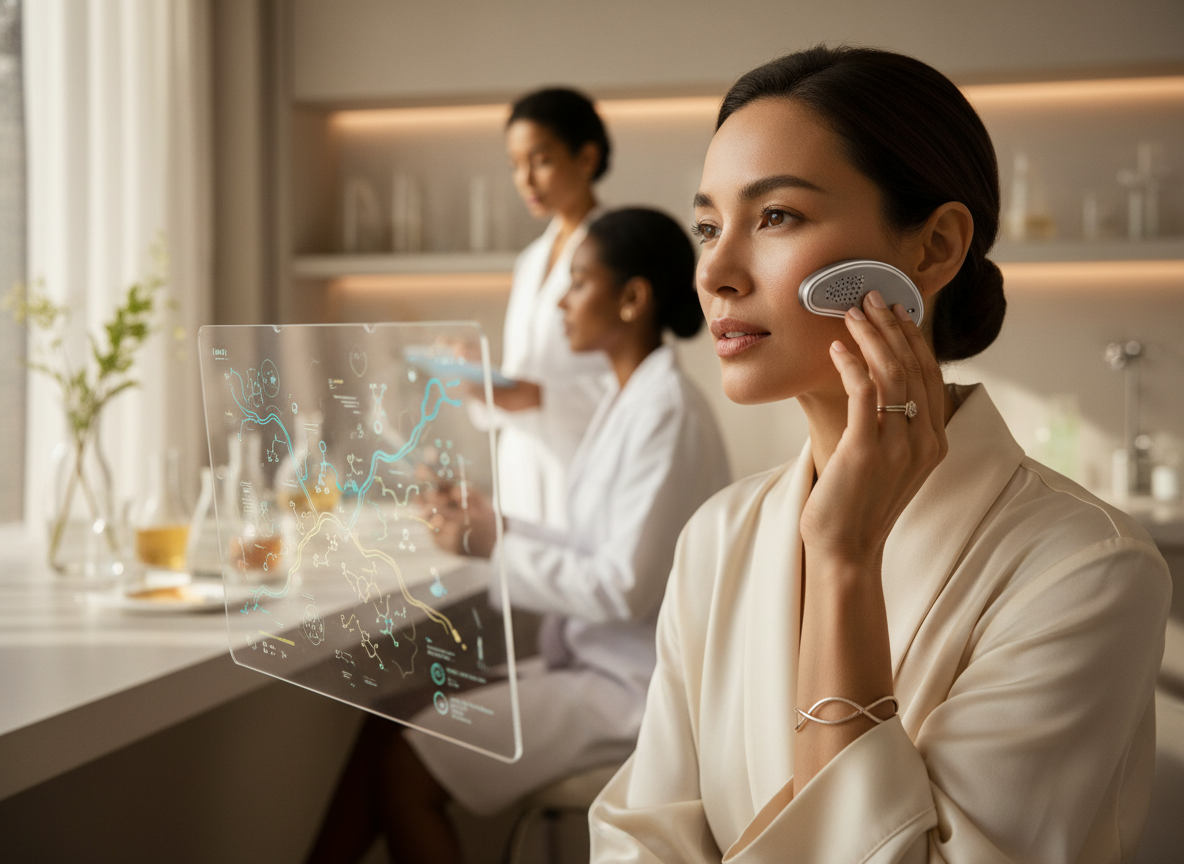
In the realm of high-performance fashion, the 2026 trend is 'Exo-Beauty' textiles. These fabrics are infused with micro-capsules of skincare ingredients like stabilized Vitamin C and hyaluronic acid, which are released slowly through friction against the skin. As the boundaries between beauty and fashion continue to blur, the clothing we wear is becoming our first line of defense against urban pollutants. These 'smart' threads are designed to hydrate the skin and provide a molecular barrier against UV radiation, effectively turning a simple blazer or midi-dress into a wearable skincare treatment that lasts up to fifty washes.
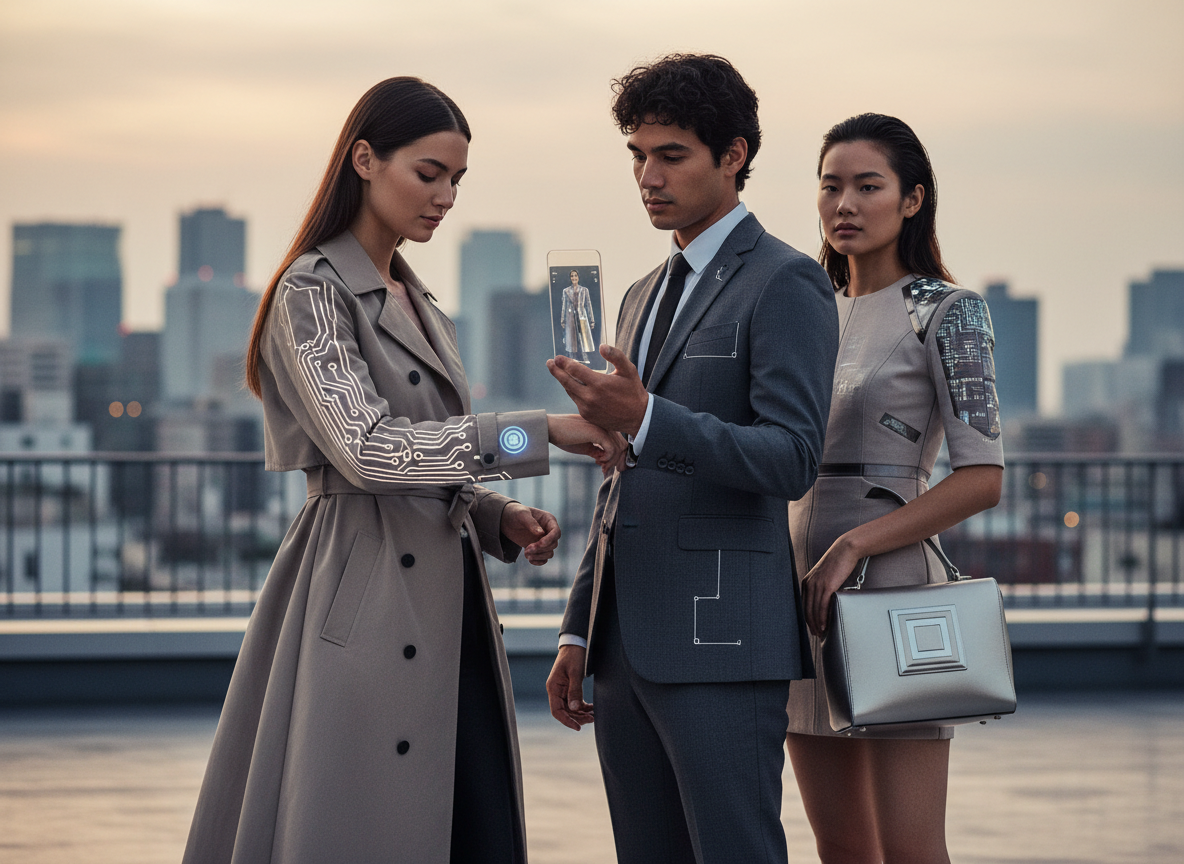
The role of Artificial Intelligence has also evolved from a design tool to a master weaver. In the first quarter of 2026, AI-driven looms have enabled 'zero-waste 3D knitting' at a commercial scale. By analyzing a customer's specific body scans, brands are now able to knit a bespoke garment in a single continuous thread, eliminating seams and off-cuts entirely. This level of personalization is the ultimate luxury, providing a fit that was previously only achievable through multiple couture fittings. The consumer is no longer buying a size; they are buying a digital file that is physically manifested to their exact proportions.
Transparency has reached a fever pitch this March, with the introduction of the 'Global Digital Product Passport' (GDPP) for all luxury goods. By scanning a discreet NFC chip embedded in a garment’s hem, consumers can see the entire lifecycle of their item—from the specific lab where the fiber was grown to the energy footprint of the logistics chain. This radical honesty is a response to Gen Z and Gen Alpha's demand for accountability. Brands that cannot provide this level of data are finding themselves excluded from the wardrobes of the most influential demographic of the decade.
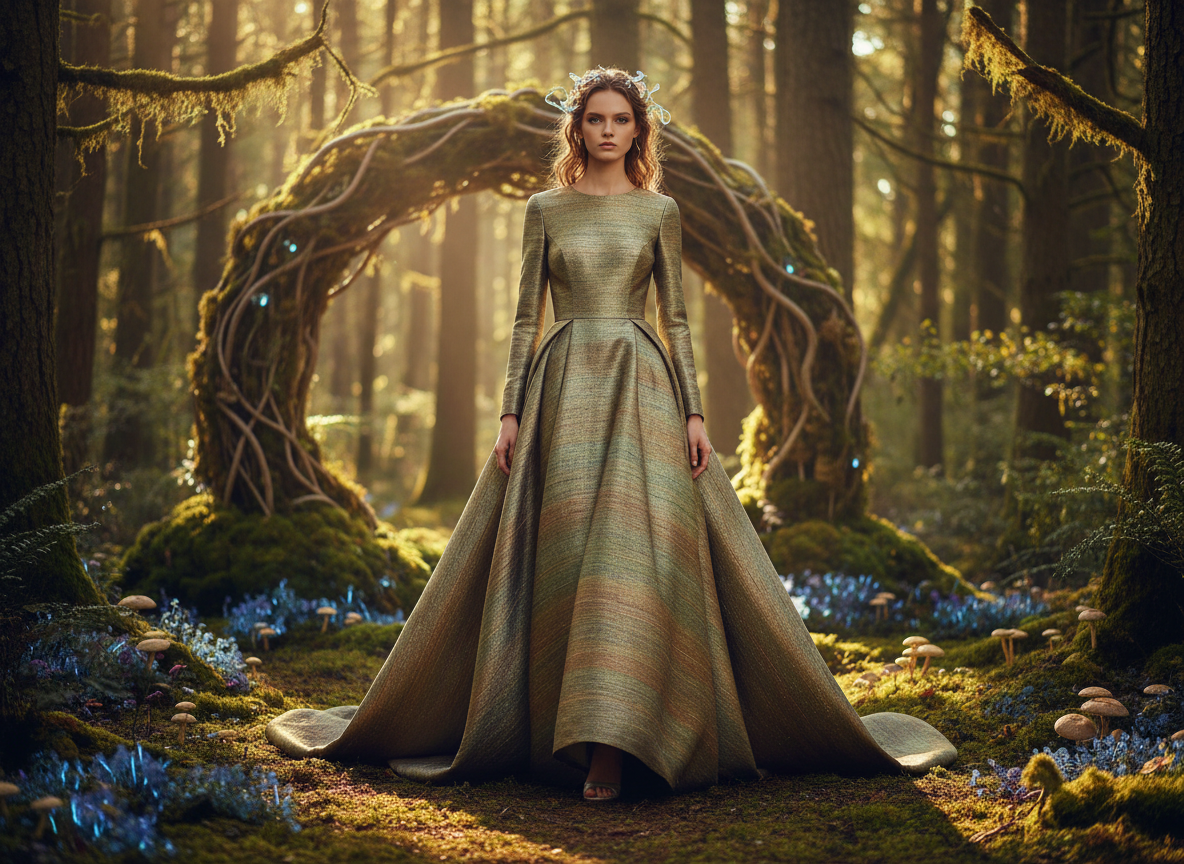
Circular economy initiatives have also taken a sophisticated turn. In 2026, 'Design for Dissolution' is the new industry standard. Many of the bio-synthetic fibers used in this season's collections are designed to be chemically disassembled at the end of their life cycle. These components are then used as nutrients for the next generation of lab-grown textiles. This closed-loop system ensures that the concept of 'waste' is being systematically removed from the fashion lexicon. It is a profound shift from the 'take-make-waste' model that dominated the early 21st century, marking the maturity of the sustainable movement.
As we look forward to the remainder of 2026, it is clear that the fashion and beauty industries are no longer separate entities but are part of a larger bio-technical ecosystem. The elegance of the current season is defined not by excess, but by the intelligence of design and the harmony between technology and nature. We are witnessing the birth of a new era where the most prestigious items in our closets are those that contribute to the regeneration of the earth. Luxury, in its truest 2026 form, is the ability to wear the future without compromising the planet's history.