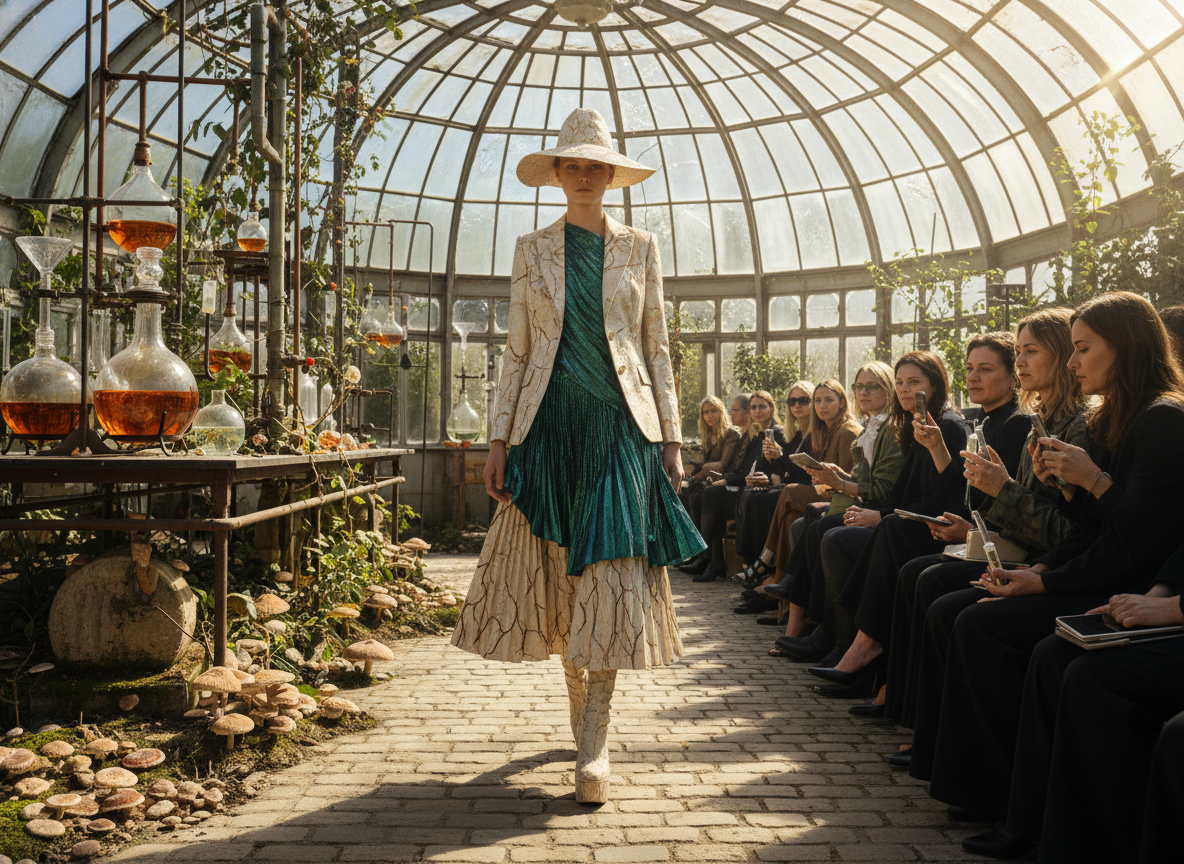
The high-fashion industry is undergoing its most significant transformation in decades as of April 7, 2026. The traditional reliance on resource-heavy textiles is being replaced by a sophisticated wave of bio-fabricated materials that are grown, not manufactured. Leading luxury houses in Paris and Milan have just unveiled their latest collections, where the star of the show isn't rare animal skin or silk, but high-performance mycelium leather and lab-grown protein fibers.
Mycelium, the root structure of fungi, has evolved from a niche experiment into a staple of the 2026 luxury market. These bio-leathers are now indistinguishable from bovine hides in terms of durability, texture, and 'hand-feel.' However, their environmental footprint is a mere fraction of traditional leather. Brands are now boasting that their latest handbags can be composted at the end of their life cycle, returning nutrients to the soil rather than sitting in a landfill for centuries.
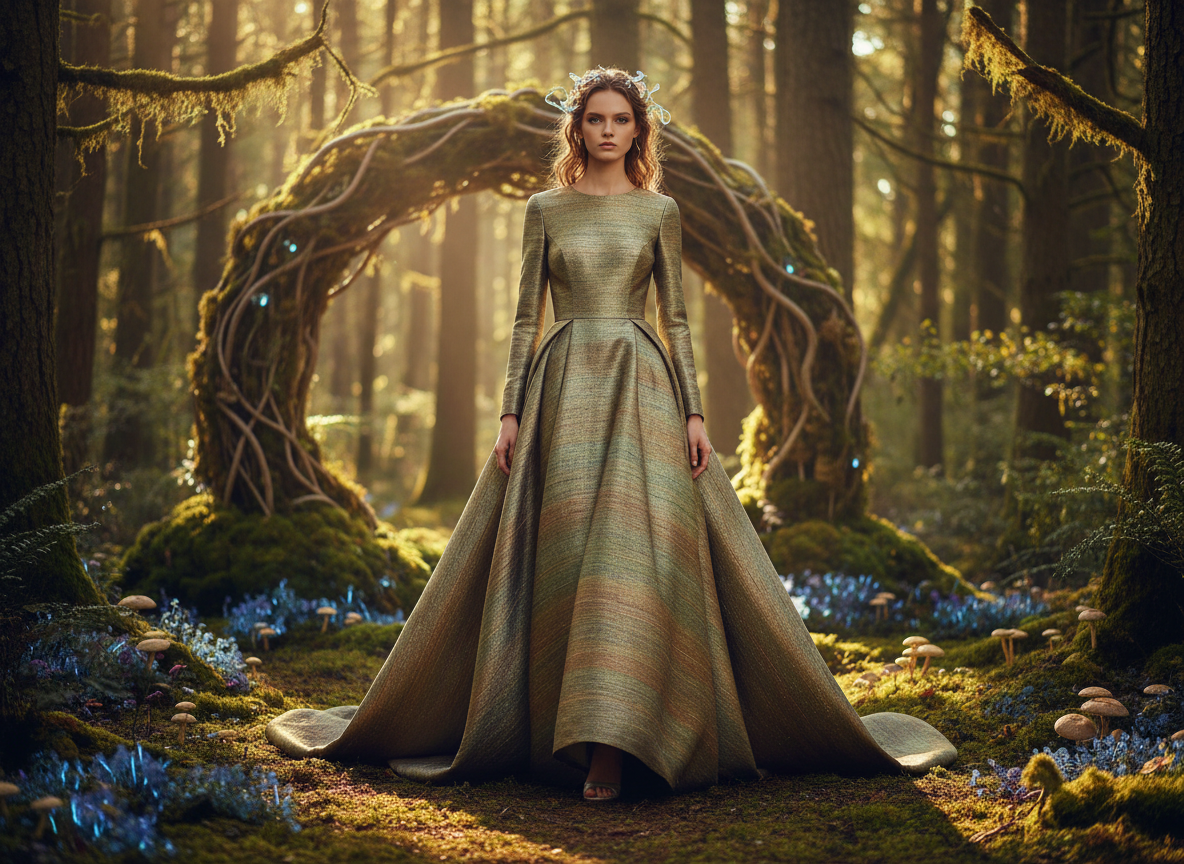
Another remarkable breakthrough trending this week is the debut of 'Carbon-Negative Silk.' Created through a process that captures atmospheric CO2 and converts it into protein polymers, these fabrics actually clean the air during the production phase. Designers are utilizing the unique refractive properties of these fibers to create garments that shimmer with a natural iridescence, eliminating the need for toxic dyes and synthetic glitters that have long been a plague on the environment.
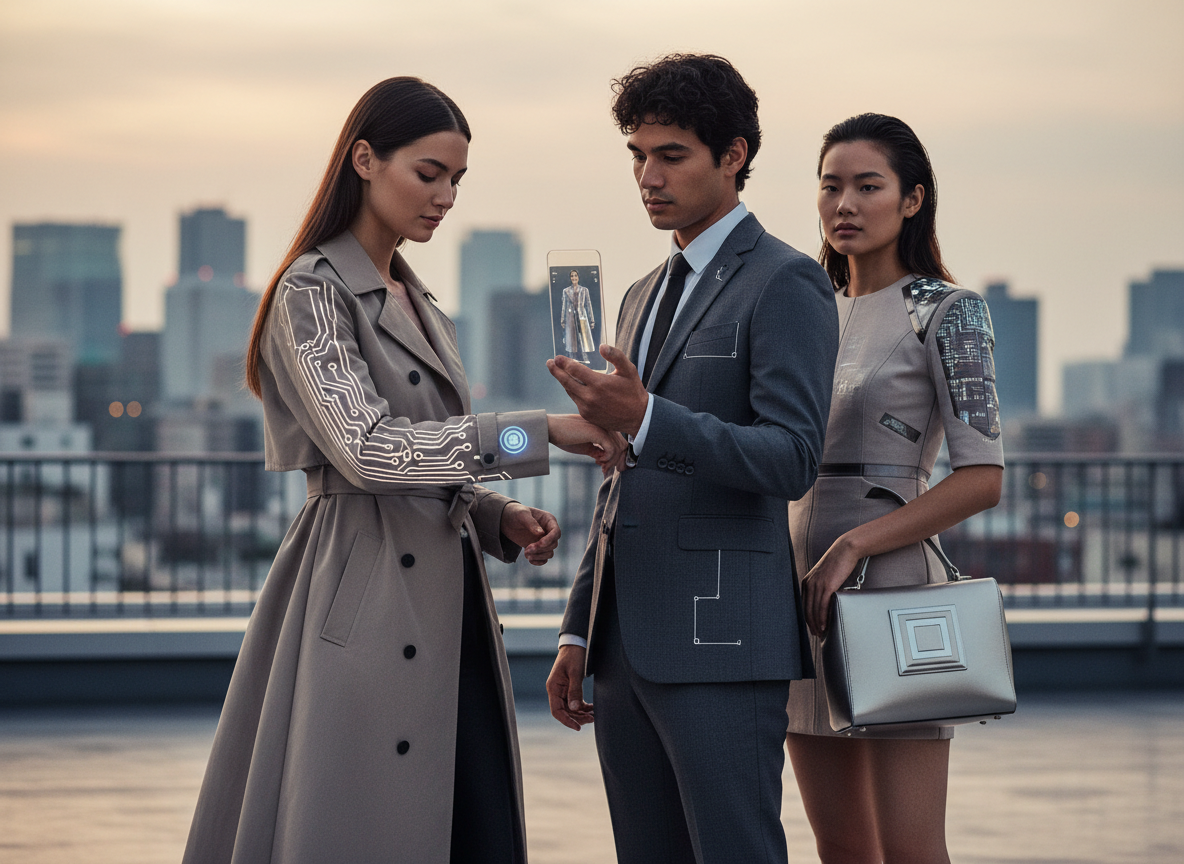
The integration of 'Digital Product Passports' (DPPs) has become mandatory for all garments sold in major markets as of this month. These blockchain-linked tags provide a transparent history of the item, from the laboratory where the fiber was grown to the factory where it was assembled. This transparency is empowering consumers to make ethical choices, as they can now verify the carbon footprint and labor conditions of every piece of clothing with a simple tap of their smartphone.
A new cultural status symbol has emerged in 2026: 'The Living Garment.' These are clothes embedded with photosynthetic algae that continue to absorb CO2 while the wearer is outdoors. While requiring specialized care, such as occasional misting and light exposure, these pieces have become the ultimate statement in 'conscious luxury.' They represent a shift where fashion is no longer just an aesthetic choice, but an active contribution to urban carbon sequestration.
Manufacturing has also seen a shift toward 'Micro-Factories' located within major metropolitan hubs. By using advanced 3D-knitting technology and bio-inks, these facilities produce garments on-demand, virtually eliminating overstock and the need for long-distance shipping. This 'Hyper-Local' model allows designers to respond to trends in real-time while maintaining a zero-waste production cycle, proving that speed and sustainability can indeed coexist.
The 'Repair-First' movement is gaining unprecedented momentum among Gen Z and Alpha consumers. Luxury brands are now offering lifetime 'Biological Rejuvenation' services for their bio-fabricated pieces. If a mycelium jacket gets scuffed or torn, specialized lab technicians can literally regrow the damaged fibers, seamlessly repairing the garment. This move away from disposability is redefining the longevity of fashion and encouraging a more intimate, long-term relationship between the consumer and their wardrobe.
As we look toward the remainder of 2026, it is clear that the future of fashion lies in the intersection of biology and circularity. The industry is no longer just mimicking nature; it is partnering with it to create a new aesthetic that is as restorative as it is beautiful. This paradigm shift marks the end of the 'take-make-waste' era and the beginning of a truly regenerative fashion economy that respects both the artisan and the planet.