Paris Fashion Week, which concluded its Fall/Winter 2026 showcases earlier this week, will be remembered as the moment AI-hybrid couture officially claimed the throne. While previous seasons experimented with digital aesthetics, 2026 marks the year where generative algorithms became an essential tool in the hands of the world's most prestigious couturiers. The tension between the 'hand-made' and the 'code-made' has dissolved, replaced by a sophisticated synergy that is redefining the limits of textile design and structural silhouettes.
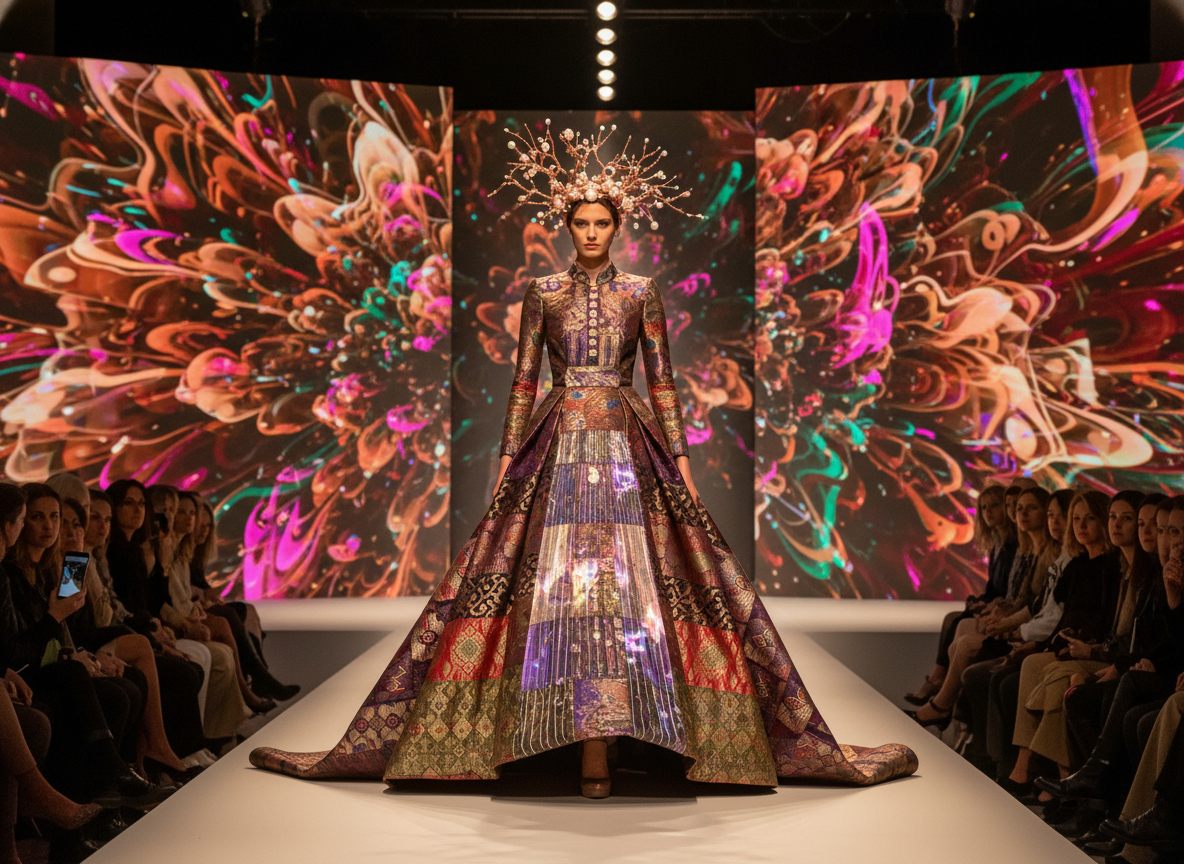
The standout show of the season, titled 'L'Algorithme,' showcased a collaboration between a heritage French house and a leading neuro-creative lab. The collection featured garments that were not merely designed by AI but were structurally impossible without it. 3D-printed lace made from recycled ocean polymers cascaded down the runway, featuring patterns based on the growth of mycelium networks. Each piece was unique, with the AI slightly altering the weave for every individual garment to optimize weight and breathability while maintaining a sculptural rigidity.
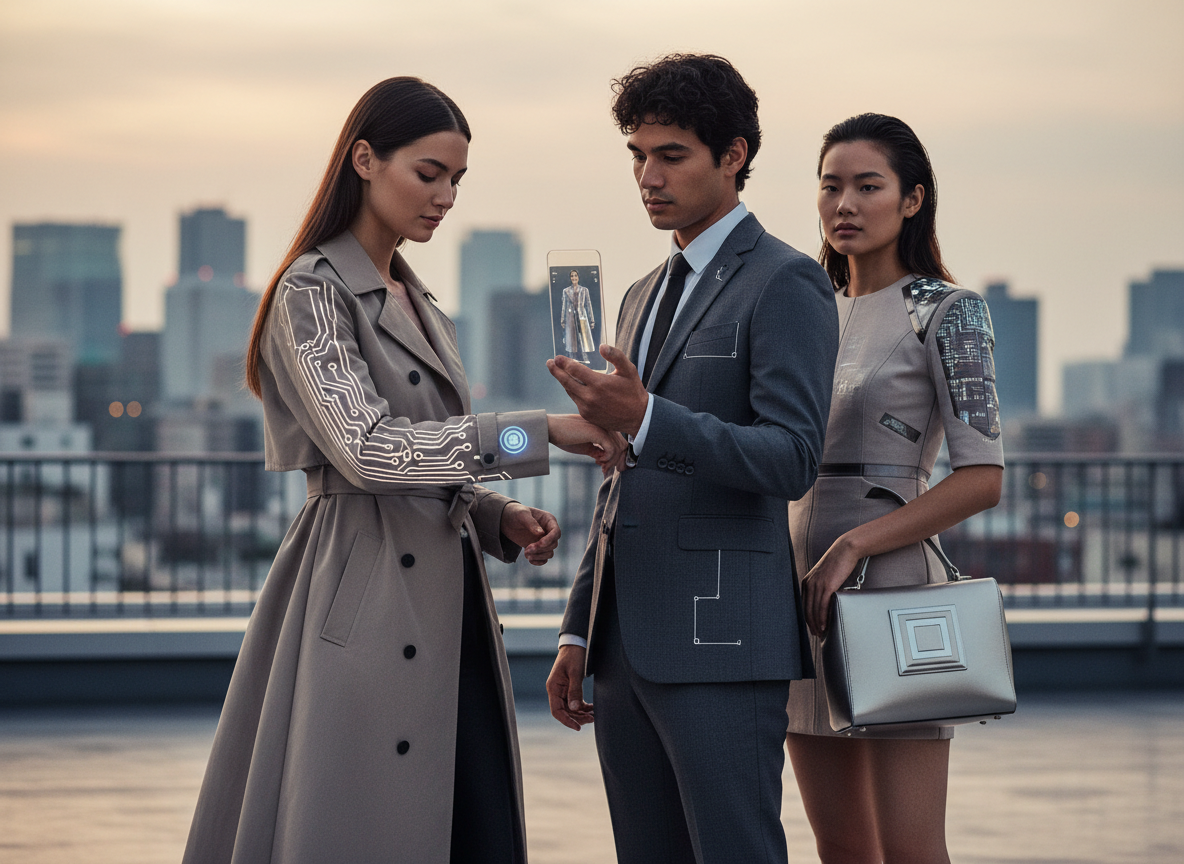
Innovation extended beyond the visuals and into the very fibers of the clothing. Several designers debuted 'Adaptive Textures'—fabrics that use embedded sensors to change their shape or insulation properties in response to the wearer's body temperature. This 'smart couture' isn't just about the spectacle; it's a response to the global demand for versatile, long-lasting luxury. A single coat can now function as a lightweight trench in the afternoon and a heavy-duty parka by evening, all while maintaining its tailored aesthetic through shape-memory alloys.
The color palettes seen across the March runways also took a futuristic turn, heavily influenced by 'Synthetic Nature.' We saw an explosion of iridescent bio-fluorescents and 'Deep Sea Neons' that are achieved through non-toxic, microbial dyeing processes. This shift away from traditional chemical dyes has been a massive talking point this season, as the industry pushes toward a zero-impact manufacturing model. The result is a vibrant, otherworldly aesthetic that feels grounded in ecological responsibility.
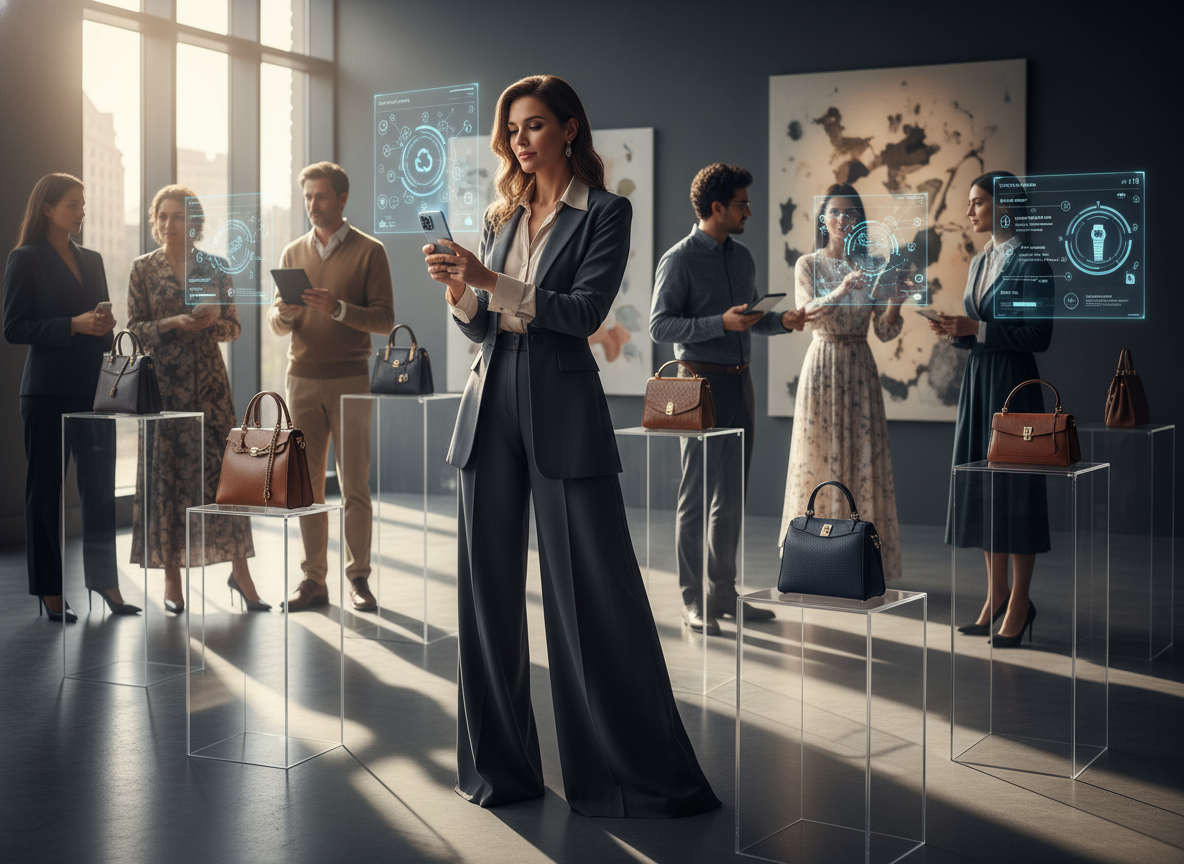
Street style in Paris this week also reflected the 'Phygital' movement. Attendees were seen wearing AR-enhanced accessories that projected digital halos or changing patterns visible only through specialized glasses or smartphone lenses. This layer of 'digital makeup' allows for self-expression that transcends the physical limitations of fabric, enabling fashion enthusiasts to change their look instantly without consuming new physical products. It is the ultimate expression of the circular economy: infinite style with zero physical waste.
Critically, the conversation around AI in fashion has shifted from job replacement to creative enhancement. Designers spoke during post-show panels about how algorithms handle the tedious aspects of pattern-making and fabric optimization, freeing them to focus on the emotional and conceptual storytelling of their collections. The 'Human Touch' remains the most coveted luxury, but it is now augmented by the precision of a machine. This partnership has allowed for a return to extreme detail that hasn't been seen since the golden age of couture.
The business of fashion is also feeling the ripple effects. Several major houses announced they would be moving to a 'On-Demand Luxury' model, where garments seen on the runway are only produced after they are ordered, using AI to predict exact sizing for a perfect fit. This eliminates the waste associated with seasonal overstock and ensures that every piece created has a designated owner. It is a bold move that aligns high-end craftsmanship with the modern values of sustainability and exclusivity.
As the fashion world leaves Paris, the consensus is clear: the future of fashion is a hybrid. The collections of March 2026 have proven that technology does not strip fashion of its soul; rather, it provides a new set of tools to explore the human condition. From carbon-sequestering fabrics to AI-optimized silhouettes, the industry is entering a brave new era where the only limit is the designer's imagination—and the power of their processing unit.