

Quick Summary
- Kejriwal proposes Wangchuk for Education Minister role.
- Wangchuk is known for his innovative education strategies.
- The proposal aims to reform India's outdated education system.
- Public response highlights the need for educational innovation.
- Future discussions will shape the path forward.
Delhi Chief Minister Arvind Kejriwal has officially proposed Sonam Wangchuk as the next Education Minister of India. This bold suggestion comes amid growing concerns about the effectiveness of the current educational framework. Explore more Education and Tutorials coverage on Newtechzy.
The proposal highlights the urgent need for educational reform, aiming to integrate innovative practices that Wangchuk is renowned for, especially in rural education settings.
Sonam Wangchuk Education Minister: Background and Vision
Sonam Wangchuk, an engineer and educator, gained fame for his unconventional methods in transforming education in Ladakh. His approach emphasizes experiential learning, sustainability, and local relevance, which have resonated with many educators and policymakers.
Wangchuk's initiatives, such as the Students' Educational and Cultural Movement of Ladakh (SECMOL), showcase his commitment to practical education. His vision aligns with Kejriwal's push for a more responsive and innovative education system.
Why is Kejriwal Advocating for Wangchuk?
Kejriwal’s proposal stems from a belief that India's education system needs leaders who can think outside the box. Wangchuk’s track record of success in improving educational outcomes in challenging environments positions him as an ideal candidate.
- Kejriwal emphasizes the need for reform in outdated educational practices.
- Wangchuk’s holistic approach to education could inspire nationwide changes.
- His grassroots initiatives demonstrate practical applications of educational theories.
Key Facts About Sonam Wangchuk
- Founder of SECMOL, focused on local education reform.
- Advocate for sustainable practices in education.
- Recognized as a global leader in educational innovation.
- Proposed solutions for educational challenges in remote areas.
Current Education Landscape in India
The Indian education system faces numerous challenges, including rote learning, lack of infrastructure, and outdated curricula. Many believe these issues hinder students' ability to think critically and innovate.
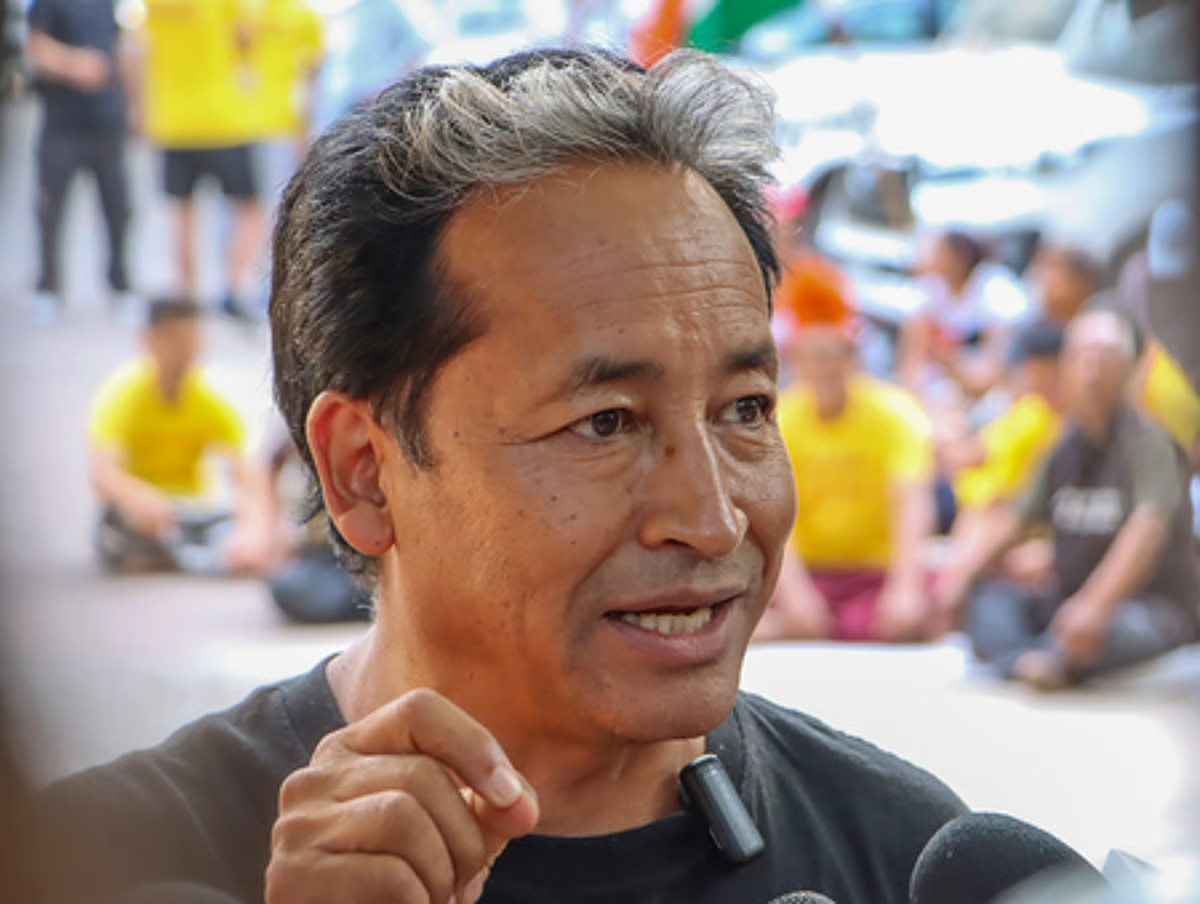
Kejriwal's proposal is seen as a potential catalyst for change, aiming to address these systemic problems through Wangchuk's innovative strategies.
What Are the Main Issues in India's Education System?
Key issues include high dropout rates, inadequate teacher training, and a focus on standardized testing. Wangchuk's methods could provide alternative solutions to these persistent problems.
- High dropout rates, especially in rural areas.
- Inadequate teacher training and resources.
- Emphasis on rote learning over critical thinking.
Public Response to the Proposal
Public reaction to Kejriwal’s suggestion has been mixed. Education advocates praise the idea, citing Wangchuk's proven track record. Critics, however, question the feasibility of implementing his vision on a national scale.
Many supporters argue that Wangchuk's leadership could inspire a new generation of educators and students alike.
How Is the Public Reacting to Kejriwal's Proposal?
Social media platforms are buzzing with discussions about Wangchuk's suitability for the role. Supporters highlight his innovative practices, while skeptics express concerns about scalability.
- Supporters advocate for Wangchuk’s innovative methods.
- Critics question the practicality of national reforms.
- Public forums are discussing potential changes.
Implications for Educational Policy
If appointed, Wangchuk could shift educational policy towards more practical and localized solutions. His focus on experiential learning may inspire changes in curricula across the country.
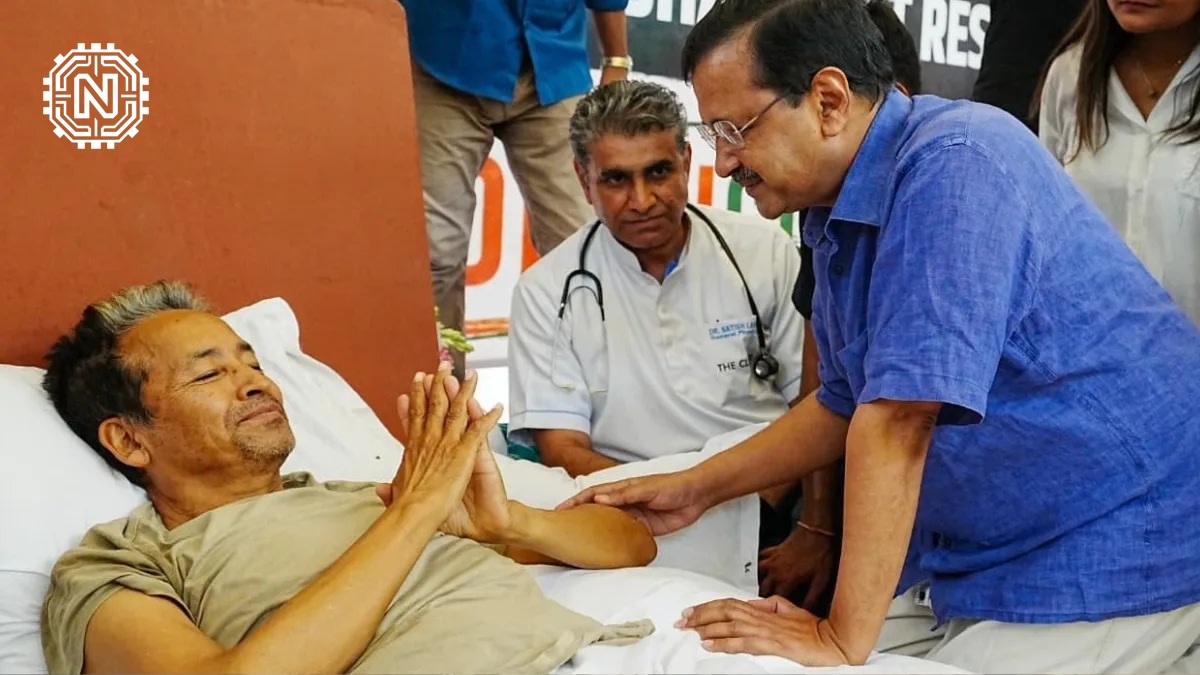
Such a shift could lead to a more engaged student body and better alignment with current job market needs.
What Changes Could Wangchuk Bring to Educational Policy?
Wangchuk’s appointment could lead to policies favoring hands-on learning, interdisciplinary studies, and a better connection between education and employment.
- Increased focus on practical skills and local relevance.
- Curriculum reforms that promote critical thinking.
- Greater investment in teacher training and resources.
Future Outlook for Indian Education
The future of Indian education hinges on leadership that embraces innovation. Wangchuk's approach could set a precedent for educational reforms in other states, paving the way for a more dynamic system.
As discussions unfold, stakeholders will be watching closely to see if Kejriwal's proposal gains traction and leads to tangible changes in policy.
What’s Next for Kejriwal's Proposal?
Future discussions will focus on how to implement Wangchuk's ideas effectively, ensuring they meet the diverse needs of Indian students.
- Stakeholders will need to collaborate on implementation strategies.
- Ongoing public discourse will shape the proposal's direction.
- Potential pilot programs could test Wangchuk's methods.
Conclusion
Kejriwal's suggestion to appoint Sonam Wangchuk as Education Minister marks a pivotal moment for India's educational landscape. As the nation contemplates this proposal, the potential for transformative change looms large.
Frequently Asked Questions
Why does Arvind Kejriwal support Sonam Wangchuk as Education Minister?
Kejriwal believes Wangchuk's innovative approach to education can transform India's system and address current challenges.
What are Sonam Wangchuk's qualifications for the role?
Wangchuk is a renowned education reformer and engineer, known for his contributions to sustainable education in Ladakh.
Has Sonam Wangchuk expressed interest in becoming Education Minister?
Wangchuk has not publicly expressed interest in the position, focusing instead on his ongoing educational initiatives.
What initiatives has Sonam Wangchuk implemented in education?
He founded the Students' Educational and Cultural Movement of Ladakh (SECMOL), promoting experiential learning and environmental awareness.
What impact could Wangchuk have on India's education policy?
His innovative strategies could inspire reforms emphasizing critical thinking, sustainability, and local context in education.
How does Kejriwal's proposal reflect on current education issues?
The proposal highlights dissatisfaction with existing education policies and the need for fresh perspectives to tackle systemic issues.
What are Sonam Wangchuk's views on current education reforms?
Wangchuk advocates for a more holistic approach, focusing on creativity and sustainability rather than rote learning.
Is there public support for Wangchuk as Education Minister?
Support varies, with many appreciating his vision, but others question the feasibility of his ideas in a larger context. For more on Education and Tutorials, explore Newtechzy. You can also review our Privacy Policy and Cookie Policy, or learn more About us.
Related Topics
Want to stay updated on education reforms in India? Subscribe to our newsletter for the latest insights and developments.
Start Your Journey Today!


