


Quick Summary
- Over 100 ISRO scientists have left the organization recently.
- The Indian government has introduced stricter exit regulations.
- This trend raises concerns about talent retention in ISRO.
- The future of India's space ambitions could be at risk.
- A comprehensive review of exit policies is underway.
In a surprising turn of events, over 100 scientists have resigned from the Indian Space Research Organisation (ISRO) in recent weeks. This wave of departures has prompted the Indian government to implement stricter exit regulations aimed at retaining talent within the organization. Explore more News coverage on Newtechzy.
The mass resignation highlights ongoing challenges within ISRO, raising questions about employee satisfaction and the future of India's ambitious space missions. The timing of these exits is particularly critical as ISRO gears up for several high-stakes launches.
ISRO Scientists Quit: Understanding the Exodus
The recent resignation of more than 100 scientists from ISRO marks a significant moment for India's space agency. Many of these scientists have cited dissatisfaction with work conditions, lack of promotion opportunities, and the pressure of high-stakes projects as their reasons for leaving.
ISRO has been recognized globally for its achievements, including the successful Mars Orbiter Mission. However, internal reports suggest that the organization may be struggling with employee morale and retention issues, especially among its top talent.
What Prompted the Government to Tighten Exit Rules?
The Indian government’s decision to impose stricter exit regulations comes in response to the alarming trend of resignations. Officials argue that these new measures are necessary to prevent further talent loss and to maintain the integrity of ongoing projects.

What are the new exit regulations?
The new rules require employees to provide extended notice periods and undergo additional review processes before resigning. This is aimed at ensuring that critical projects are not left in the lurch.
Official Reactions to the Scientist Exodus
Government officials have expressed concern over the exodus, emphasizing the need for ISRO to be a more supportive work environment. Senior leaders have called for a review of employee benefits and career progression pathways.
What do experts say?
Industry analysts believe that without immediate improvements in workplace culture, ISRO could face a talent crisis that hampers its future missions. Retaining skilled scientists is crucial for the agency to maintain its competitive edge on the global stage.
The Impact on India's Space Program
This mass resignation could have far-reaching implications for India’s space program. With key personnel leaving, ongoing and upcoming missions may be affected, potentially delaying critical projects.
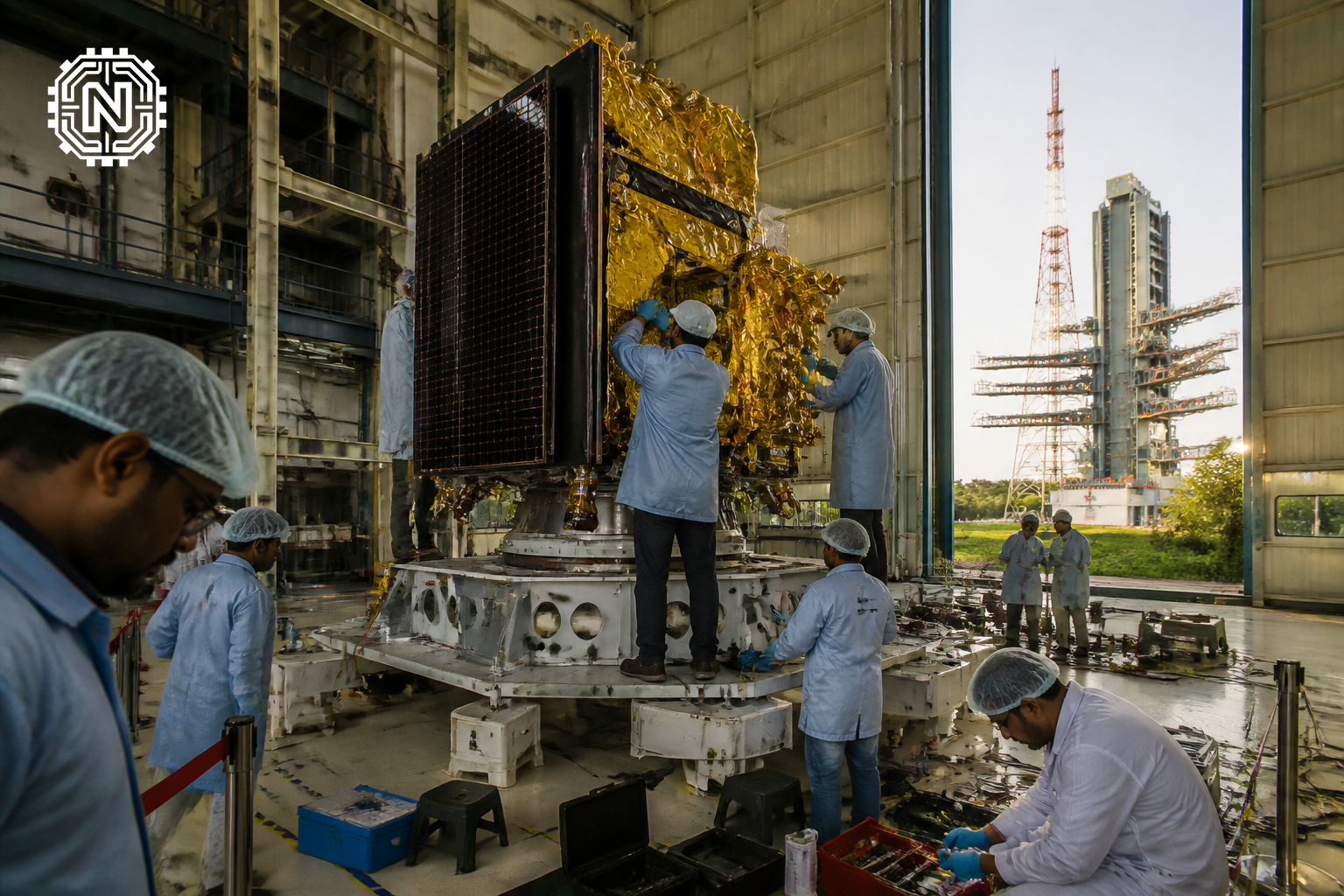
How might this affect future launches?
Upcoming missions, including satellite launches and interplanetary explorations, rely heavily on experienced scientists. A shortage of skilled personnel could lead to delays and increased costs.
What’s Next for ISRO and Its Workforce?
As ISRO navigates this challenging period, the agency must focus on rebuilding trust among its workforce. This includes addressing concerns about job satisfaction, career growth, and work-life balance.
Can ISRO attract new talent?
For ISRO to attract new talent, it will need to enhance its reputation as a desirable workplace. This may involve revising compensation structures and fostering a more inclusive culture.
Conclusion
The recent wave of resignations at ISRO raises serious concerns for the future of India's space ambitions. As the government tightens exit rules, it remains to be seen whether these measures will be enough to retain talent and inspire confidence in the agency's mission.
Frequently Asked Questions
Why did ISRO scientists quit recently?
Over 100 ISRO scientists have resigned or retired early due to dissatisfaction with working conditions and new exit rules.
What are the new exit rules for ISRO scientists?
The Centre has tightened regulations regarding resignations, making it more difficult for scientists to leave the organization.
How many scientists have left ISRO?
More than 100 scientists have quit or retired from ISRO in recent months.
What impact will this have on ISRO's projects?
The departure of experienced scientists could delay ongoing projects and affect future missions.
Are the new exit rules permanent?
It's unclear if the tightened exit rules will be permanent or subject to change based on feedback.
What are the reasons behind the scientists' dissatisfaction?
Many scientists cite workload, lack of recognition, and management issues as key reasons for their dissatisfaction.
How has the public reacted to the scientists quitting?
Public reaction has been mixed, with some expressing concern over ISRO's future and others supporting the scientists' decision.
What steps is ISRO taking to address this issue?
ISRO is reportedly reviewing the exit policies and exploring ways to improve working conditions for its scientists. For more on News, explore Newtechzy. You can also review our Privacy Policy and Cookie Policy, or learn more About us.
Related Topics
Stay informed about the latest developments in India's space program. Explore more articles or contact us for insights.
Start Your Journey Today!


