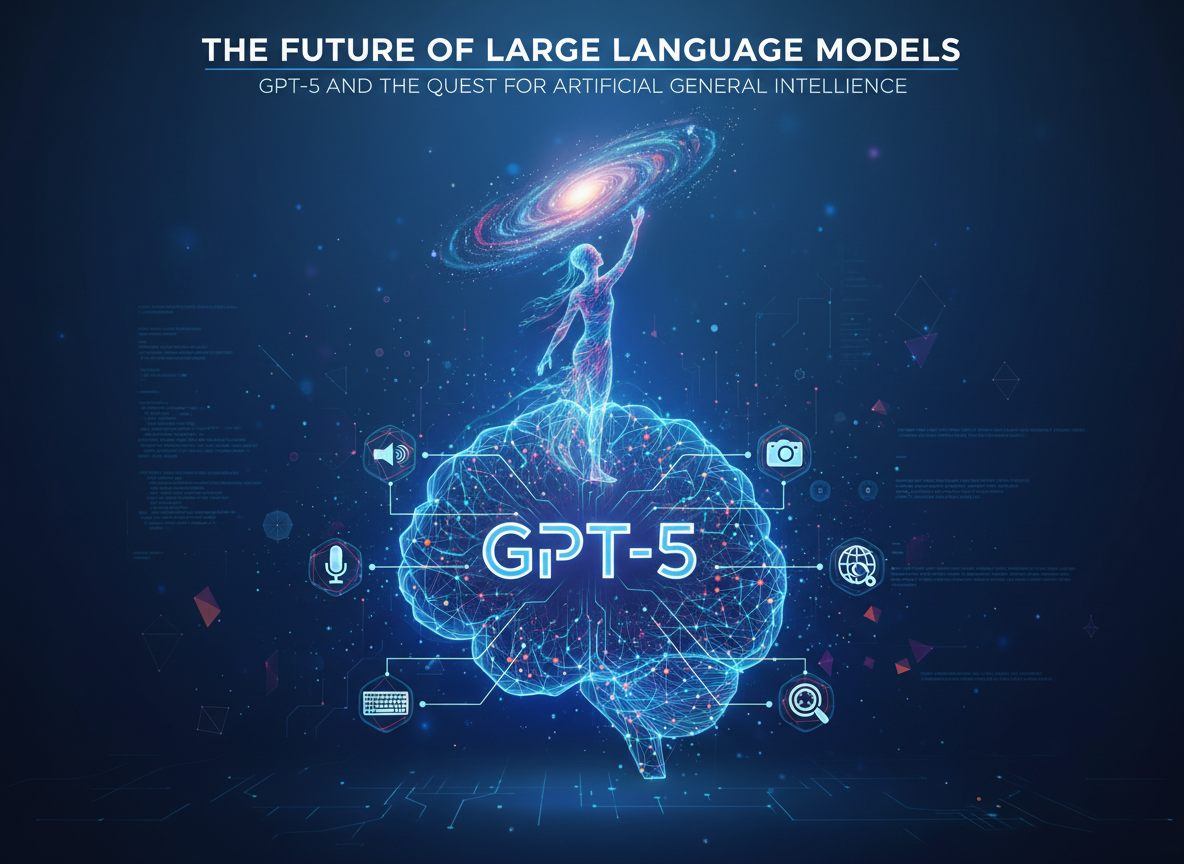
The landscape of artificial intelligence is shifting rapidly as rumors of GPT-5 continue to dominate the tech industry's discourse, promising a leap forward in cognitive reasoning and multimodal capabilities. Unlike its predecessors, the next generation of large language models is expected to move beyond simple pattern recognition to exhibit a deeper understanding of context and logic. This evolution signifies a pivotal moment in the development of generative AI, where the lines between human intuition and machine computation begin to blur. Industry leaders are closely watching for updates on how these models will integrate visual, auditory, and textual data simultaneously to provide a seamless user experience. The anticipation surrounding this release underscores the growing importance of AGI, or Artificial General Intelligence, as the ultimate goal for researchers worldwide. As we stand on the brink of this new era, the potential for AI to transform every sector from education to software development has never been more tangible.
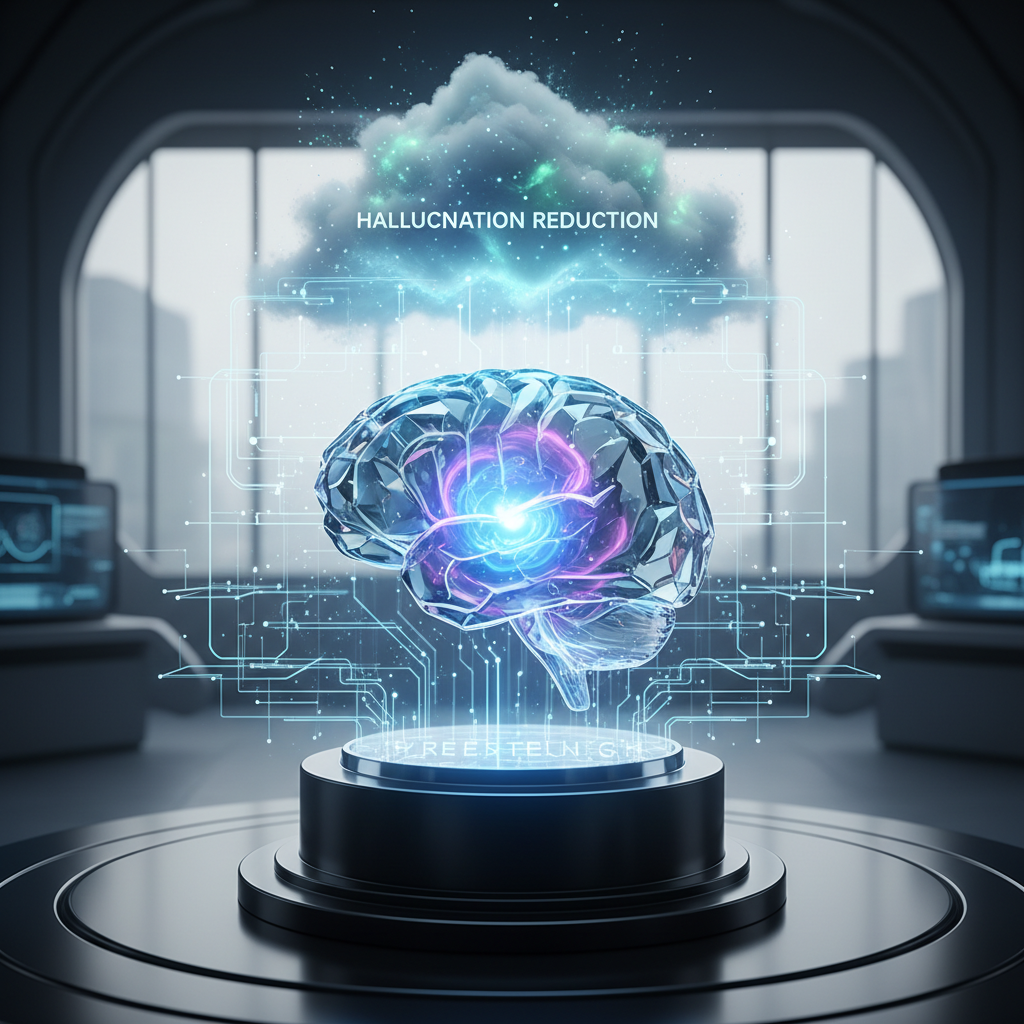
To understand the significance of the next iteration of LLMs, one must look at the constraints of current transformer architectures which often struggle with long-form factual consistency. GPT-5 is rumored to employ more advanced reinforcement learning from human feedback (RLHF) techniques that aim to reduce hallucinations while increasing the depth of its knowledge base. This means the model would not only store information but understand the underlying relationships between disparate data points across various domains. By enhancing the reasoning engine, developers hope to create a tool that can act as a sophisticated problem-solver rather than a mere text generator. This transition is essential for enterprise adoption where accuracy and reliability are non-negotiable requirements for integrating AI into mission-critical workflows.
Multimodality is another cornerstone of the upcoming AI revolution, allowing models to perceive and interact with the world through multiple sensory inputs. Imagine an AI that can watch a video of a technical repair, read the accompanying manual, and then walk a user through the process via voice in real-time. This level of integration requires massive computational power and more efficient data processing algorithms to ensure low-latency interactions. The move toward multimodal AI represents a departure from text-only limitations, opening doors to robotics, advanced medical diagnostics, and immersive educational tools. As hardware accelerators like NVIDIA's latest GPUs become more specialized, the feasibility of running these complex multimodal models at scale is becoming a reality.
One of the most debated topics in the AI community is the concept of 'scaling laws' and whether simply adding more parameters and data will continue to yield intelligence gains. Some experts argue that we are hitting a plateau in data quality, necessitating more efficient training methods and synthetic data generation. GPT-5 might leverage synthetic data created by earlier models to bridge the gap in specialized domains like advanced mathematics or niche scientific research. However, this approach carries the risk of model collapse if the quality of the synthetic data is not strictly governed. Finding the balance between data quantity and data diversity remains the primary challenge for the scientists aiming to reach the next frontier of machine intelligence.
The impact of these advancements on the global economy cannot be overstated, as AI-driven automation begins to touch high-level cognitive tasks. Previous waves of automation primarily affected manual labor, but the current trajectory suggests that creative and analytical professions are also undergoing a significant transformation. From legal research and financial modeling to graphic design and coding, the ability of AI to augment human productivity is reaching unprecedented levels. This shift necessitates a reevaluation of workforce skills, prioritizing AI literacy and the ability to collaborate with intelligent systems. Companies that fail to integrate these next-gen tools into their operations risk falling behind in an increasingly competitive, AI-first global marketplace.
Ethics and safety remain at the forefront of the development cycle for GPT-5 and its contemporaries, as the risks of misuse or biased outputs become more complex. Ensuring that an AI system aligns with human values requires rigorous testing frameworks and transparent governance structures. The debate over open-source versus closed-source development continues to rage, with some advocating for transparency to ensure safety, while others warn of the dangers of powerful AI falling into the wrong hands. Policymakers are racing to keep up with the pace of innovation, drafting regulations that seek to foster innovation while protecting civil liberties and data privacy. The safe deployment of AGI-level models will likely require a global consensus on ethical standards and technical safeguards.
Hardware infrastructure is the silent engine driving this technological surge, with massive investments in data centers and specialized silicon. The demand for compute has led to a new arms race among tech giants, each vying for the most efficient and powerful AI training clusters. As models become more complex, the energy consumption of these facilities has also come under scrutiny, prompting a push for more sustainable and energy-efficient AI architectures. Innovation in optical interconnects and 3D stacking of memory is helping to overcome the bottlenecks of traditional chip designs. The synergy between breakthrough software algorithms and cutting-edge hardware is what ultimately determines the pace of progress toward truly intelligent machines.
In conclusion, the journey toward GPT-5 and beyond is not just about building better chatbots but about redefining the relationship between humans and technology. The transition to multimodal systems and the pursuit of AGI represent a fundamental shift in how we solve problems and generate knowledge. While technical and ethical hurdles remain, the momentum in the field is undeniable, driven by a combination of scientific curiosity and commercial necessity. As we move closer to models that can reason, perceive, and interact with the world in human-like ways, the focus must remain on ensuring these tools benefit humanity as a whole. The next year will undoubtedly bring historic breakthroughs that will set the stage for the rest of the decade's technological evolution.