


Quick Summary
- Podcasting continues to grow in popularity.
- Planning is crucial for a successful launch.
- Quality equipment enhances audio experience.
- Promotion strategies can expand your audience.
- Consistency is key to retaining listeners.
Podcasting is booming, with millions tuning in weekly. If you want to know how to start a podcast, you're not alone. The podcasting landscape is evolving, and now is the perfect time to jump in.
With the right strategy and tools, anyone can create a successful podcast. This guide will break down the essential steps to help you launch your podcast in 2026.
How to Start a Podcast: Planning Your Concept
Before recording, define your podcast's niche. Consider your interests and expertise, and identify your target audience. Research existing podcasts to find gaps in the market. A clear concept helps shape your content and keeps you focused.
According to Statista, over 100 million people in the U.S. listen to podcasts regularly. This audience presents a significant opportunity.
Establish a unique angle to differentiate your podcast. Whether it's storytelling, interviews, or educational content, your approach will attract listeners. Create a mission statement to clarify your podcast's purpose and direction.
What Equipment Do You Need to Start a Podcast?
Investing in quality equipment is essential for good audio. At a minimum, you'll need a microphone, headphones, and recording software. USB microphones like the Blue Yeti are popular for beginners due to their affordability and sound quality.
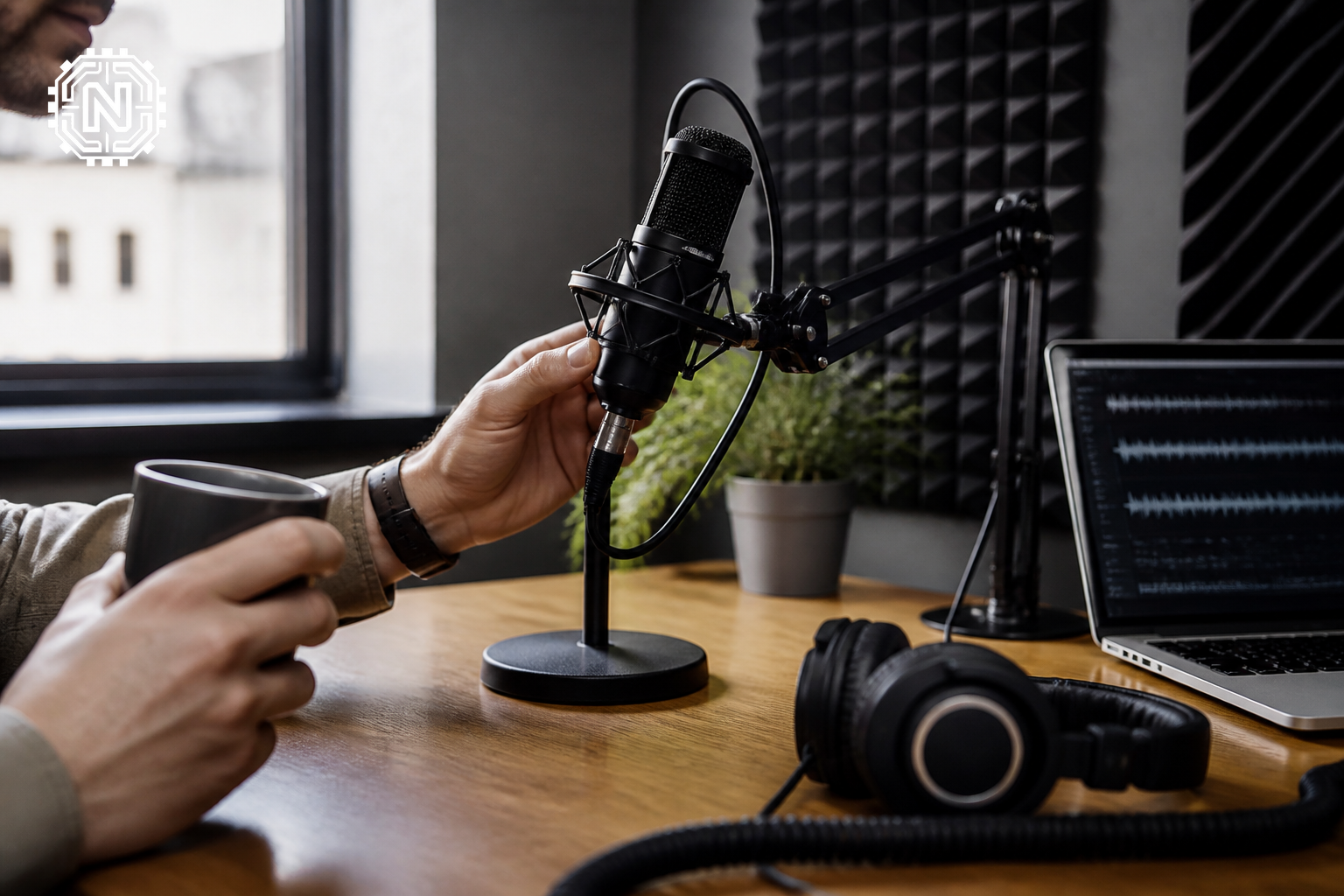
For more advanced setups, consider audio interfaces and XLR microphones. These provide better sound but require additional knowledge to use effectively. You can explore options in our product reviews for recommendations.
How to Record and Edit Your Podcast
Recording your podcast can be done using software like Audacity or GarageBand. Start with a clean, quiet space to minimize background noise. Practice your delivery to ensure a natural flow during recording.
Editing is crucial for polishing your podcast. Remove long pauses, mistakes, and irrelevant content. Use audio editing software to enhance sound quality, add music, and create a professional feel.
How to Host and Distribute Your Podcast
Choose a reliable podcast hosting platform like Libsyn or Podbean. These platforms store your episodes and distribute them to major podcast directories like Apple Podcasts and Spotify. Ensure your podcast is available on multiple platforms to reach a broader audience.
Each episode should have a catchy title and a compelling description. This helps attract listeners and improves searchability. Consider creating a website to host show notes and additional content.
Strategies for Promoting Your Podcast
Promotion is vital for growing your audience. Use social media platforms to share episodes and engage with listeners. Collaborating with other podcasters or influencers can also increase visibility.

Consider creating a mailing list to notify subscribers about new episodes. This direct communication can build a loyal listener base. Additionally, encourage listeners to leave reviews on podcast platforms to improve your rankings.
How to Measure Your Podcast's Success
Track your podcast's performance using analytics tools provided by your hosting platform. Metrics like downloads, listener demographics, and engagement can provide insights into your audience's preferences.
Use this data to refine your content strategy. Regularly solicit feedback from your audience to improve future episodes and maintain listener interest.
Conclusion
Starting a podcast involves careful planning, quality equipment, and effective promotion. By following these steps, you can successfully launch your podcast in 2026 and build a loyal audience.
Frequently Asked Questions
What equipment do I need to start a podcast?
You'll need a good microphone, headphones, and audio recording software to start a podcast.
How do I choose a podcast topic?
Select a topic you're passionate about and that has an audience interested in it.
What platform should I use to host my podcast?
Consider platforms like Libsyn, Podbean, or Anchor for reliable podcast hosting.
How long should my podcast episodes be?
Aim for 20 to 60 minutes per episode, depending on your content and audience preferences.
How do I promote my podcast?
Utilize social media, collaborate with other podcasters, and engage with your audience to promote your podcast.
Do I need to edit my podcast?
Yes, editing helps improve audio quality and removes mistakes, making your podcast more professional.
Can I monetize my podcast?
Yes, you can monetize through sponsorships, listener donations, or merchandise sales.
How often should I release podcast episodes?
Consistency is key; aim for weekly or bi-weekly episodes to keep your audience engaged. For more on How-To, explore Newtechzy. You can also review our Privacy Policy and Cookie Policy, or learn more About us.
Related Topics
Ready to start your podcast? Explore more tips and resources on our website to help you along the way.
Start Your Journey Today!


